Roast chicken is a timeless classic that never fails to impress with its simplicity and succulence. From its origins in traditional home cooking to gracing the tables of fine dining establishments, this dish holds a special place in the hearts of chefs and food enthusiasts alike. The art of roasting a whole chicken to perfection involves a delicate balance of technique, timing, and seasoning. This easy roast chicken recipe walks you through the simple techniques needed to achieve juicy meat and crispy, golden skin. In this step-by-step guide, I will walk you through how to make a classic roast chicken that’s juicy on the inside, with crispy, golden skin that crackles with each bite.
If you’re a fan of quick chicken dinners, you may also enjoy options like easy chicken stir-fry for busy weeknights.
Origin and History
Roast chicken has a rich history that dates back centuries, with roots in various culinary traditions around the world. In European cuisine, roast chicken has been a staple dish for celebratory feasts and family gatherings. It symbolizes warmth, comfort, and togetherness. The French are famous for their “Poulet rôti,” where the bird is often roasted with herbs, garlic, and butter to create a luxurious and flavorful dish. In American cuisine, roast chicken is a beloved Sunday dinner tradition, often served alongside comforting sides such as creamy mashed potatoes to bring families together around the dining table.
Ingredients and Flavors
The beauty of roast chicken lies in its simplicity, allowing the natural flavors of the bird to shine through. For the best flavor and texture, choose a whole chicken, preferably organic or free-range. This simple roast chicken recipe uses butter, olive oil, salt, black pepper, and lemon to create a flavorful, juicy result. Optional herbs such as rosemary and thyme can add extra aroma and flavor while helping create a deliciously seasoned bird with crispy skin and tender meat.
This comforting flavor profile also makes dishes like creamy garlic chicken irresistible for special occasions.
Cooking Techniques
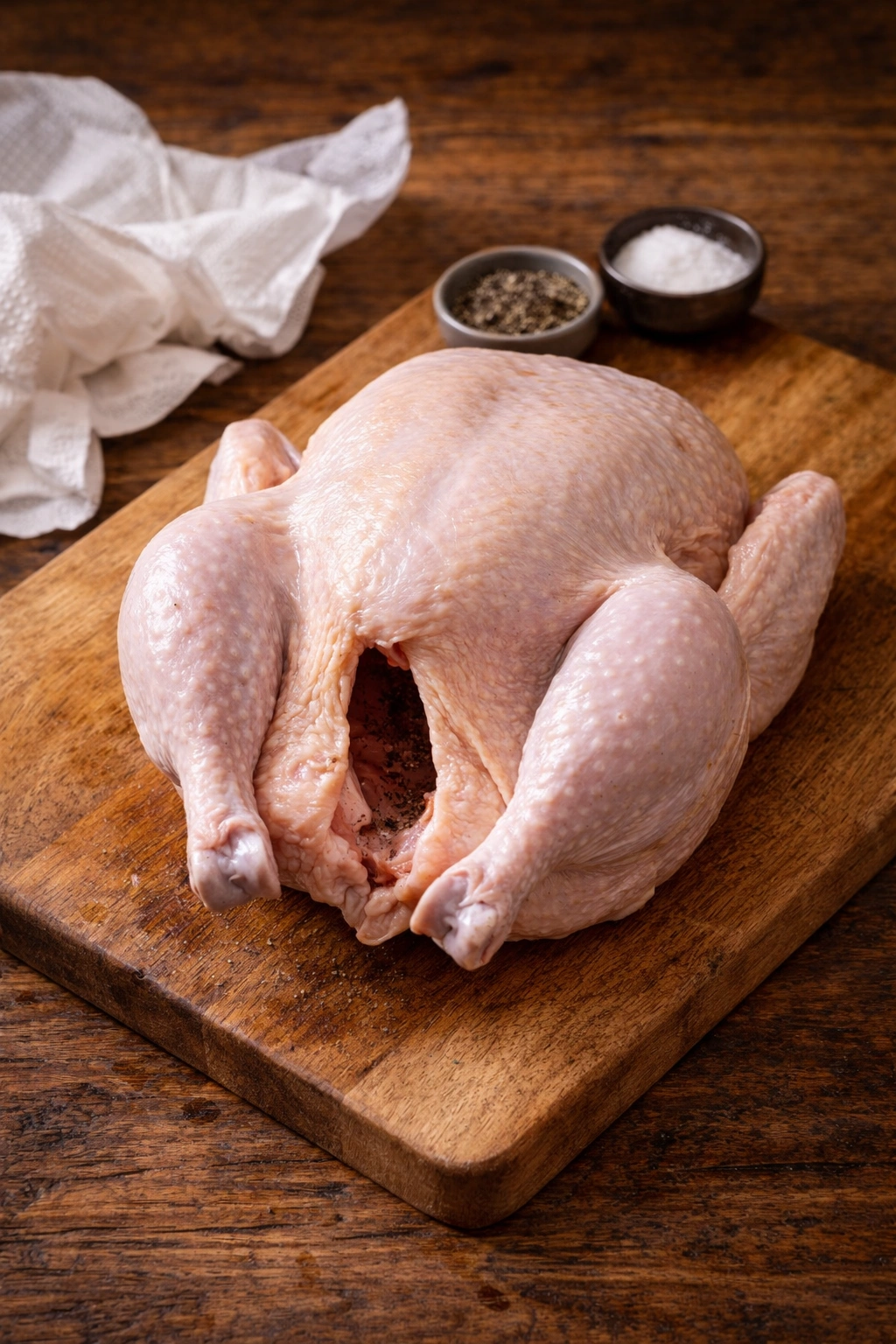
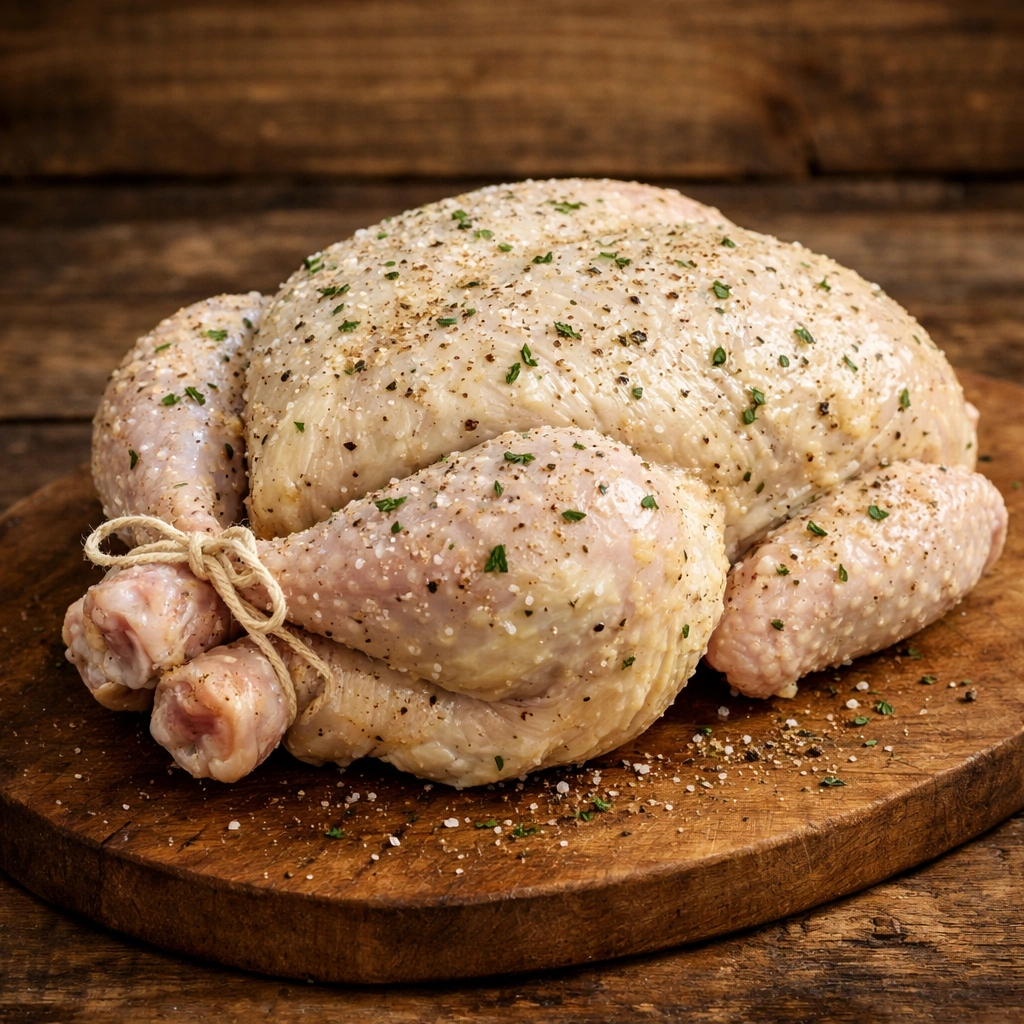
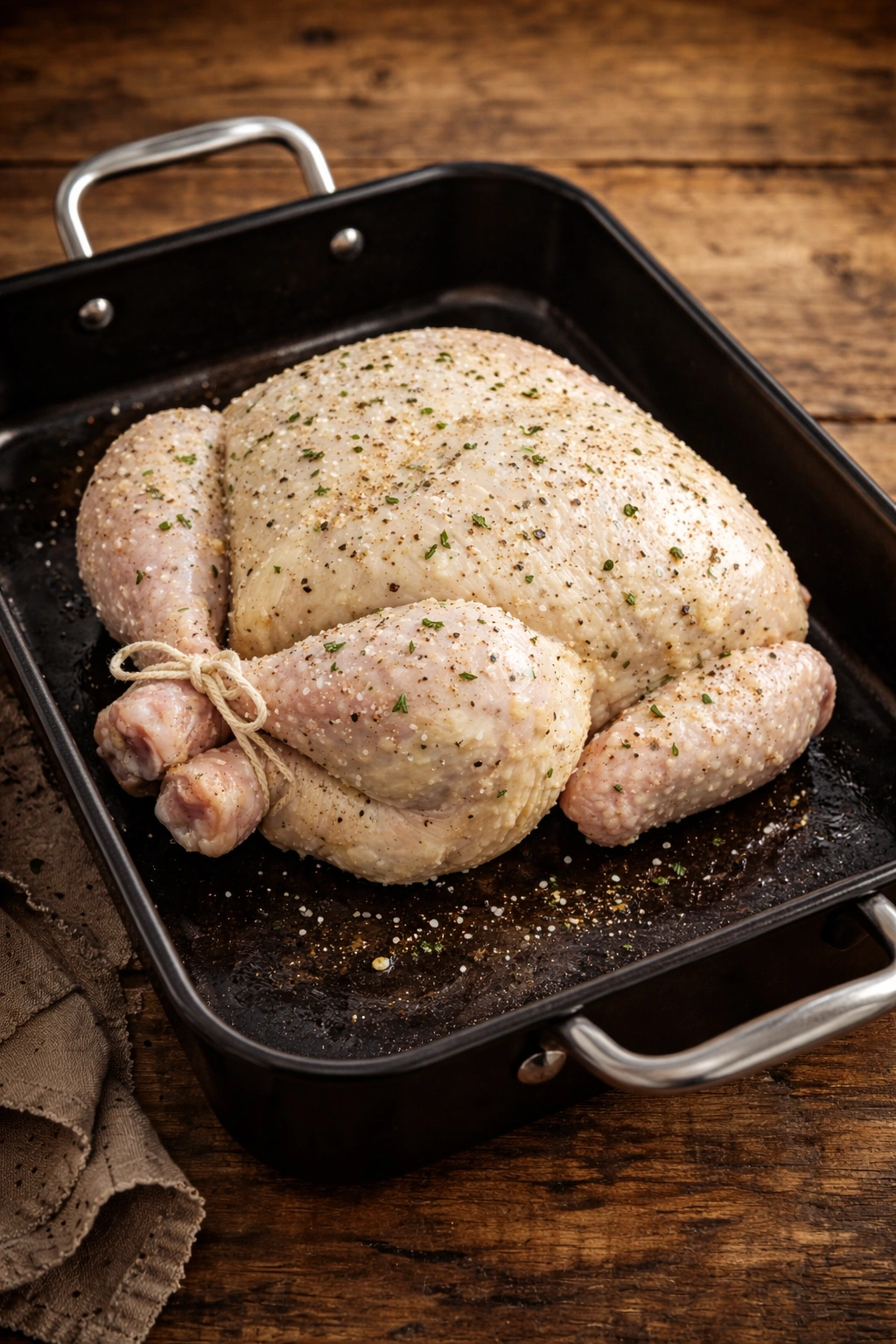
Preparing a whole roast chicken recipe is all about proper seasoning, trussing, and controlling the oven temperature. Achieving the perfect roast chicken requires attention to detail and a few key techniques. Preparing the chicken involves cleaning and patting it dry to ensure even cooking and crispy skin. Trussing the chicken, or tying the legs together with kitchen twine, helps the bird cook evenly and retain its shape. Roasting the chicken at a high temperature initially helps to crisp up the skin, while lowering the temperature allows the meat to cook through gently without drying out. Basting the chicken with its juices or a flavorful basting liquid during cooking adds moisture and depth of flavor to the dish. These classic roasting methods pair beautifully with hearty mains like classic beef meatloaf for a comforting, homestyle meal.
Serving Suggestions and Storage Tips
Serve this roast chicken with creamy mashed potatoes, roasted vegetables, or a fresh salad for a comforting and complete meal. For leftovers, store the chicken in an airtight container in the refrigerator for 3–4 days. You can use the leftover meat in sandwiches, salads, soups, or wraps for quick and delicious meals throughout the week.
Conclusion
In conclusion, mastering the art of making a classic roast chicken is a rewarding journey that yields a delicious and impressive dish. Whether you’re preparing a Sunday dinner or a special family meal, this classic roast chicken recipe delivers juicy meat and beautifully crisp skin. So, roll up your sleeves, preheat that oven, and get ready to savor the aromas and flavors of a beautifully roasted bird. Your culinary adventure awaits—let’s roast! Serve your perfectly roasted chicken with a cozy appetizer like [cheesy beer fondue dip] for a memorable meal.


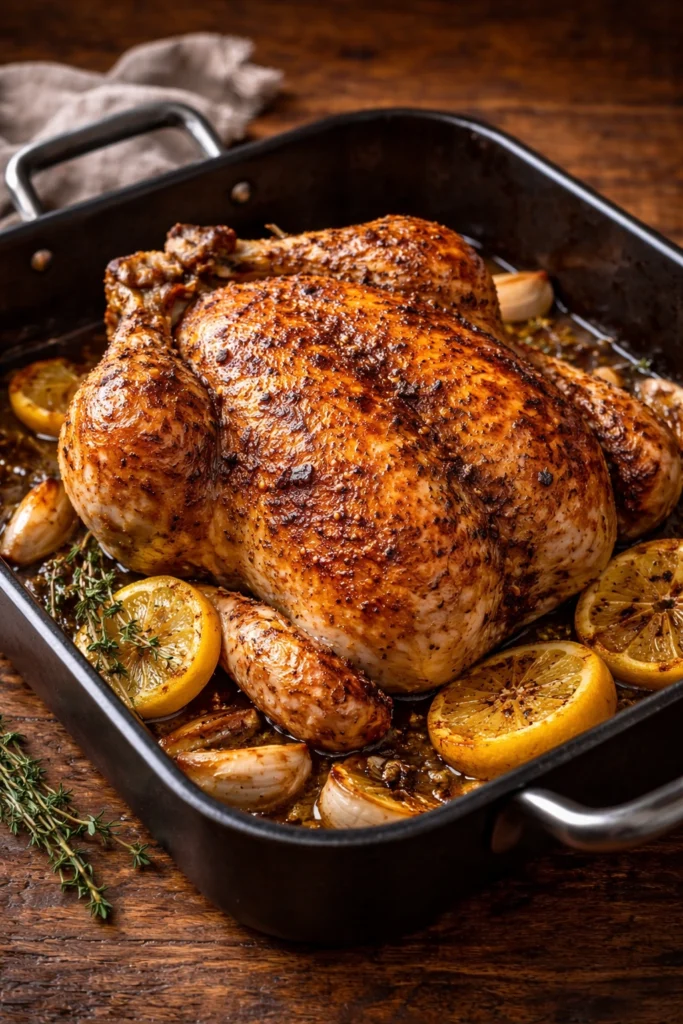
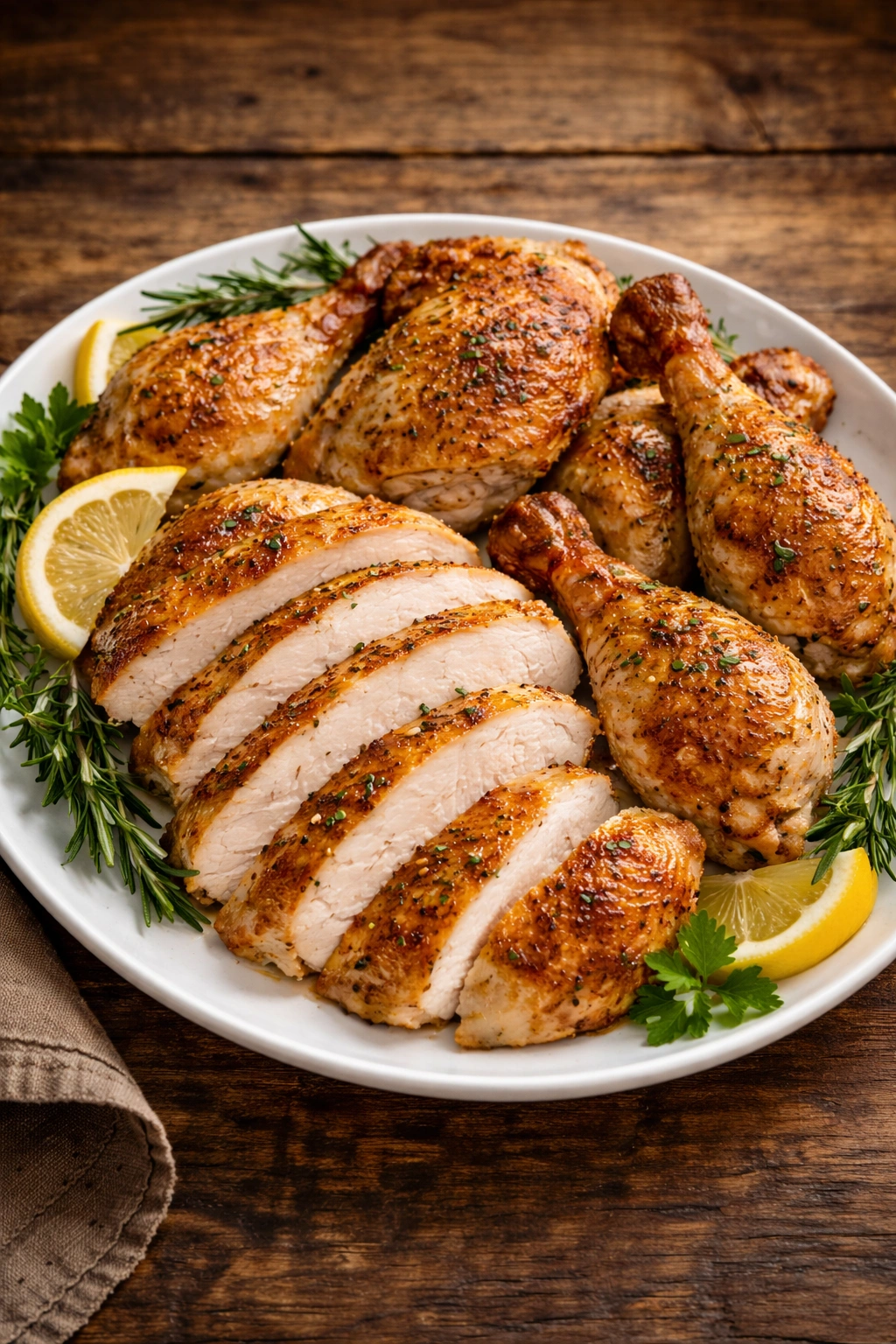 Remove the chicken from the oven and let it rest for 10-15 minutes before carving. Cut into pieces and serve with your favorite sides.