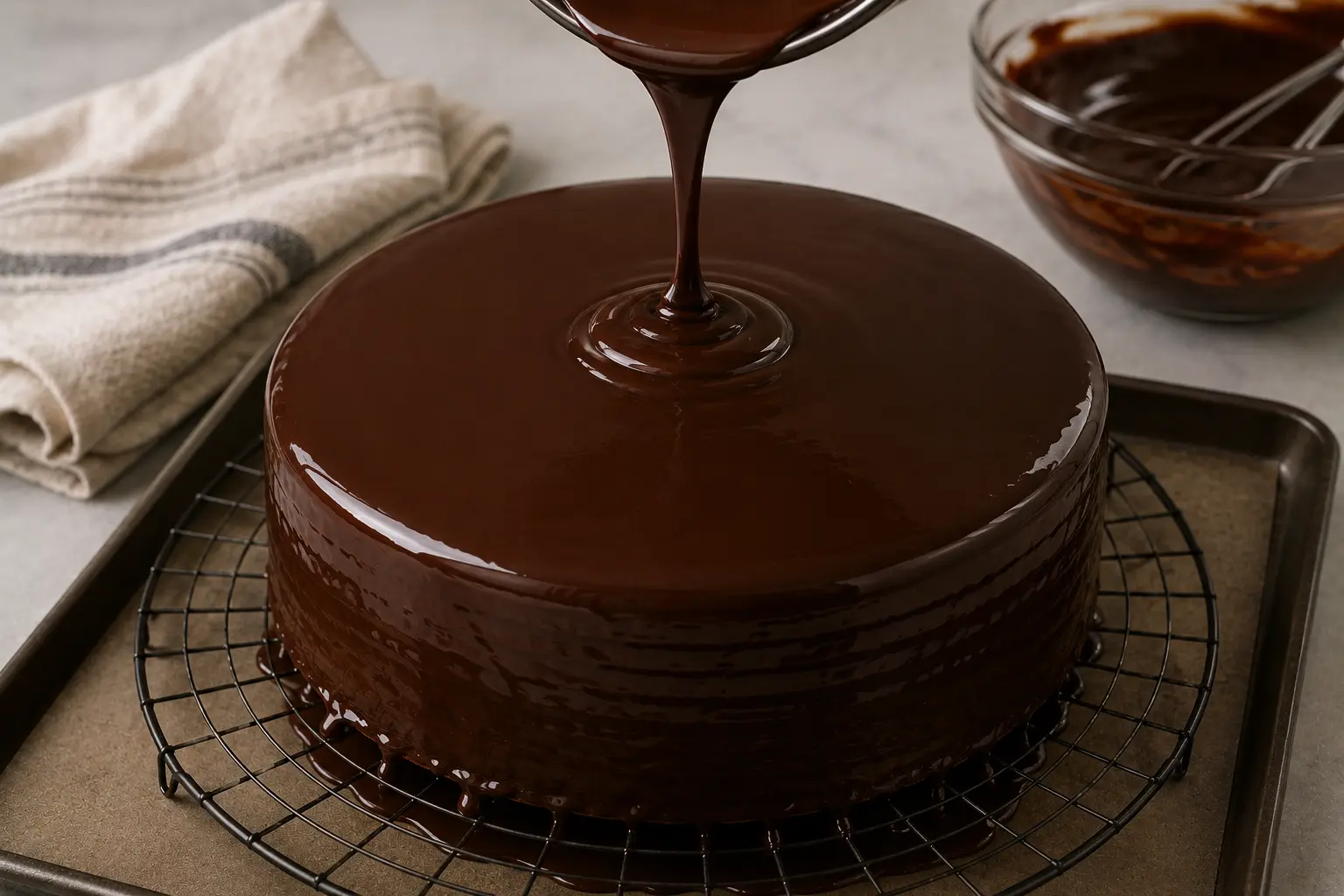
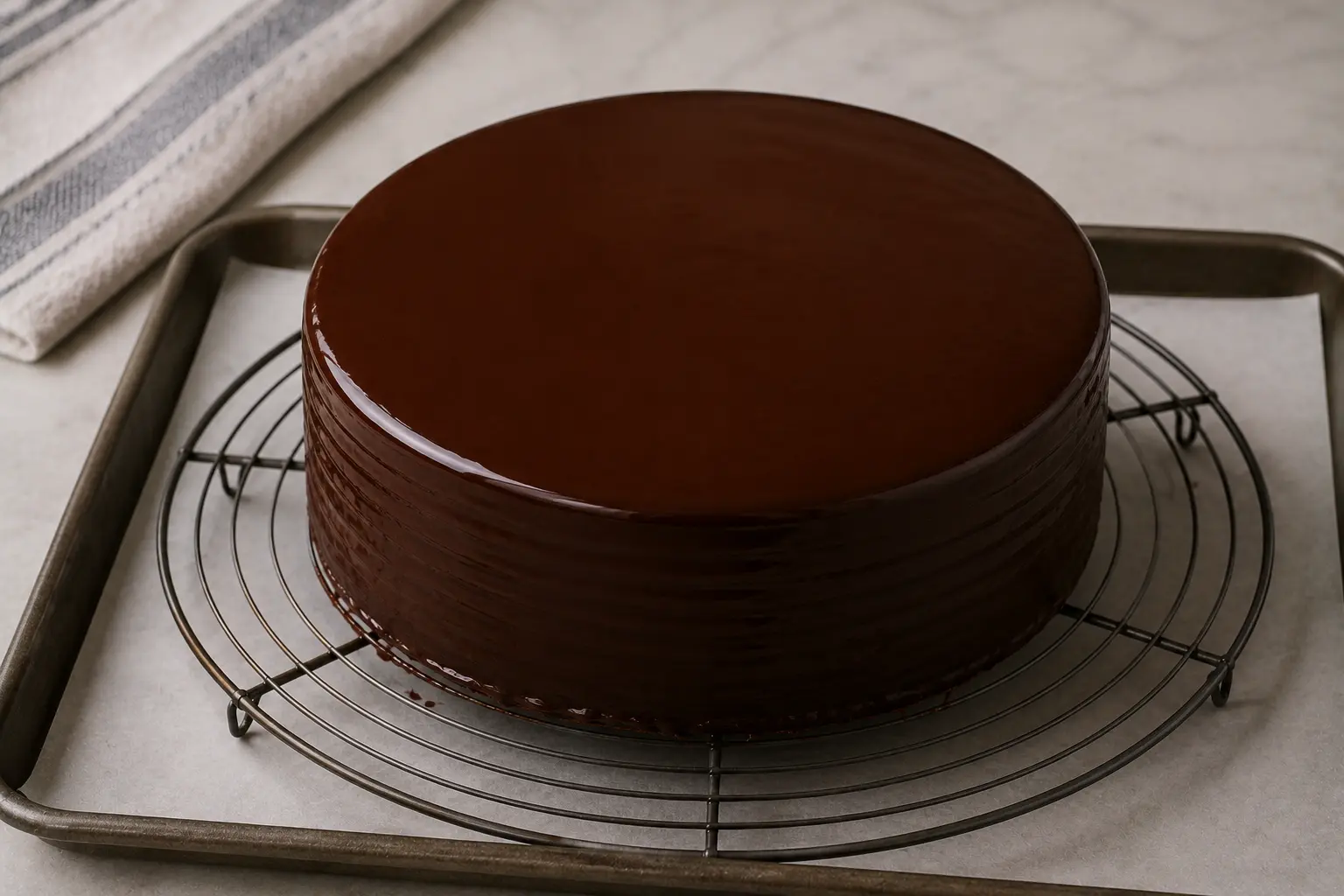
Have you ever marveled at the beautiful, concentric rings of a Baumkuchen cake in a high-end bakery? Often called the “king of cakes” in Germany, this spectacular layered dessert might seem impossible to create in a home kitchen. However, with some patience and the right technique, you can absolutely make this European delicacy yourself! In this guide, I’ll walk you through an authentic Baumkuchen recipe that will impress your family and friends.
If you enjoy impressive homemade desserts, you'll also love this Pumpkin Pecan Cheesecake Bars Recipe, another show-stopping treat perfect for special occasions.
What is Baumkuchen Cake?
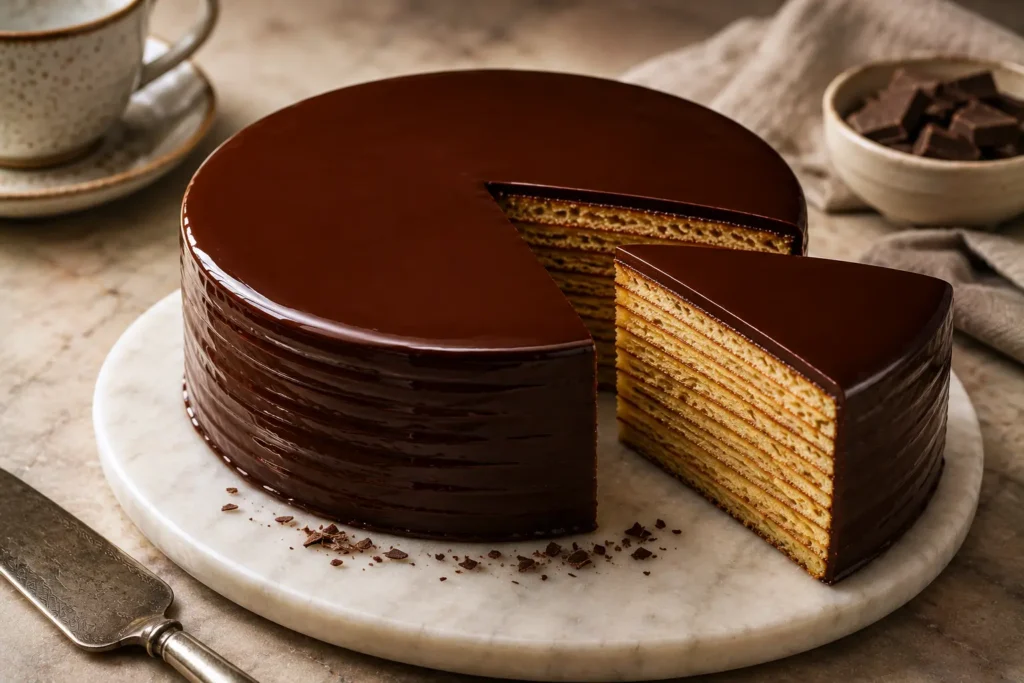
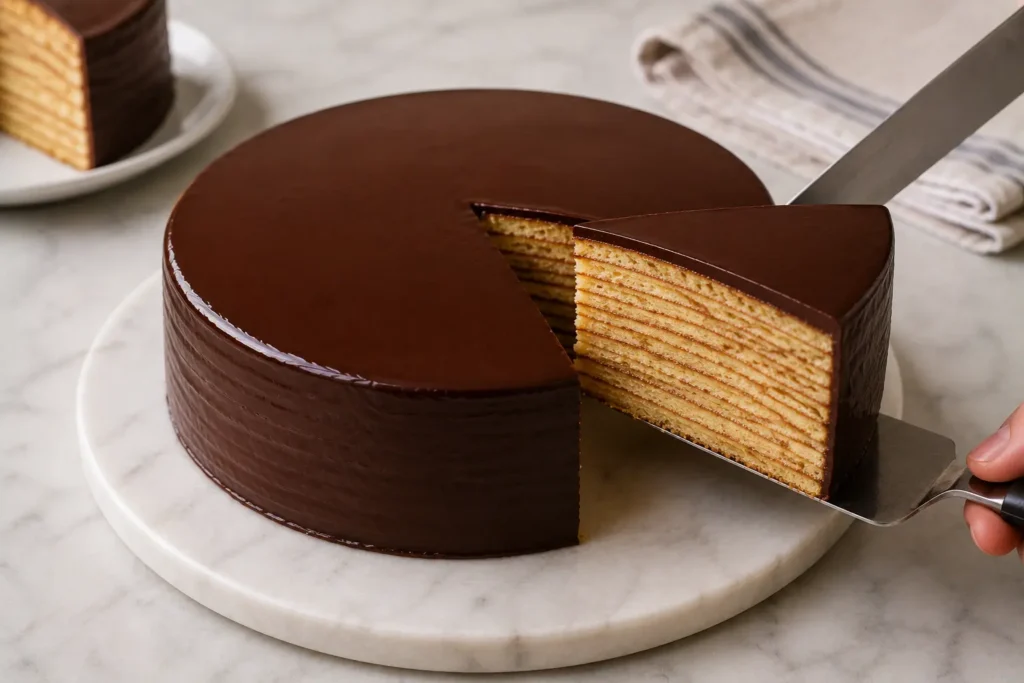
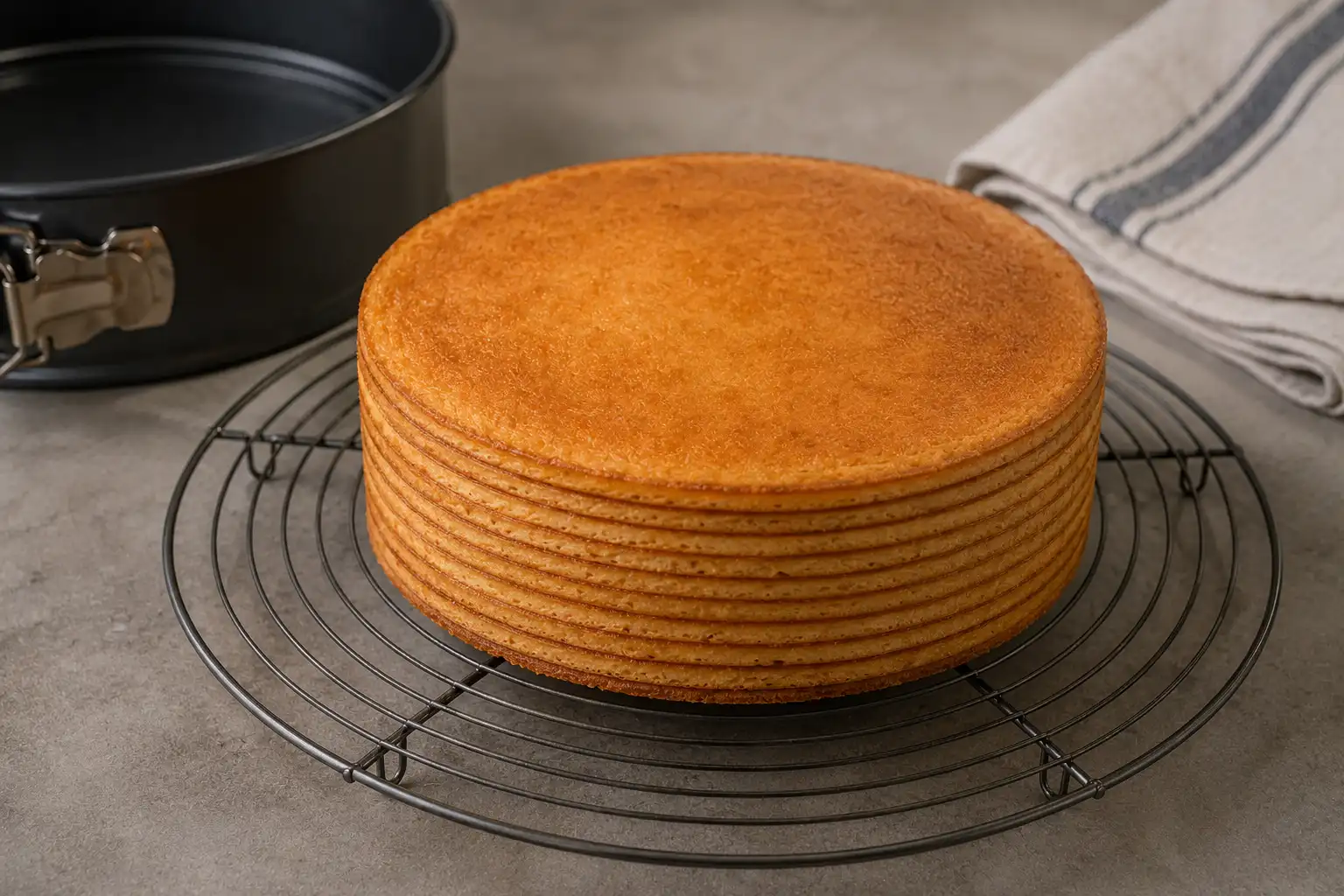
Baumkuchen cake, which literally translates to "tree cake" in German, gets its name from the rings that resemble tree growth rings when sliced. Traditionally, bakers create this cake by brushing thin layers of batter onto a rotating spit in front of an open flame. As a result, each layer bakes individually before the next one is added.
While professional pastry chefs use specialized equipment, we'll adapt this technique for home ovens while maintaining the authentic taste and distinctive appearance of a true Baumkuchen cake.
The History Behind Baumkuchen
Before starting the recipe, it is fascinating to learn about the rich history of this unique dessert. Although this Baumkuchen recipe originated in Germany, it quickly spread across Europe and later to Japan, where it remains immensely popular to this day.
The cake's history dates back to at least the 18th century. Interestingly, German bakers considered it a demonstration of their highest skills because the creation process requires extreme precision and attention to detail.
Likewise, classic fruit-based desserts such as this Best Ever Apple Crumble Pie Recipe have remained beloved for generations thanks to their timeless appeal and rich baking traditions.
Essential Ingredients for Authentic Baumkuchen
To make a truly authentic Baumkuchen cake, you'll need these key ingredients:
High-quality unsalted butter
Fresh eggs (separated)
Granulated sugar
All-purpose flour
Cornstarch
Pure vanilla extract
Almond extract
Lemon zest
A pinch of salt
The quality of your ingredients will significantly impact the final taste, so use the freshest ingredients possible. Furthermore, make sure all refrigerated items reach room temperature before you begin.
Though we're adapting for home baking, you'll still need some specific equipment:
A broiler or oven with broiler setting
Several mixing bowls
Electric mixer (stand mixer preferred)
9-inch springform pan
Offset spatula
Kitchen timer
Pastry brush
Step-by-Step Baumkuchen Preparation
Step 1: Prepare Your Ingredients and Equipment
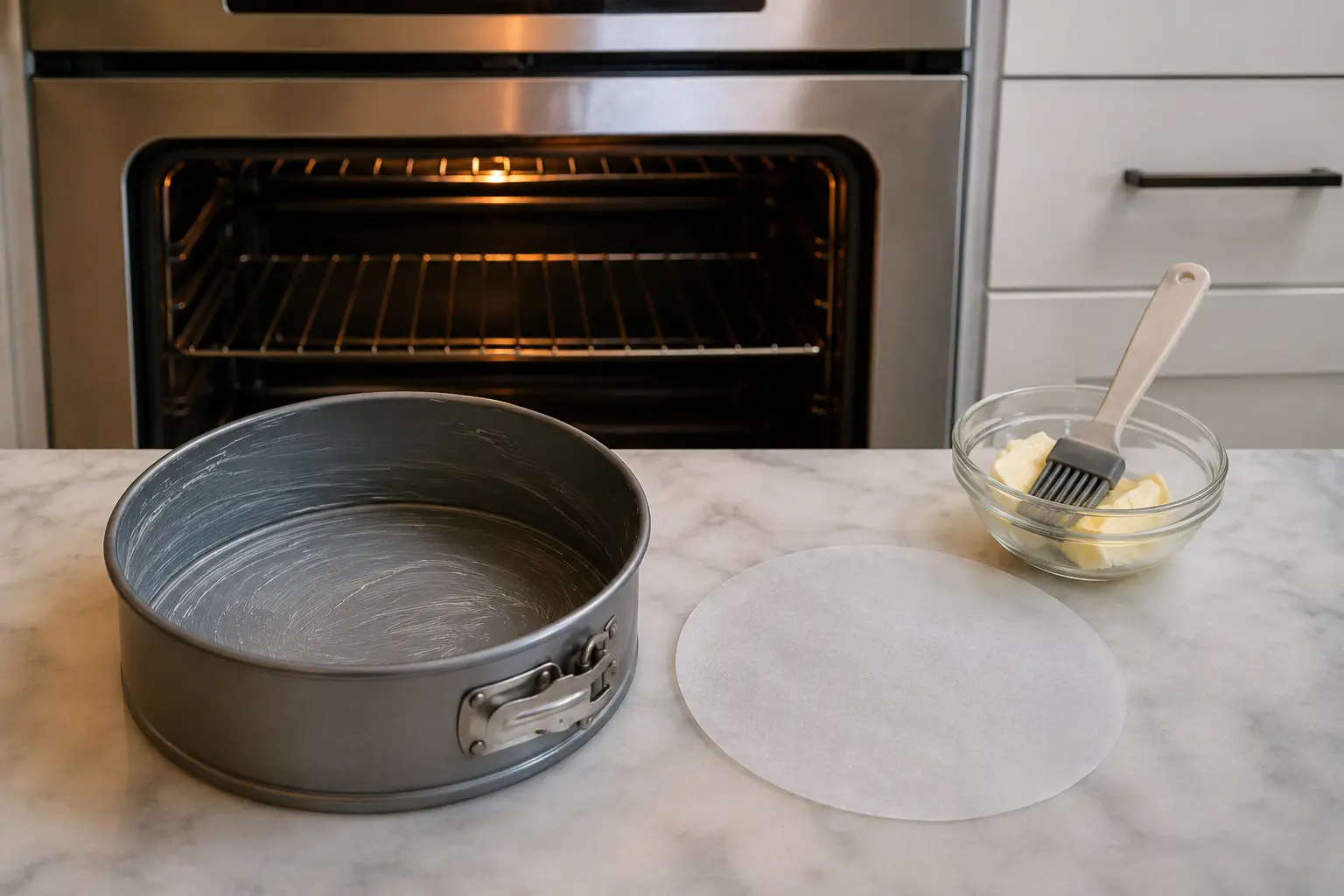
First of all, preheat your broiler. Then, thoroughly butter your springform pan and line the bottom with parchment paper. Additionally, position an oven rack approximately 6 inches from the heating element.
Step 2: Create the Batter
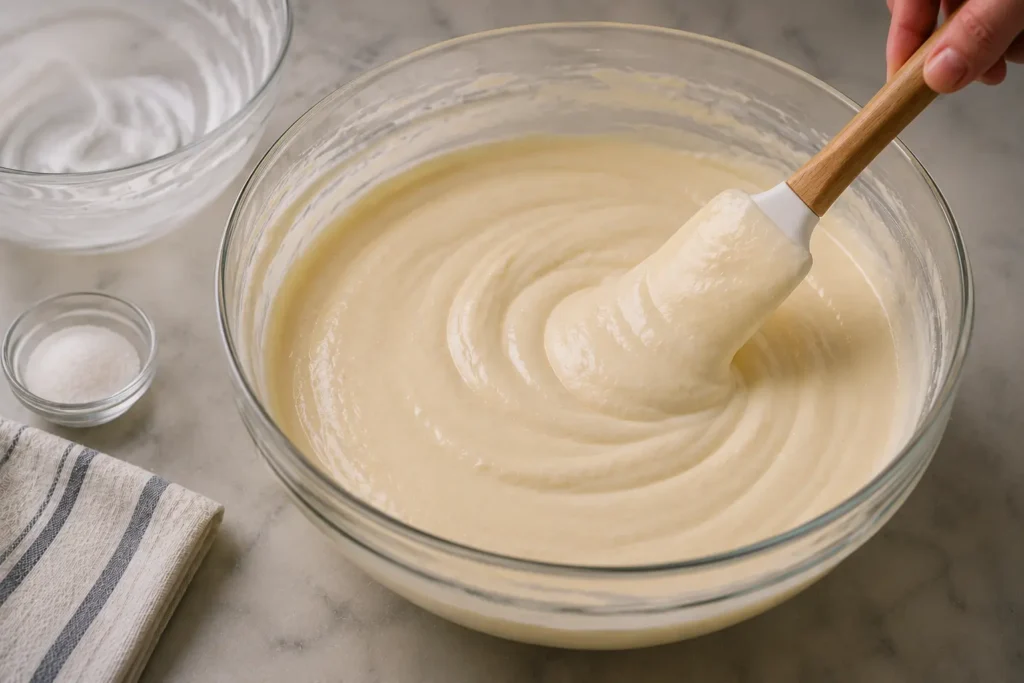
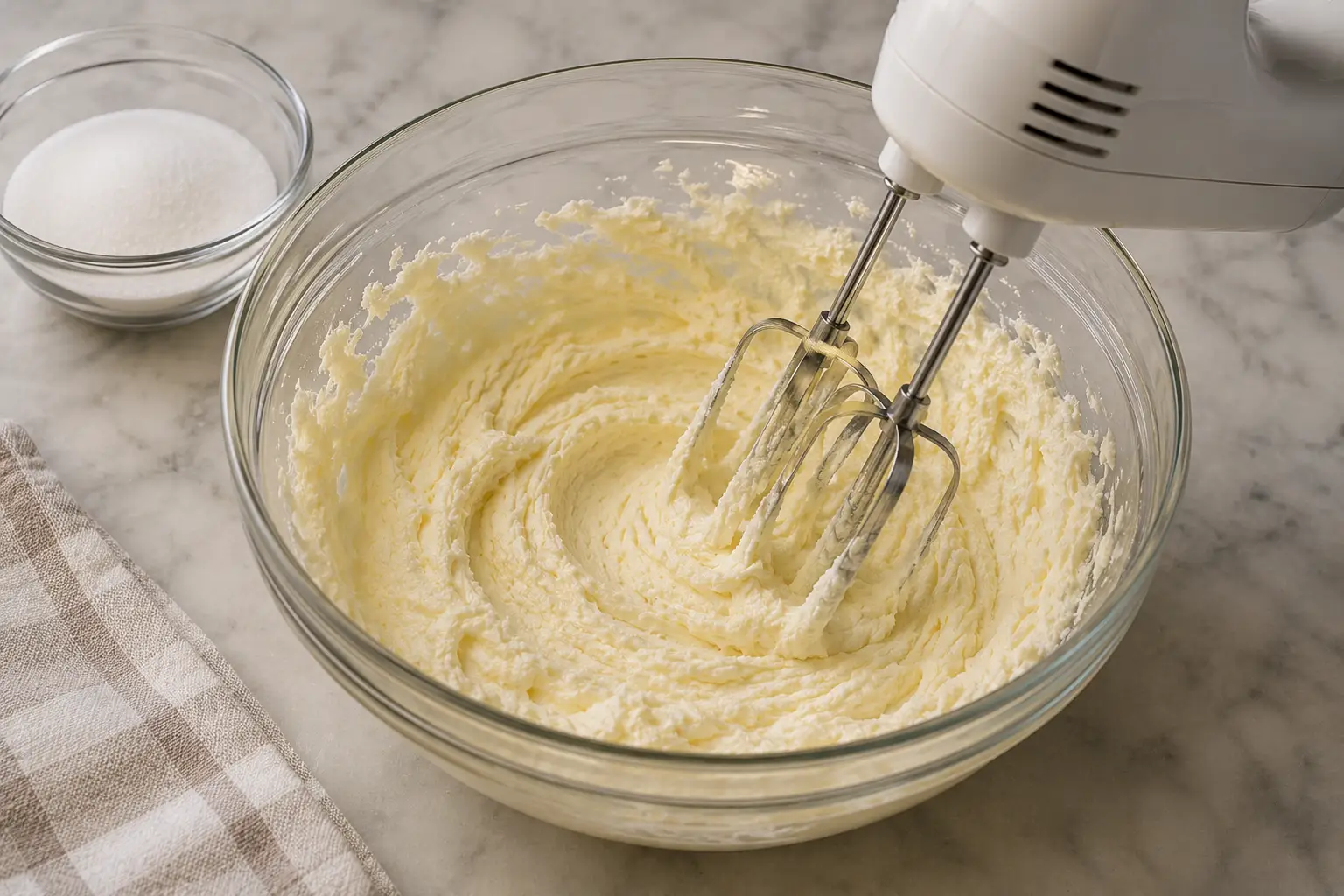
In a large bowl, cream together 1 cup of softened butter and 1 cup of sugar until light and fluffy.
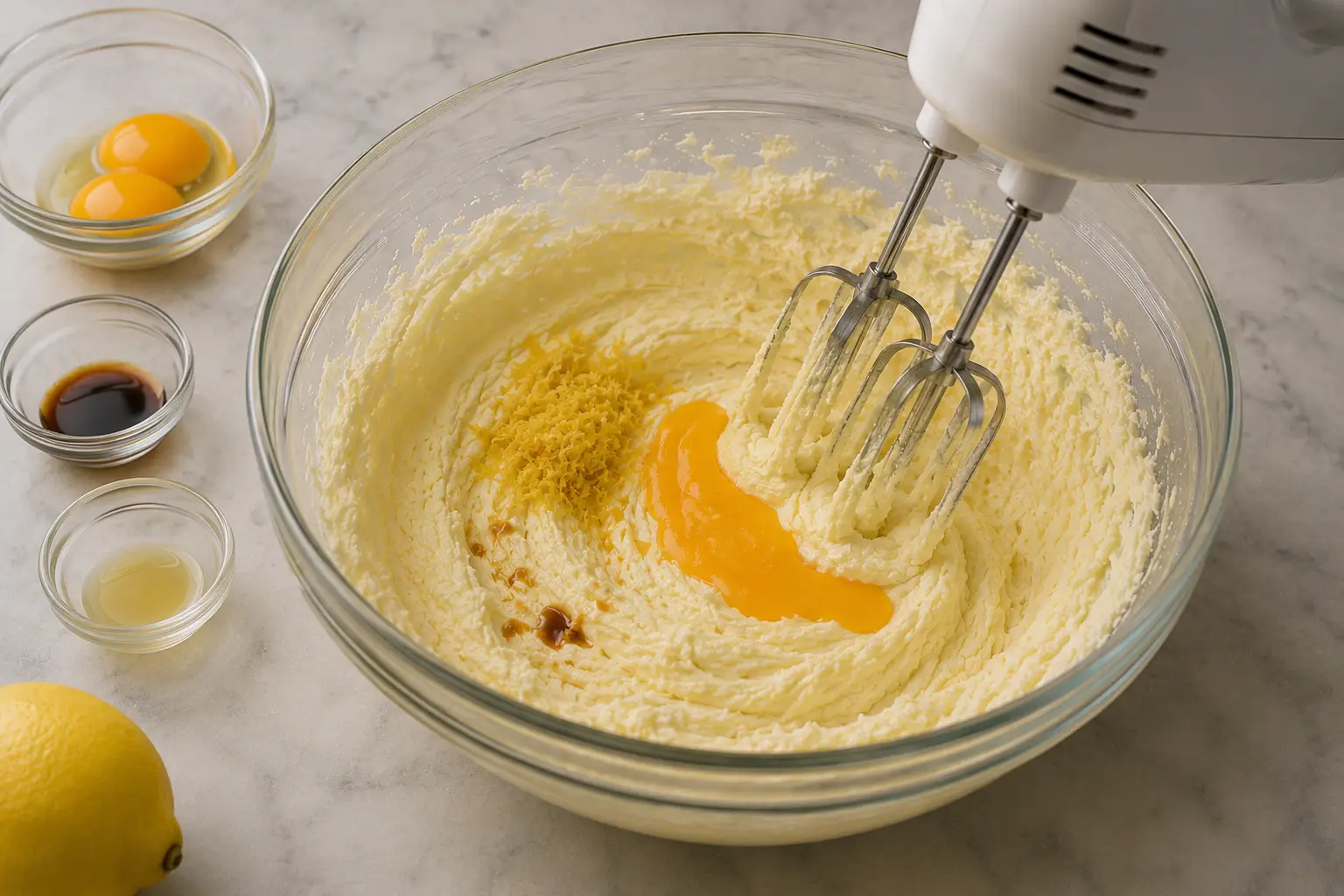
Separate 8 eggs. Subsequently, beat the yolks and gradually add them to the butter mixture.
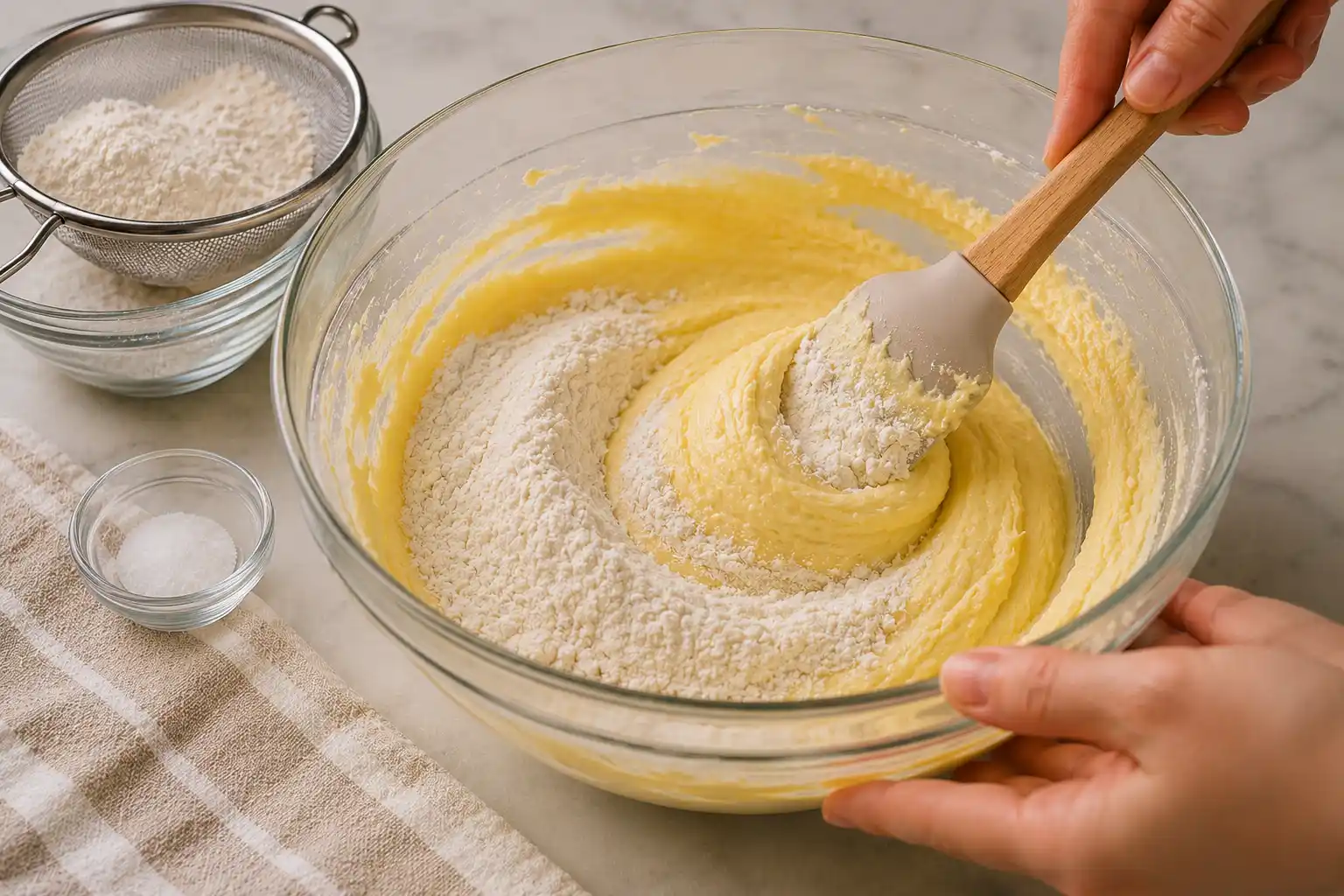
Next, sift together 1 cup of flour, 2 tablespoons of cornstarch, and a pinch of salt.
Gently fold the dry ingredients into the butter mixture.
Add 1 teaspoon vanilla extract, ½ teaspoon almond extract, and the zest of one lemon.
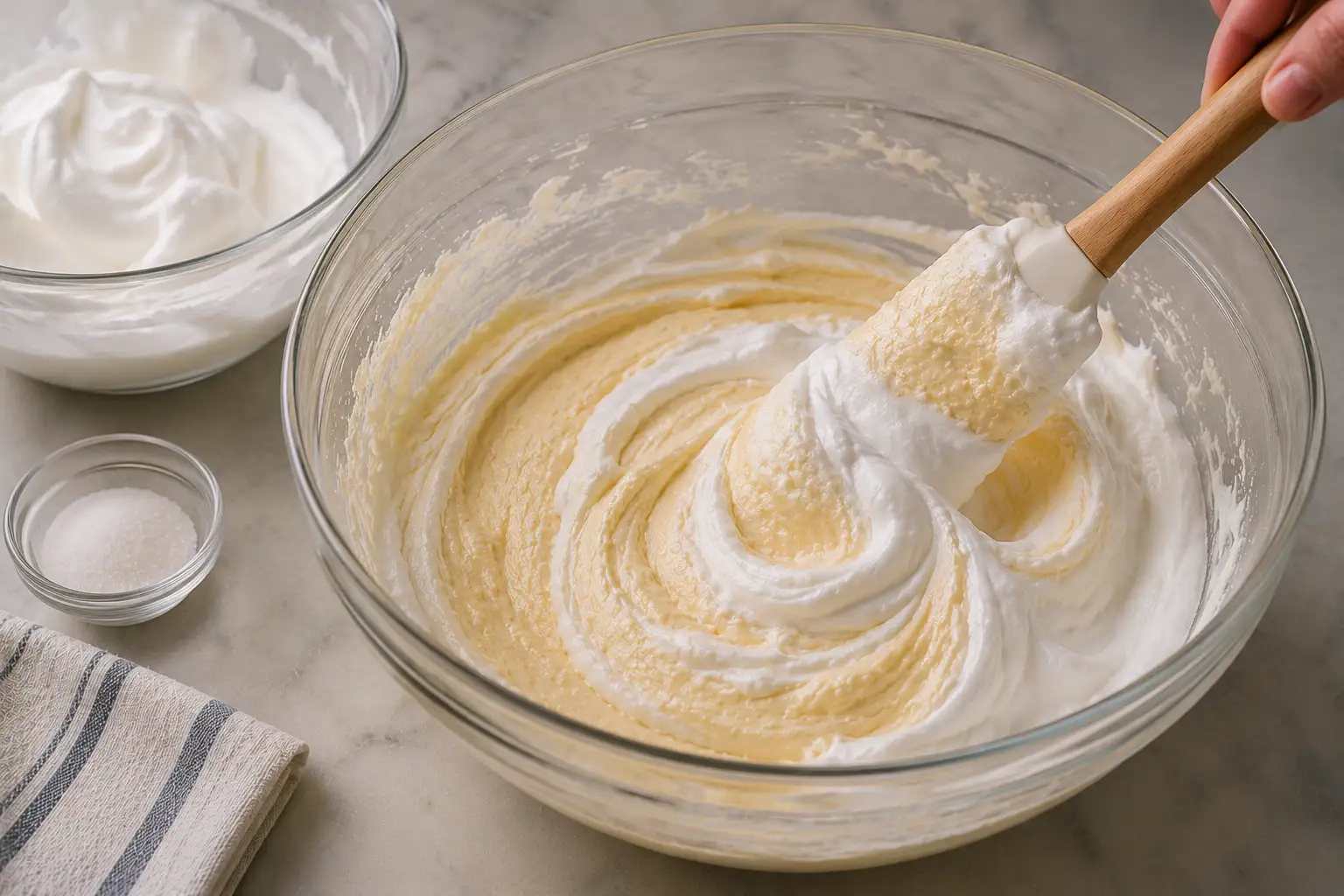
In a separate bowl, beat the egg whites until soft peaks form. Then, gradually add ¼ cup sugar and beat until stiff peaks form.
Finally, carefully fold the egg whites into the batter.
Step 3: Layer and Bake the Cake
This is where the magic happens! The distinctive Baumkuchen cake layers come to life through this process:
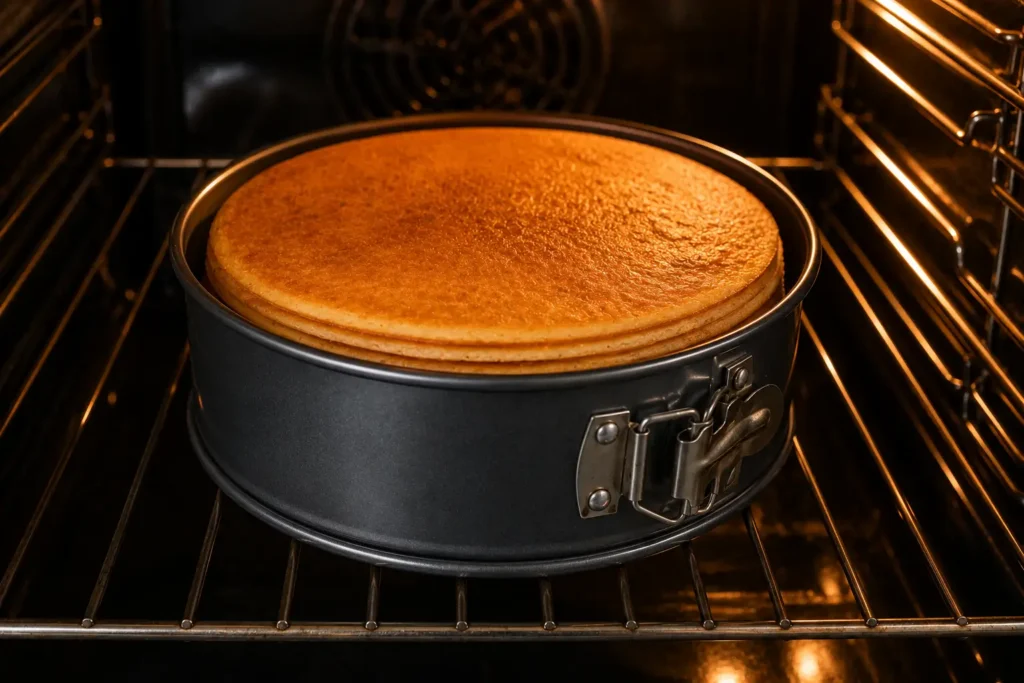
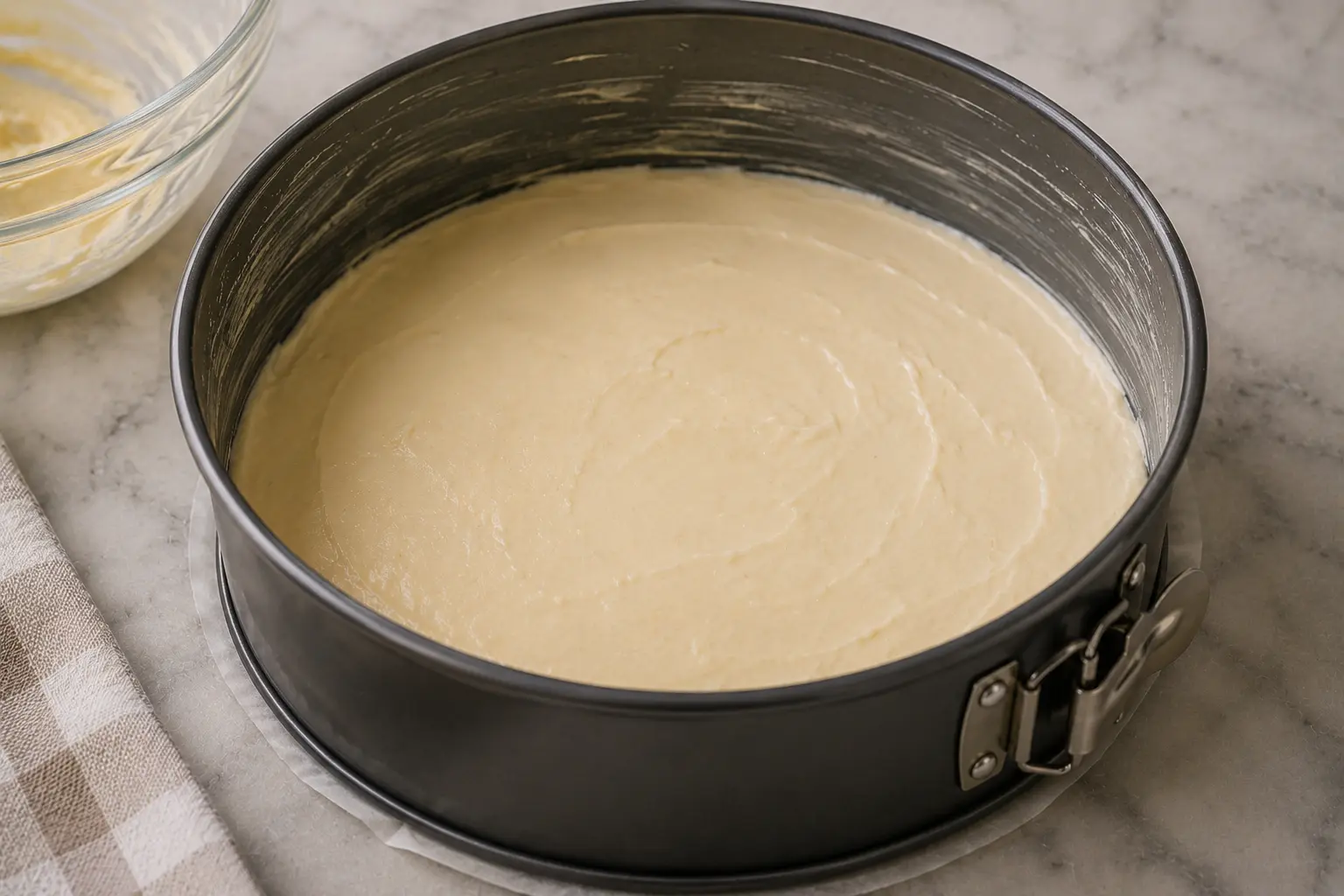
Spread a thin layer (about 3-4 tablespoons) of batter on the bottom of your prepared pan.
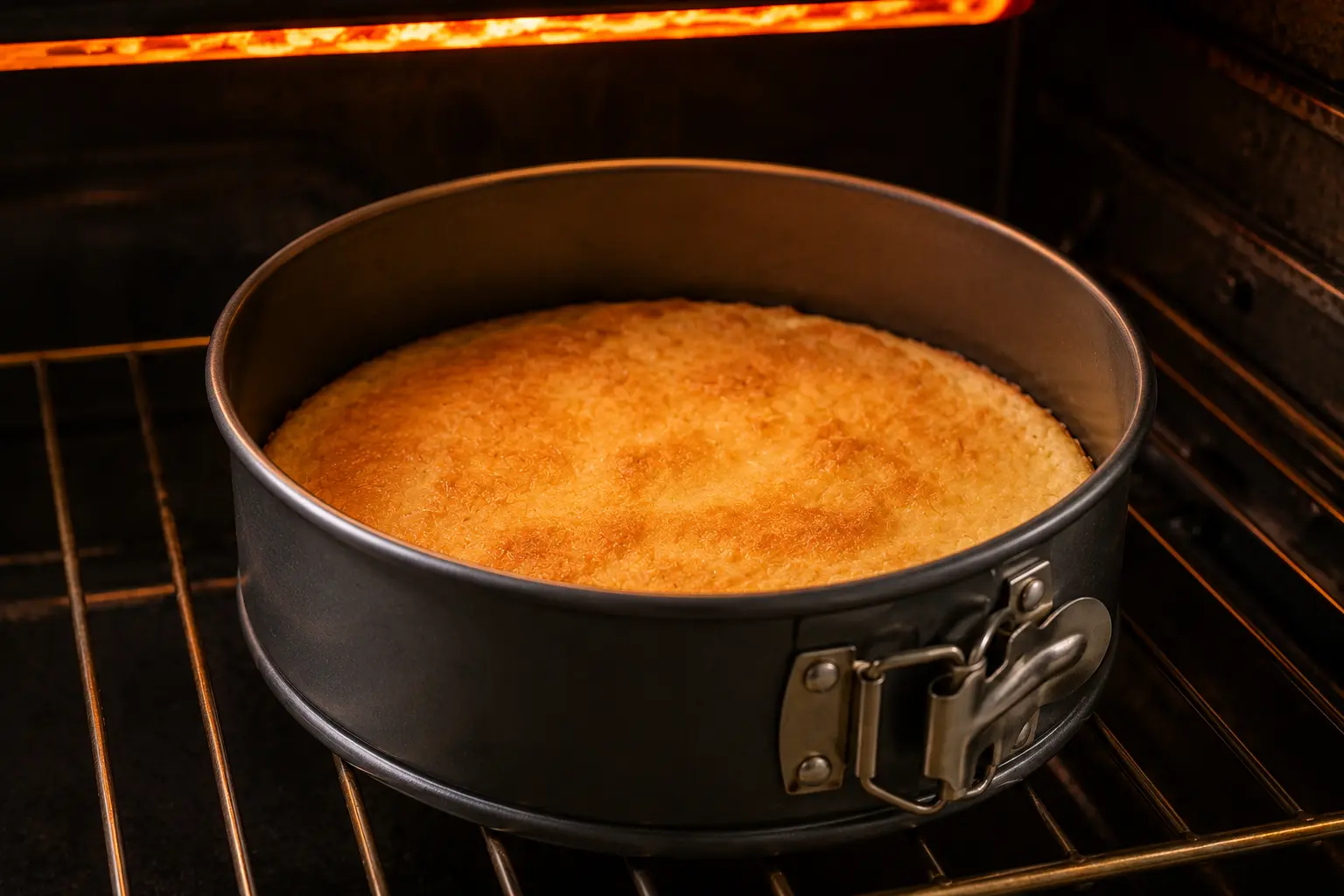
Place under the broiler for 1-2 minutes until golden brown. Watch carefully as it can burn quickly!
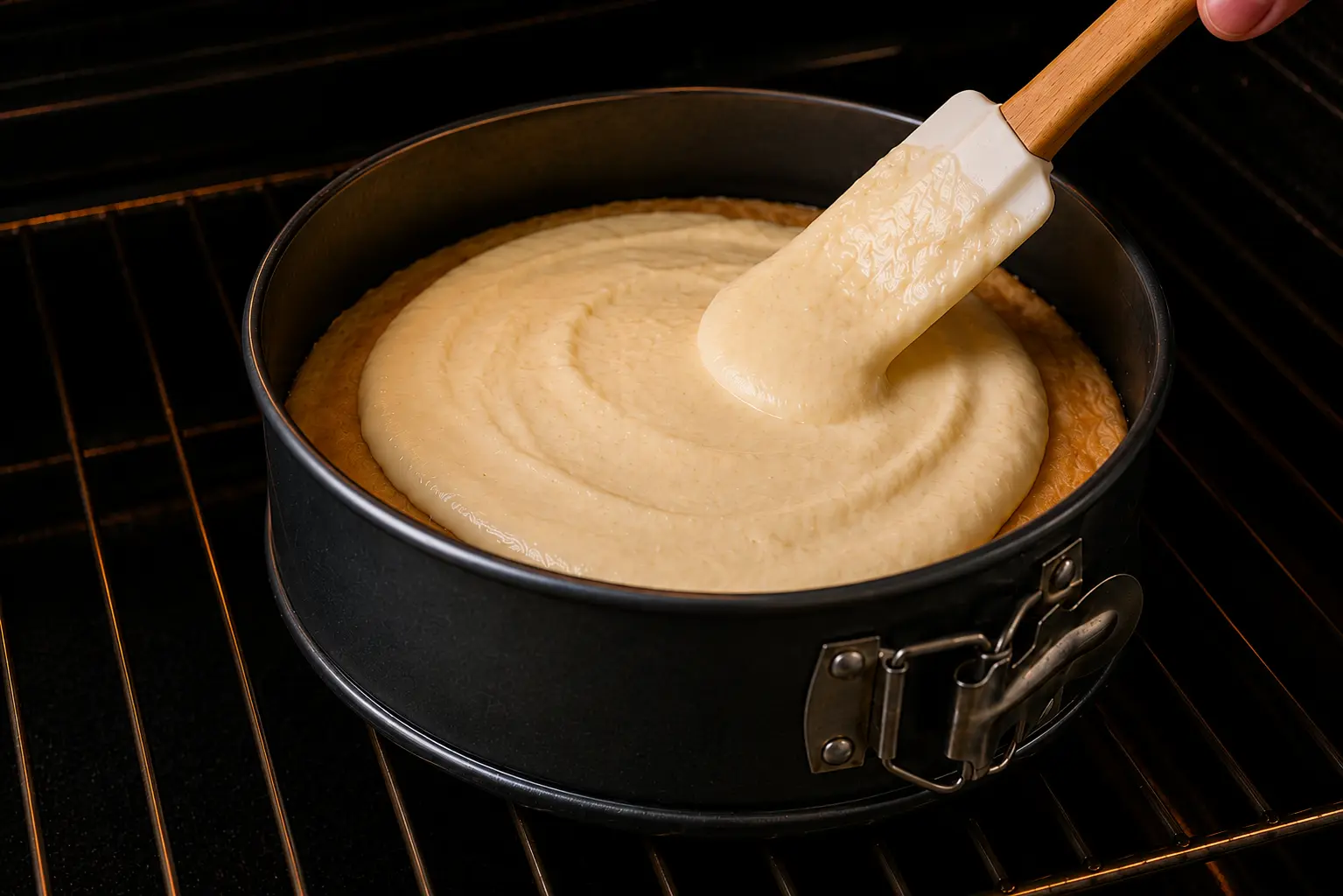
Remove from broiler, add another thin layer of batter, and return to broiler.
Repeat this process until you've used all your batter (typically 15-20 layers).
As you build the layers, you'll start to see the characteristic rings forming. Without a doubt, this is the most satisfying part of making Baumkuchen cake!
Step 4: Final Baking and Cooling
After your final layer is broiled, transfer the cake to the center rack of your oven. Subsequently, bake at 350°F (175°C) for about 15-20 minutes to ensure it's cooked through completely.
Allow the cake to cool in the pan for 10 minutes. Then, run a knife around the edge and release from the springform. Cool completely on a wire rack before glazing.
Traditional Apricot Glaze
To finish your German Baumkuchen cake:
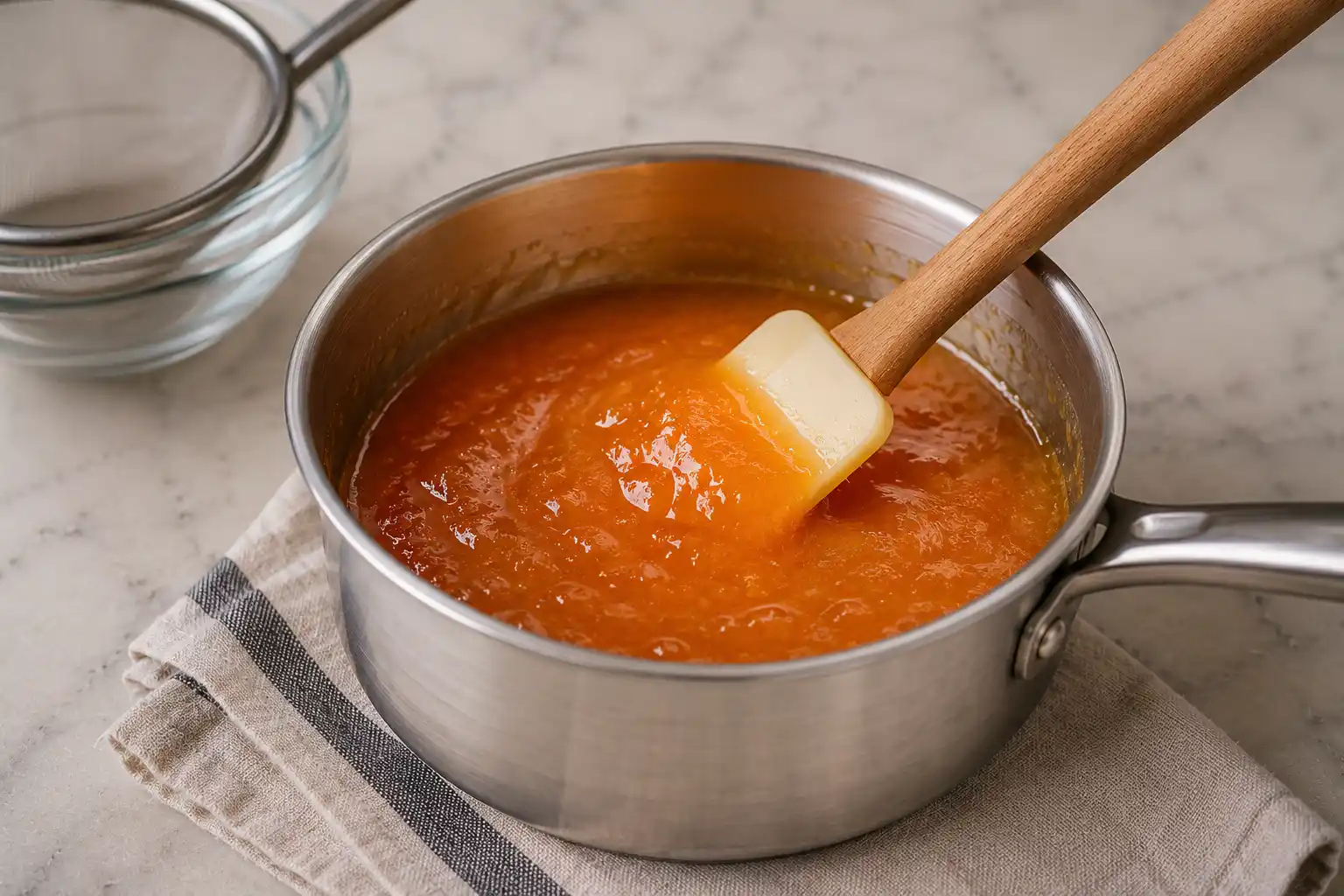
Heat ½ cup apricot jam with 1 tablespoon water until smooth.
Strain to remove any fruit pieces.
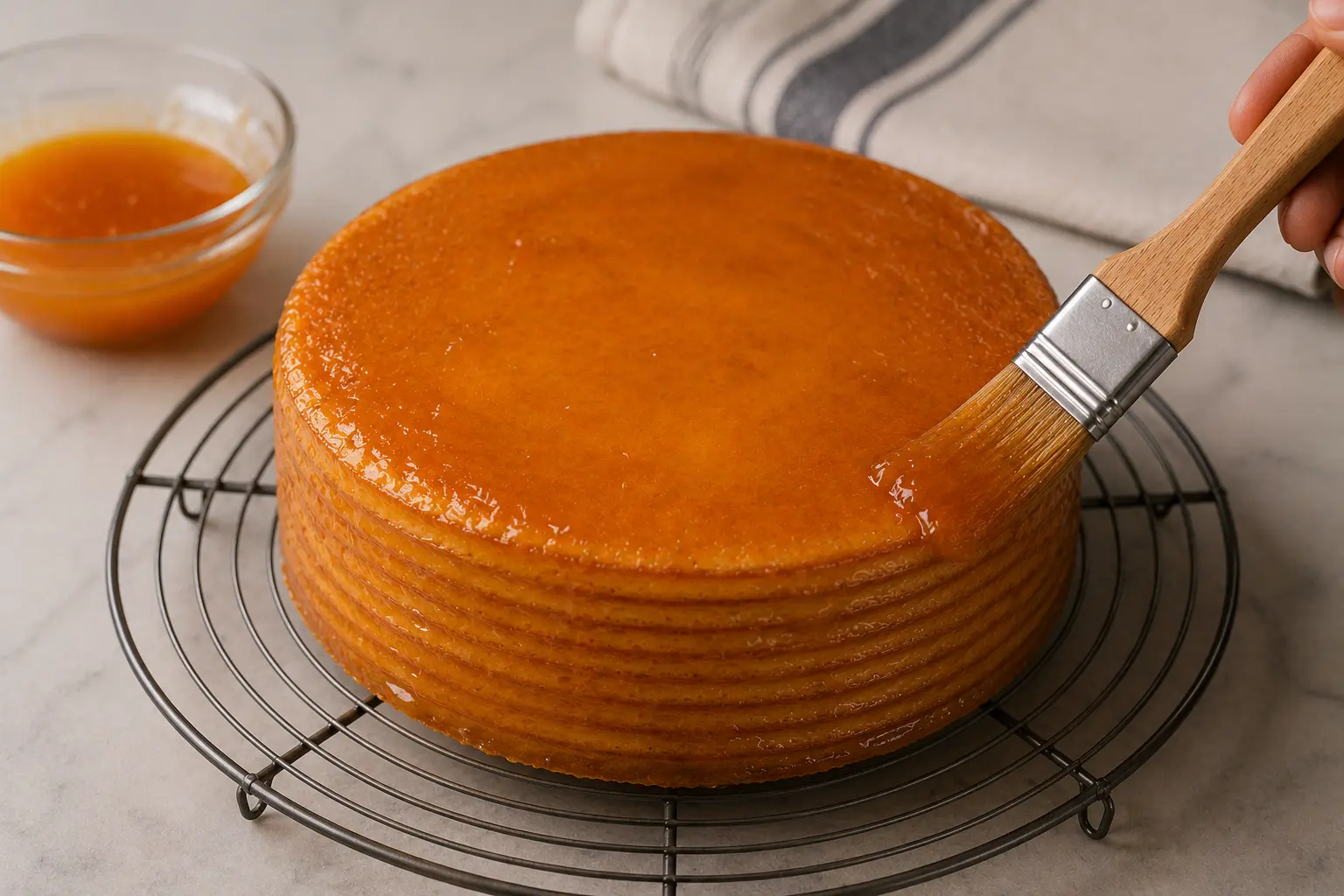
Brush the warm glaze over the entire cake.
Let it set before adding the chocolate coating.
The Classic Chocolate Coating
No Baumkuchen cake is complete without its signature chocolate coating:
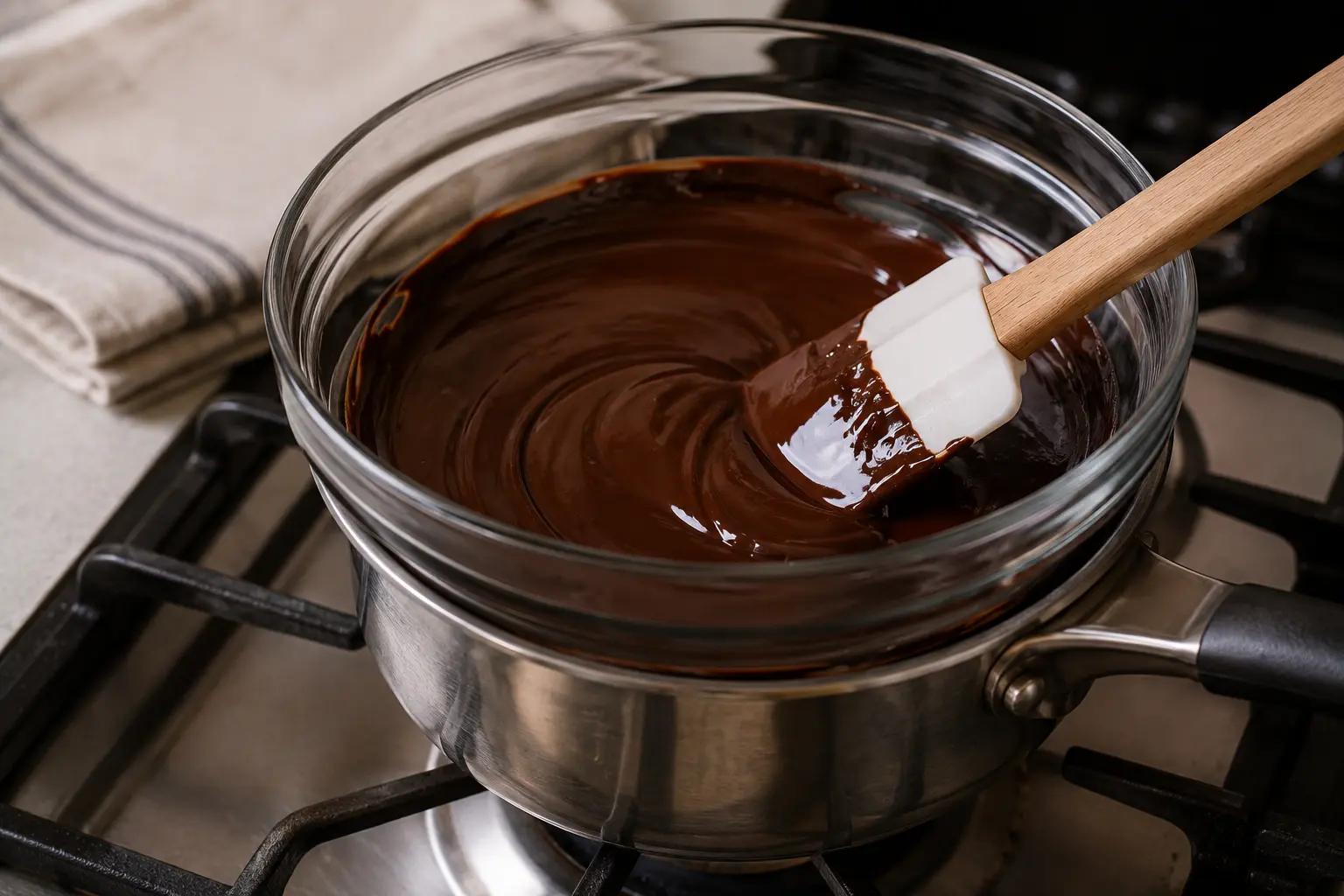
Melt 8 ounces of high-quality dark chocolate with 2 tablespoons of neutral oil.
Pour over the cake, ensuring even coverage.
Let it set completely before serving.
For an extra decorative touch, you can use a fork to create a wavy pattern in the chocolate before it sets.
Troubleshooting Common Baumkuchen Issues
Making Baumkuchen cake at home can be challenging. Here are solutions to common problems:
Uneven layers: Use an offset spatula to spread the batter as evenly as possible.
Burning: Keep a close eye on the cake and rotate the pan if your broiler heats unevenly.
Layers not distinct: Make sure each layer is fully set before adding the next one.
Dry texture: Don't overbake the final cake in the oven.
Serving and Storing Your Baumkuchen
Traditionally, German Baumkuchen cake is served in thin slices with coffee or tea. To properly store your creation, wrap it tightly in plastic wrap or place it in an airtight container. It will keep at room temperature for 2-3 days or in the refrigerator for up to a week.
Moreover, Baumkuchen cake actually improves with a day of rest, as the flavors meld and the texture becomes even more perfect. Therefore, consider making it a day before you plan to serve it.
Similarly, many make-ahead baked treats like this Apple Streusel Bread Recipe develop even richer flavor after resting overnight.
Modern Variations to Try
Once you've mastered the traditional Baumkuchen cake, you might want to experiment with these popular variations:
Matcha Baumkuchen cake (add 2 tablespoons matcha powder to the batter)
Chocolate Baumkuchen cake (add ¼ cup cocoa powder)
Orange-infused Baumkuchen cake (substitute orange zest for lemon)
Mini Baumkuchen cakes (use smaller pans for individual servings)
Conclusion
Creating an authentic Baumkuchen cake at home is certainly a labor of love, but the impressive results are absolutely worth the effort. The beautiful rings and delicious flavor will make this a showstopper dessert your guests won't soon forget.
While it takes practice to perfect, don't be discouraged if your first attempt isn't bakery-perfect. Each time you make this special cake, you'll improve your technique. Before long, you'll be creating this Baumkuchen recipe that rivals any professional bakery!
Have you tried making Baumkuchen cake at home? Looking for another bakery-style treat to add to your baking list? Try these Miso Brown Butter Cookies, which deliver a rich flavor and perfectly chewy texture. Let me know in the comments below how it turned out or if you have any special tips to share!
Discover the charm of Baumkuchen, Germany’s “king of cakes.” This layered masterpiece, with tree-like rings, is easier to recreate at home than you think!
Ingredients
1cup (226g) unsalted butter, room temperature
11/4cups (250g) granulated sugar, divided
8 large eggs, separated and at room temperature
1cup (125g) all-purpose flour
2tbsp cornstarch
1/4tsp salt
1tsp vanilla extract
1/2tsp almond extract
Zest of 1 lemon
1/2cup apricot jam
8ounces dark chocolate
2tbsp neutral oil (like grapeseed)
Instructions
Prepare the Pan and Ingredients
1
Get Everything Ready
Preheat your broiler and thoroughly butter a springform pan. Line the bottom with parchment paper and position an oven rack about 6 inches below the heating element.
Having all ingredients measured and at room temperature helps create a smooth, stable batter.
Make the Baumkuchen Batter
2
Cream the Butter and Sugar
In a large mixing bowl, beat the softened butter with 1 cup of sugar until pale, light, and fluffy.
Proper creaming incorporates air into the batter, giving the cake a lighter texture.
3
Add the Yolks and Flavorings
Gradually beat the egg yolks into the butter mixture. Stir in the vanilla extract, almond extract, and fresh lemon zest.
The lemon zest brightens the rich buttery flavor and adds traditional aroma.
4
Fold in the Dry Ingredients
Sift together the flour, cornstarch, and salt. Gently fold them into the batter until combined.
Avoid overmixing to keep the cake layers tender.
5
Incorporate the Egg Whites
In a separate bowl, beat the egg whites until soft peaks form. Gradually add the remaining sugar and continue beating until stiff peaks form. Carefully fold them into the batter.
Fold gently to preserve the air bubbles that create a delicate crumb.
Build the Signature Layers
6
Create the First Layer
Spread a very thin layer of batter across the bottom of the prepared pan.
Thin layers are essential for achieving the classic Baumkuchen tree-ring appearance.
7
Broil Until Golden
Place the pan under the broiler for 1–2 minutes until the surface turns golden brown.
Watch closely, as each layer can brown very quickly.
8
Repeat the Layering Process
Add another thin layer of batter over the browned surface and return it to the broiler. Continue repeating until all the batter has been used.
Most Baumkuchen cakes contain 15–20 delicate layers, creating the famous striped interior.
Finish Baking the Cake
9
Bake Through Completely
Once the final layer has browned, transfer the cake to a 350°F (175°C) oven and bake for 15–20 minutes.
This final bake ensures the center is fully cooked without drying out the outer layers.
10
Cool Before Glazing
Allow the cake to cool in the pan for 10 minutes. Remove the springform ring and transfer the cake to a wire rack to cool completely.
A completely cooled cake prevents the glaze from sliding off.
Apply the Apricot Glaze
11
Prepare the Glaze
Heat the apricot jam with a tablespoon of water until smooth and spreadable. Strain if desired.
A smooth glaze creates a professional finish and helps the chocolate adhere.
12
Brush the Entire Cake
Coat the top and sides of the cake with the warm apricot glaze.
This layer adds subtle fruit flavor and seals in moisture.
Add the Chocolate Coating
13
Melt the Chocolate
Combine the dark chocolate and neutral oil in a heatproof bowl and melt until silky smooth.
The oil creates a glossy coating that slices cleanly once set.
14
Coat the Cake
Pour the melted chocolate over the glazed cake, allowing it to flow evenly over the sides.
Use an offset spatula if needed for smooth coverage.
15
Let the Chocolate Set
Allow the coating to cool and harden completely before slicing and serving.
For a traditional decorative finish, drag a fork through the chocolate to create elegant wave patterns before it sets.
Nutrition Facts
Servings 12
Amount Per Serving
Calories375kcal
% Daily Value *
Total Fat21g33%
Saturated Fat12g60%
Cholesterol135mg45%
Total Carbohydrate40g14%
Dietary Fiber2g8%
Sugars28g
Protein6g12%
Calcium 40 mg
Iron 2.5 mg
* Percent Daily Values are based on a 2,000 calorie diet. Your daily value may be higher or lower depending on your calorie needs.
Note
For best results, slice with a serrated knife warmed in hot water and cleaned between cuts.
Keywords:
baumkuchen cake, baumkuchen recipe, authentic baumkuchen cake, german baumkuchen cake, homemade baumkuchen, german tree cake
Did you make this recipe?
Pin this recipe to share with your friends and followers.
Luna
Food and Lifestyle Blogger
Hi, I'm Luna, a full-time food blogger, mother of 2 beautiful daughters and a lovely wife. I live in New Jersey with my family. Loves traveling, sharing new recipes, and spending time with my family.