


Introduction
Have you ever tried kabocha congee? This heartwarming dish combines the nutritional benefits of Japanese pumpkin with the comfort of rice porridge. Additionally, it’s incredibly easy to prepare at home! In this blog post, I’ll guide you through creating the most delicious kabocha congee you’ve ever tasted. Furthermore, you’ll learn about the health benefits of this wonderful meal and some creative ways to serve it.
What is Kabocha Congee?
Kabocha congee is a nourishing rice porridge made with kabocha squash, also known as Japanese pumpkin. First of all, congee (or jook/juk) has been a staple in many Asian cuisines for centuries. Traditionally, it’s prepared by slow-cooking rice with plenty of water until it breaks down into a creamy consistency. Meanwhile, the addition of kabocha gives this dish a naturally sweet flavor and vibrant color.
Benefits of Kabocha Squash
Before we dive into the recipe, let’s explore why kabocha is such a fantastic ingredient:
- Rich in beta-carotene and vitamin A
- High in fiber and contains fewer calories than other winter squashes
- Loaded with antioxidants
- Naturally sweet, reducing the need for added sweeteners
As a result of these nutritional properties, kabocha congee is not just delicious but also highly nutritious!
Essential Ingredients
To make the best kabocha congee, you’ll need:
- 1 cup short-grain rice (jasmine or sushi rice works well)
- 2 cups kabocha squash, peeled and cubed
- 8 cups water or stock (chicken or vegetable)
- 1-inch piece of ginger, sliced
- 2 tablespoons soy sauce
- Salt to taste
- Optional toppings: green onions, sesame seeds, cilantro
Step-by-Step Cooking Instructions
1. Prepare Your Ingredients
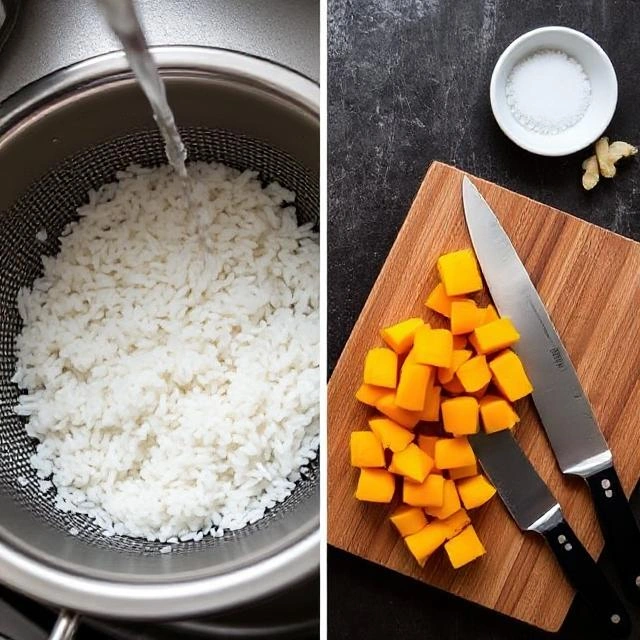
First, wash the rice thoroughly under cold water until the water runs clear. Then, peel and cut the kabocha squash into 1-inch cubes. Consequently, your cooking process will be much smoother with everything prepared in advance.
2. Start the Congee Base
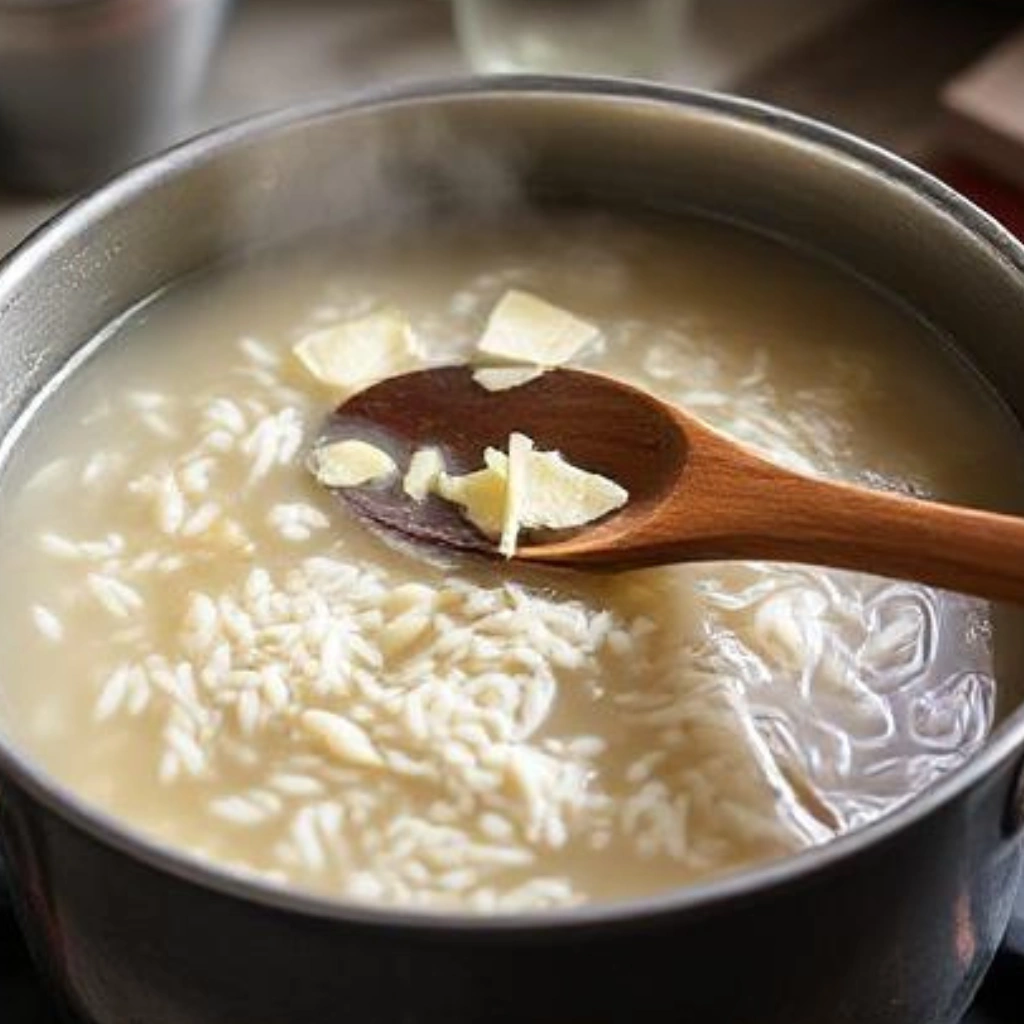
In a large pot, combine the rice and water or stock. Subsequently, bring it to a boil over high heat. Once boiling, reduce the heat to low and add the sliced ginger. After that, cover and let it simmer for about 20 minutes, stirring occasionally to prevent sticking.
3. Add the Kabocha
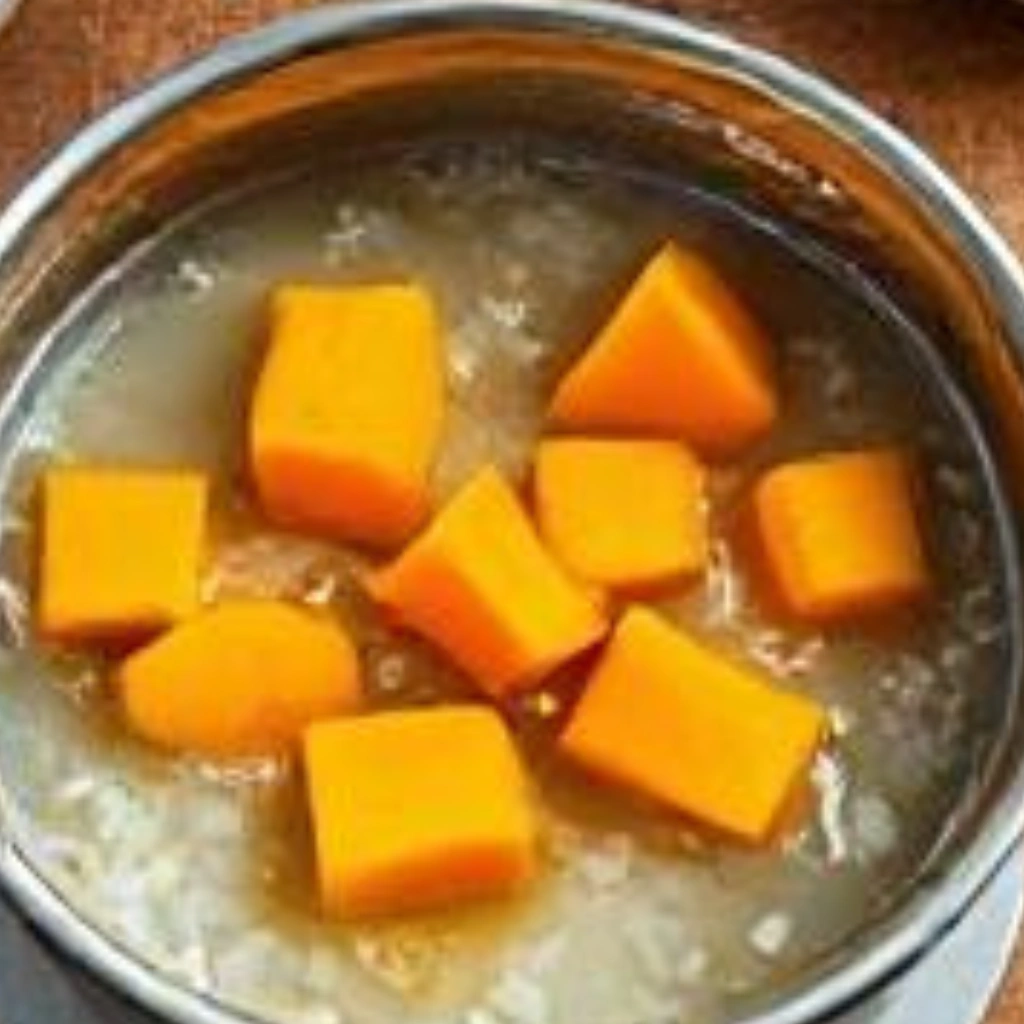
After the rice has started to break down, gently add the kabocha cubes to the pot. Next, stir to combine and continue cooking for another 30 minutes. During this time, the kabocha will soften and begin to meld with the congee.
4. Final Touches
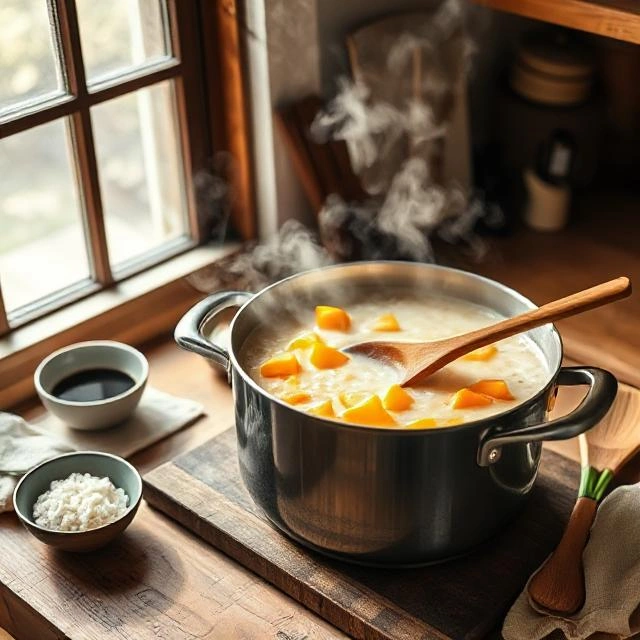
Once both the rice and kabocha are very tender, add soy sauce and salt to taste. As a result of the slow cooking, the kabocha congee should have a creamy, porridge-like consistency. However, if it’s too thick, you can add more water or stock.
Serving Suggestions
The best kabocha congee can be enjoyed in numerous ways. For instance, try these delicious serving ideas:
- Top with sliced green onions, a drizzle of sesame oil, and sesame seeds
- Add a soft-boiled egg for extra protein
- Include some crispy fried shallots for texture contrast
- Pair with a side of steamed vegetables
Make-Ahead and Storage Tips
Kabocha congee is actually perfect for meal prep. Therefore, you can make a large batch and enjoy it throughout the week. To store, place cooled congee in airtight containers and refrigerate for up to 4 days. When reheating, simply add a splash of water and warm it gently on the stovetop or in the microwave.
Variations to Try
Once you’ve mastered the basic kabocha congee recipe, you might want to experiment with these variations:
- Protein-Packed Version: Add shredded chicken or tofu during the last 10 minutes of cooking
- Coconut Kabocha Congee: Replace half the water with coconut milk for a richer flavor
- Spicy Kabocha Congee: Add a tablespoon of chili oil or crispy chili flakes when serving
- Five-Spice Kabocha Congee: Include a quarter teaspoon of Chinese five-spice powder for warmth
Common Questions About Kabocha Congee
Can I use other types of squash?
Yes! While kabocha gives the best flavor and texture, butternut squash or pumpkin can work as substitutes. Nevertheless, the distinct sweetness of kabocha is what makes kabocha congee truly special.
Can I make this in a slow cooker?
Absolutely! As a matter of fact, kabocha congee is perfectly suited for slow cooking. Simply combine all ingredients and cook on low for 6-8 hours or high for 3-4 hours.
Is kabocha congee good for kids?
Definitely! Besides being nutritious, the natural sweetness of kabocha makes this congee appealing to children. Moreover, it’s easy to digest and can be a great way to introduce new flavors.
Conclusion
Kabocha congee is a delightful, nourishing dish that brings together simple ingredients to create something truly special. Above all, it’s adaptable, economical, and perfect for any time of day. By following this guide, you’ll create a comforting bowl that warms both body and soul.
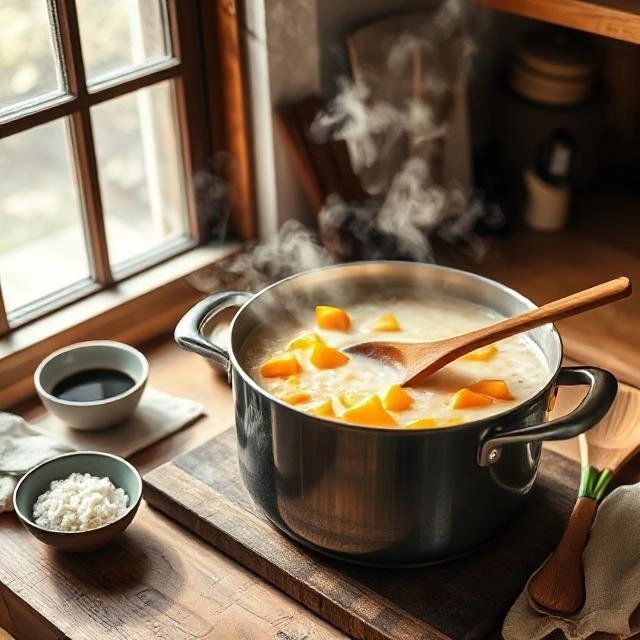
How to Make the Best Kabocha Congee at Home
Description
Kabocha Congee is a comforting and nutritious Chinese dish that beautifully blends tradition and nourishment. Made with creamy rice porridge and sweet Japanese pumpkin (kabocha squash), this soothing meal delivers warmth in every spoonful. Slow-cooked to perfection, the rice breaks down into a silky texture, while the kabocha adds a touch of natural sweetness and vibrant golden color. Perfect for breakfast or a light meal, this heartwarming congee is both easy to prepare and incredibly nourishing—an ideal bowl of comfort for any season.
Ingredients


Instructions
-
Wash rice thoroughly until water runs clear
-
Combine rice and water/stock in a large pot, bring to boil
-
Reduce heat, add ginger, and simmer for 20 minutes
-
Add kabocha cubes and cook for another 30 minutes
-
Season with soy sauce and salt to taste
-
Serve hot with your choice of toppings
Nutrition Facts
Servings 4
- Amount Per Serving
- Calories 215kcal
- % Daily Value *
- Total Fat 1g2%
- Total Carbohydrate 45g15%
- Dietary Fiber 4g16%
- Sugars 3g
- Protein 5g10%
- Vitamin A 290 mg
- Calcium 25 mg
- Iron 1.5 mg
* Percent Daily Values are based on a 2,000 calorie diet. Your daily value may be higher or lower depending on your calorie needs.