


Introduction
When December arrives, German Christmas markets come alive with the aroma of spiced wine, roasted chestnuts, and delightful almond cookies. Among these traditional treats, Bethmännchen stands out as a beloved classic that dates back nearly 200 years. These charming marzipan cookies, adorned with three almond halves, not only taste heavenly but also carry a fascinating history that makes them special.
Originally created in Frankfurt in the 1840s, Bethmännchen cookies were named after the prominent Bethmann banking family. Interestingly, the three almond halves traditionally represent the three sons of Simon Moritz von Bethmann. Furthermore, these little delights have remained virtually unchanged since their creation, preserving an authentic taste of German Christmas traditions.
Let’s dive into making these exquisite cookies that will surely become a highlight of your holiday baking repertoire!
What Makes Bethmännchen Special?
Bethmännchen cookies capture the essence of German Christmas baking through their simple yet refined ingredients. Primarily made with marzipan, these small round cookies deliver a delicate almond flavor that’s both sophisticated and comforting. Additionally, their distinctive appearance with three almond halves arranged in a triangular pattern makes them instantly recognizable.
Unlike many holiday cookies that focus on spices, Bethmännchen celebrates the pure taste of almonds. Consequently, they offer a welcome contrast to the cinnamon and ginger-laden treats that dominate Christmas platters. Moreover, their subtle sweetness pairs perfectly with a cup of hot tea or coffee during cold winter afternoons.
Historical Significance
The creation of Bethmännchen is commonly attributed to Jean Neuhaus, a confectioner who worked for the Bethmann family. Initially, these cookies reportedly featured four almond halves, one for each of Simon Moritz von Bethmann’s sons. However, after one son died, the recipe was modified to include only three almonds, a tradition that continues to this day.
Throughout the centuries, Bethmännchen has remained a symbol of Frankfurt’s culinary heritage. Furthermore, these cookies represent the elegant simplicity that characterizes much of traditional German baking. Despite their aristocratic origins, they have become beloved treats enjoyed by people from all walks of life during the holiday season.
Essential Ingredients for Authentic Bethmännchen
For truly authentic Bethmännchen, you’ll need quality ingredients:
- 200g marzipan paste (raw almond paste)
- 50g powdered sugar
- 1 medium egg white
- 1 tablespoon all-purpose flour
- 1 teaspoon rose water (traditional but optional)
- 1/4 teaspoon almond extract
- 30-36 blanched almond halves
- 1 egg yolk mixed with 1 teaspoon water (for glazing)
The rose water is an authentic touch that adds a subtle floral note to Bethmännchen. However, if you can’t find it or don’t enjoy its flavor, the almond extract alone will still produce delicious results. Above all, using high-quality marzipan makes a significant difference in the final taste of these special cookies.
Step-by-Step Preparation
Creating Bethmännchen requires attention to detail, but the process is straightforward:
1. First, crumble the marzipan into a medium-sized bowl.
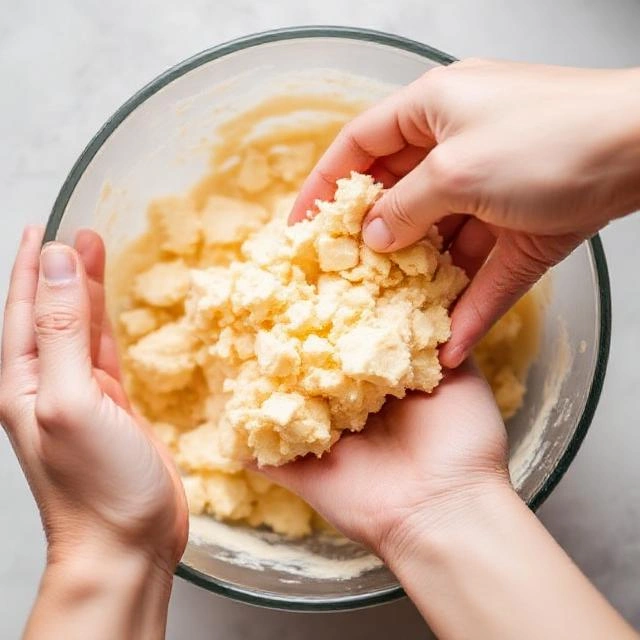
2. Add the powdered sugar, egg white, flour, rose water (if using), and almond extract to the marzipan.
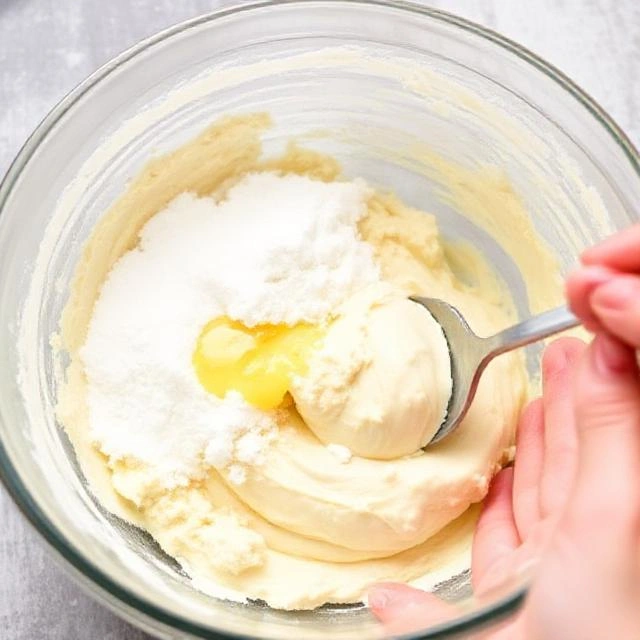
3. Mix thoroughly until you achieve a smooth, pliable dough. Initially, it might seem too sticky, but after proper mixing, it will become more manageable.
4. Cover the dough with plastic wrap and refrigerate for about 30 minutes. This chilling time makes the dough easier to handle.
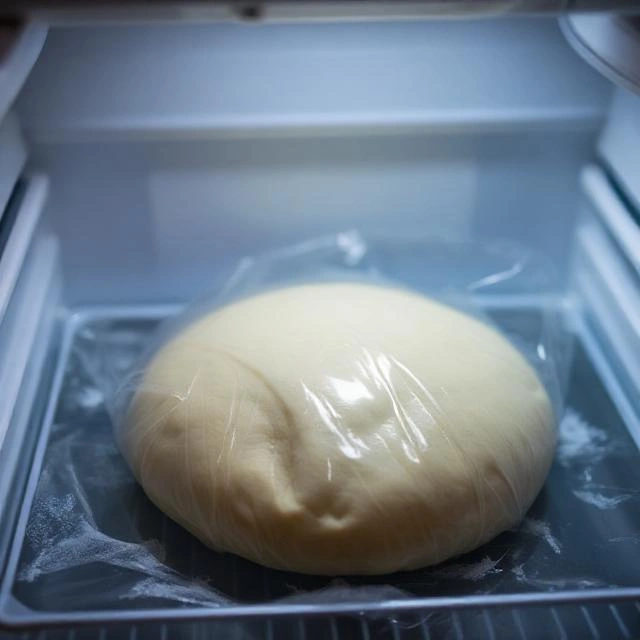
5. After chilling, preheat your oven to 300°F (150°C) and line a baking sheet with parchment paper.
7. Subsequently, divide the dough into small portions and roll them into balls about 1-inch (2.5 cm) in diameter.
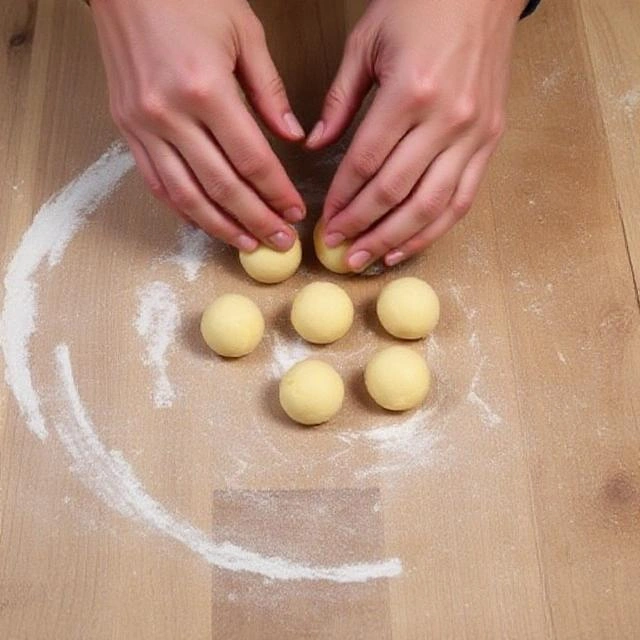
8. Press three almond halves into each ball, arranging them in a triangular pattern around the middle of the cookie.
9. Next, brush each Bethmännchen gently with the egg yolk mixture to create a shiny golden surface when baked.
10. Bake the cookies for approximately 12-15 minutes. Be careful not to overbake – they should remain pale with just a hint of golden color on the bottom edges.
Finally, let the Bethmännchen cool completely on the baking sheet before moving them to a storage container.

Tips for Perfect Bethmännchen
Achieving perfect Bethmännchen comes down to a few key techniques:
- Work with cold dough – if it becomes too soft while you’re shaping the cookies, return it to the refrigerator for a few minutes.
- When pressing the almond halves into the dough balls, do so gently to maintain the round shape.
- Furthermore, ensure your egg yolk glaze is applied as a thin layer – too much can cause the cookies to become too dark.
- Additionally, these cookies should remain relatively pale after baking, so watch them carefully to avoid over-browning.
- Allow the Bethmännchen to cool completely before storing, as they continue to set after being removed from the oven.
Storing and Serving Suggestions
One of the wonderful qualities of Bethmännchen is how well they keep. In fact, they actually improve after a day or two as the flavors meld together. Store your Bethmännchen in an airtight container at room temperature, where they’ll stay fresh for up to three weeks.
These cookies make a sophisticated addition to any holiday cookie platter. Moreover, they pair beautifully with hot beverages like mulled wine, spiced tea, or coffee. For an authentic German Christmas experience, serve Bethmännchen alongside other traditional treats such as Lebkuchen, Stollen, or Zimtsterne.
If you’re looking to expand your repertoire of European Christmas cookies, you might also want to try my Basler Läckerli recipe, a Swiss honey spice cookie that complements Bethmännchen wonderfully on a holiday cookie tray.
Variations to Try
While the traditional Bethmännchen recipe remains a favorite, several delightful variations have emerged over the years:
- Chocolate-Dipped Bethmännchen: After baking and cooling, dip the bottom half of each cookie in melted dark chocolate for an extra layer of flavor.
- Orange-Scented Bethmännchen: Add a teaspoon of orange zest to the dough and replace the rose water with orange blossom water.
- Pistachio Bethmännchen: Substitute one-third of the almonds in the marzipan with ground pistachios and use pistachio halves instead of almonds as decoration.
Regardless of which variation you try, the essence of Bethmännchen remains the celebration of almond flavor in an elegant, simple form.
Troubleshooting Common Issues
Even experienced bakers sometimes encounter challenges when making Bethmännchen. Here are solutions to common problems:
- If your dough is too sticky: Add a bit more flour, one teaspoon at a time, until it reaches a workable consistency.
- If the almond halves fall off: Slightly moisten the spot where you’ll place the almond before pressing it into the dough.
- If the cookies spread too much: Your oven might be too hot. Try reducing the temperature by 25 degrees or chilling the shaped cookies before baking.
- If the Bethmännchen brown too quickly: Place the baking sheet on a higher rack in the oven and consider covering loosely with foil for the last few minutes.
The Perfect Addition to Christmas Gift Baskets
Bethmännchen make wonderful gifts because they maintain their freshness for several weeks. Package them in decorative tins lined with parchment paper or in clear gift bags tied with festive ribbons. Additionally, include a note about their interesting history to add a personal touch.
For a truly impressive holiday gift basket, combine Bethmännchen with other European specialties like Basler Läckerli, Vanillekipferl, and Speculaas. This collection of traditional treats will delight anyone who appreciates fine European baking.
Conclusion
Bethmännchen represents the perfect balance of simplicity and elegance that characterizes so many beloved holiday traditions. These charming marzipan cookies connect us to centuries of German Christmas celebrations while offering a delightful treat that stands out from typical holiday fare.
By making Bethmännchen at home, you’re not only creating delicious cookies but also participating in a rich cultural tradition. Moreover, you’re likely starting a new holiday custom in your own home – once your family and friends taste these special treats, they’ll surely request them year after year!
Don’t forget to explore other European Christmas specialties like my Basler Läckerli recipe to create a truly international holiday cookie collection. Happy baking and Frohe Weihnachten (Merry Christmas)!
Authentic Bethmännchen Recipe: A German Christmas Delight
Description
When December arrives, the spirit of German Christmas fills the air with the scent of spiced wine, roasted chestnuts, and freshly baked almond cookies. Among these festive delights, Bethmännchen shines as a cherished classic dating back nearly two centuries. Originating in Frankfurt in the 1840s, these adorable marzipan cookies were named after the influential Bethmann banking family. Each cookie is decorated with three almond halves, symbolizing the three sons of Simon Moritz von Bethmann — a beautiful tradition that has been preserved through generations. With their rich flavor and historical charm, Bethmännchen offers an authentic taste of German Christmas that has remained unchanged over time. Get ready to explore this delightful holiday treat and make it a standout in your seasonal baking!
Ingredients


Instructions
Crumble marzipan into a medium bowl.
Add powdered sugar, egg white, flour, rose water (if using), and almond extract.
Mix until you have a smooth, pliable dough.
Cover and refrigerate for 30 minutes.
Preheat oven to 300°F (150°C) and line a baking sheet with parchment paper.
Divide dough into 1-inch balls.
Press three almond halves into each ball in a triangular pattern.
Brush each cookie with egg yolk mixture.
Bake for 12-15 minutes until just set but still pale.
Cool completely on the baking sheet before storing.
Nutrition Facts
Servings 24
- Amount Per Serving
- Calories 110kcal
- % Daily Value *
- Total Fat 6g10%
- Total Carbohydrate 13g5%
- Dietary Fiber 0.5g2%
- Sugars 11g
- Protein 3g6%
- Calcium 15 mg
- Iron 0.4 mg
* Percent Daily Values are based on a 2,000 calorie diet. Your daily value may be higher or lower depending on your calorie needs.
Note
- Authentic Bethmännchen remain pale when baked - don't wait for them to brown.
- These cookies improve with age - they taste even better 1-2 days after baking.
- For best results, use high-quality marzipan with at least 50% almond content.