


Introduction
Have you ever craved a hearty, warming soup that satisfies your hunger and soothes your soul? If so, tonjiru might become your new favorite comfort food. This traditional Japanese pork and vegetable miso soup has been warming Japanese households for generations, and now you can easily make it in your own kitchen.
Unlike regular miso soup, tonjiru features tender pork pieces and a colorful medley of root vegetables, creating a substantial meal that’s perfect for cold evenings. Additionally, the rich umami flavor develops as the ingredients simmer together, making this soup even more delicious the next day.
In this blog post, I’ll share my authentic tonjiru recipe that combines simplicity with incredible flavor. Furthermore, I’ll guide you through each step to ensure your soup turns out perfectly every time.
What Makes Tonjiru Special?
Tonjiru (豚汁), which literally means “pork soup,” stands out from other Japanese soups because of its hearty nature. First of all, the combination of pork with miso creates a depth of flavor that’s incredibly satisfying. Moreover, the variety of vegetables adds nutrition, texture, and color to this comforting dish.
Many Japanese families have their own special tonjiru recipe, passed down through generations. Consequently, you’ll find slight variations across different regions of Japan. However, the core ingredients—pork, root vegetables, and miso—remain consistent throughout these variations.
Key Ingredients for Authentic Tonjiru
To make truly authentic tonjiru, you’ll need these essential ingredients:
- Thinly sliced pork belly or shoulder – This provides richness and protein to the soup
- Dashi stock – The foundation of most Japanese soups
- Miso paste – Preferably a mix of red and white miso for balanced flavor
- Root vegetables – Typically daikon, carrots, gobo (burdock root), and satsumaimo (Japanese sweet potato)
- Konnyaku – A gelatinous food made from konjac yam
- Tofu – Adds protein and absorbs the flavors of the soup
- Green onions – For garnish and fresh flavor
Subsequently, you can adapt the vegetable selection based on what’s available in your area. As a result, your tonjiru can showcase seasonal ingredients while maintaining its authentic character.
Preparation Tips for Perfect Tonjiru
Before diving into the recipe, here are some helpful tips to ensure your tonjiru turns out perfect:
- Cut vegetables consistently – Uniform sizes ensure even cooking
- Don’t skip the sautéing step – Cooking the pork and vegetables before adding liquid enhances flavor
- Dissolve miso properly – Always remove the pot from heat before adding miso and dissolve it in a ladle first
- Season gradually – The flavors intensify as the soup simmers, so taste and adjust seasonings at the end
After following these tips, your tonjiru will have the perfect balance of flavors and textures. Consequently, even first-time makers can achieve excellent results.
Authentic Tonjiru Recipe
Now, let’s get to the main event—the recipe for delicious, warming tonjiru!
Ingredients (Serves 4-6):
- 200g thinly sliced pork belly (or shoulder), cut into bite-sized pieces
- 4 cups dashi stock
- 3-4 tablespoons miso paste (preferably a mix of red and white)
- 1 medium daikon radish, peeled and cut into half-moons
- 2 medium carrots, peeled and cut into half-moons
- 1 gobo (burdock root), peeled and sliced (optional)
- 1 small satsumaimo (Japanese sweet potato), peeled and cubed
- 1/2 block konnyaku, rinsed and cut into triangles
- 1/2 block firm tofu, cubed
- 1 tablespoon vegetable oil
- 2 green onions, thinly sliced for garnish
- 1 tablespoon soy sauce (optional)
- Salt to taste
Instructions:
1. First, prepare all your vegetables, cutting them into similar-sized pieces for even cooking.
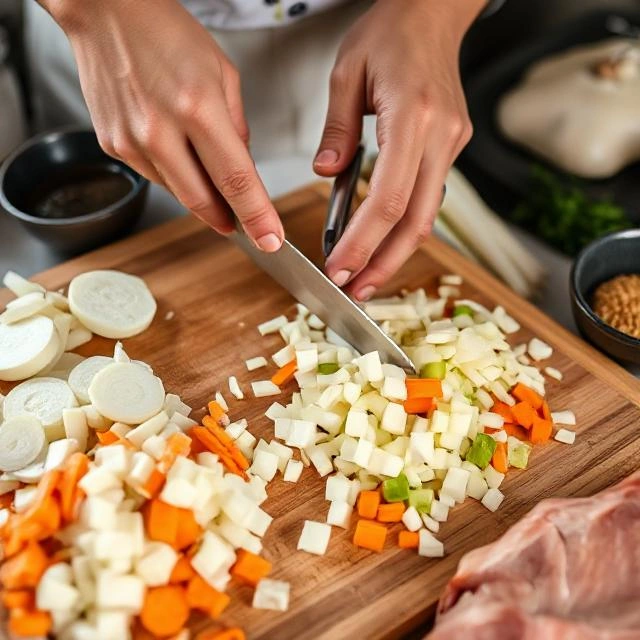
2. Next, heat the vegetable oil in a large pot over medium heat. Then add the pork pieces and cook until they begin to brown, about 3-4 minutes.
3. Subsequently, add the harder vegetables (daikon, carrots, gobo) to the pot and sauté for another 3-4 minutes.
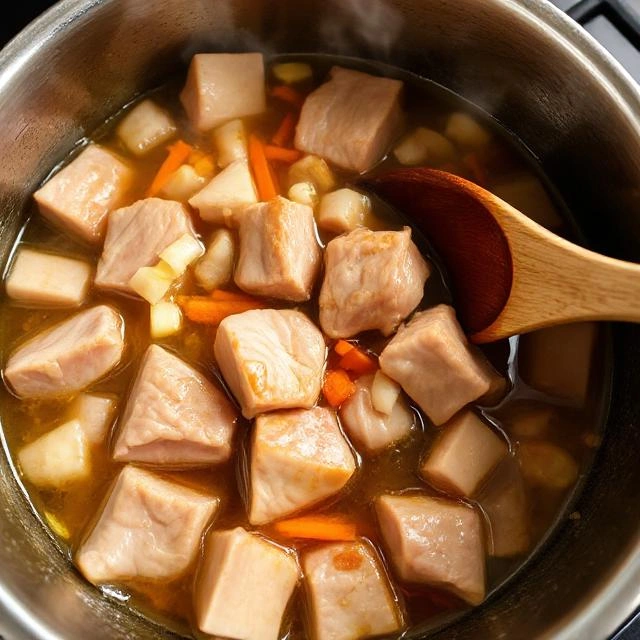
4. After that, add the dashi stock and bring to a gentle boil. Then reduce heat and simmer for about 10 minutes.
5. Meanwhile, add the sweet potato and konnyaku, then continue to simmer until all vegetables are tender, approximately 10-15 more minutes.
6. Following this, add the tofu cubes and simmer for an additional 2 minutes.
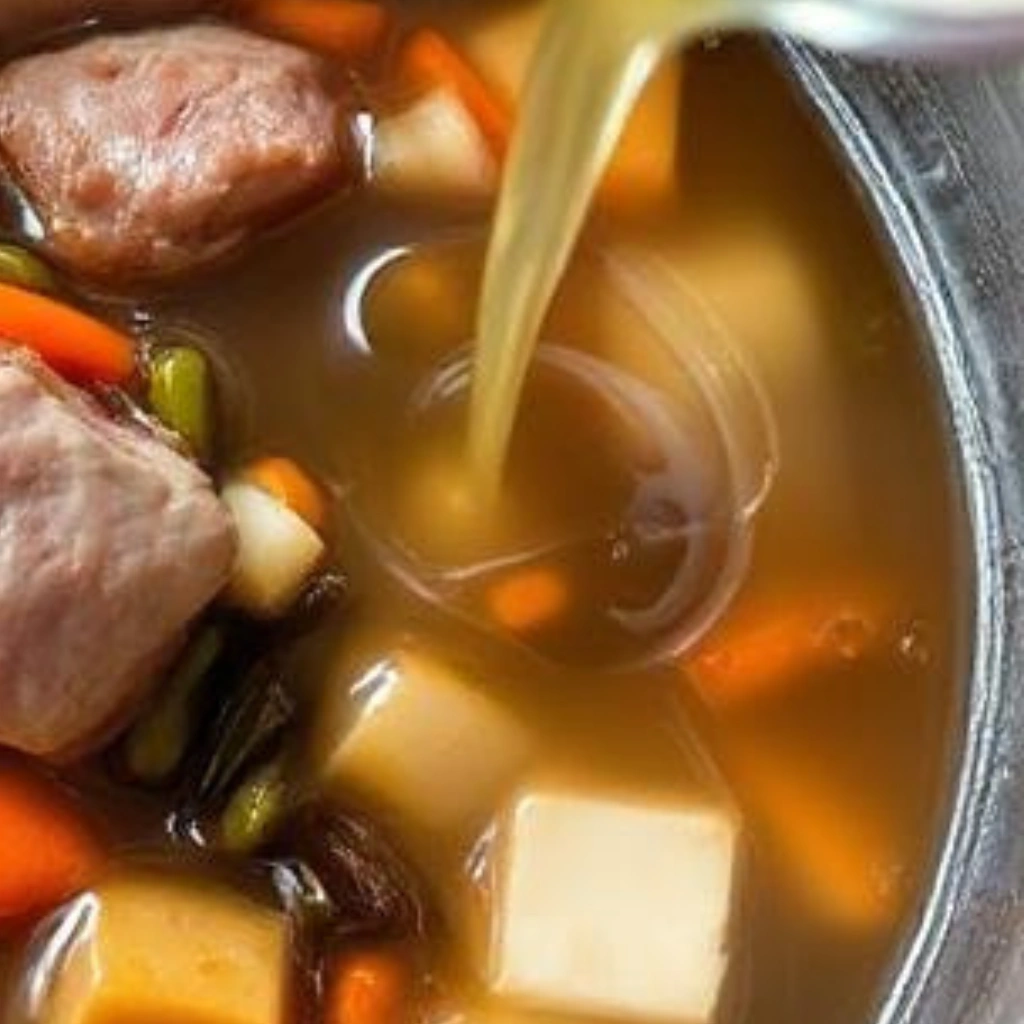
7. Turn off the heat. Then take a ladle of soup and mix in the miso paste until dissolved. Finally, return the miso mixture to the pot and stir gently.
8. Consequently, taste the soup and adjust seasoning with soy sauce or salt if needed.
9. Lastly, serve in bowls garnished with sliced green onions.
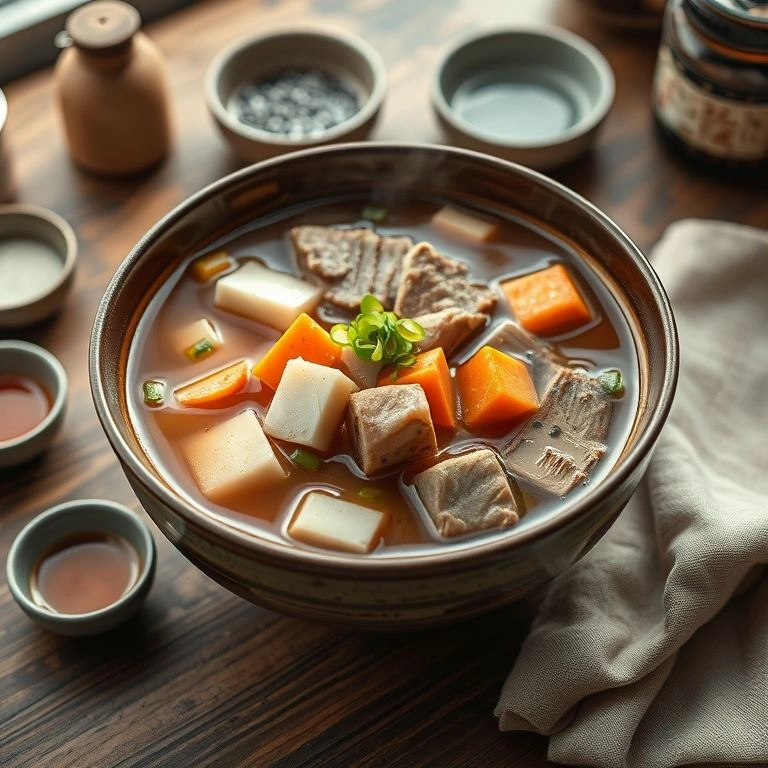
Serving Suggestions
Tonjiru makes a complete meal on its own, but you can also serve it as part of a larger Japanese meal. For instance, pair it with:
- A bowl of steamed rice
- Pickled vegetables (tsukemono)
- Grilled fish or meat
- Japanese salad with sesame dressing
Therefore, you can enjoy tonjiru as a hearty lunch or as part of a comforting dinner spread. Furthermore, the soup tastes even better the next day, making it perfect for meal prep.
Seasonal Variations of Tonjiru
One of the beautiful aspects of tonjiru is its adaptability to seasonal ingredients. Accordingly, here are some variations you might want to try:
Winter Tonjiru
Add more root vegetables like turnips or parsnips for extra heartiness.
Spring Tonjiru
Include tender spring onions and fresh mushrooms for a lighter version.
Summer Tonjiru
Add zucchini or eggplant for a seasonal twist.
Fall Tonjiru
Incorporate kabocha squash or mushrooms for an autumnal flavor profile.
Therefore, you can enjoy tonjiru year-round by adapting it to seasonal produce. Obviously, this makes it an incredibly versatile dish for your cooking repertoire.
Health Benefits of Tonjiru
Beyond its delicious taste, tonjiru offers numerous health benefits:
- Protein-rich – The pork and tofu provide essential proteins
- Vegetable-packed – Multiple vegetables offer various vitamins and minerals
- Gut-friendly – Miso contains beneficial probiotics
- Warming and satisfying – Perfect for boosting mood during cold weather
Consequently, tonjiru nourishes both body and soul, making it more than just a tasty meal. Additionally, it’s relatively low in calories compared to many other hearty soups, especially if you choose leaner cuts of pork.
Common Questions About Tonjiru
Can I make vegetarian tonjiru?
Yes! Simply omit the pork and use vegetable stock instead of dashi. Then add extra tofu or mushrooms for umami flavor.
How long does tonjiru keep in the refrigerator?
Tonjiru stays fresh for 3-4 days when properly refrigerated. In fact, many people believe it tastes even better the next day.
Can I freeze tonjiru?
Yes, but freeze it without the tofu and miso. Then add fresh tofu and miso after reheating for the best texture and flavor.
What if I can’t find some of the traditional vegetables?
Substitute with available root vegetables like potatoes, turnips, or parsnips. The soup will still be delicious!
Conclusion
Tonjiru is more than just a soup—it’s a warming culinary tradition that brings comfort and satisfaction to any meal. By following this authentic recipe, you’ll create a dish that balances flavors and textures perfectly while nourishing your body.
Next time you’re looking for a hearty, satisfying meal that’s both healthy and delicious, remember this tonjiru recipe. Subsequently, you might find yourself making it regularly, especially during colder months when we all crave something warm and comforting.
Have you tried making tonjiru before? Do you have any special ingredients you like to add to your version? Share your experiences in the comments below!
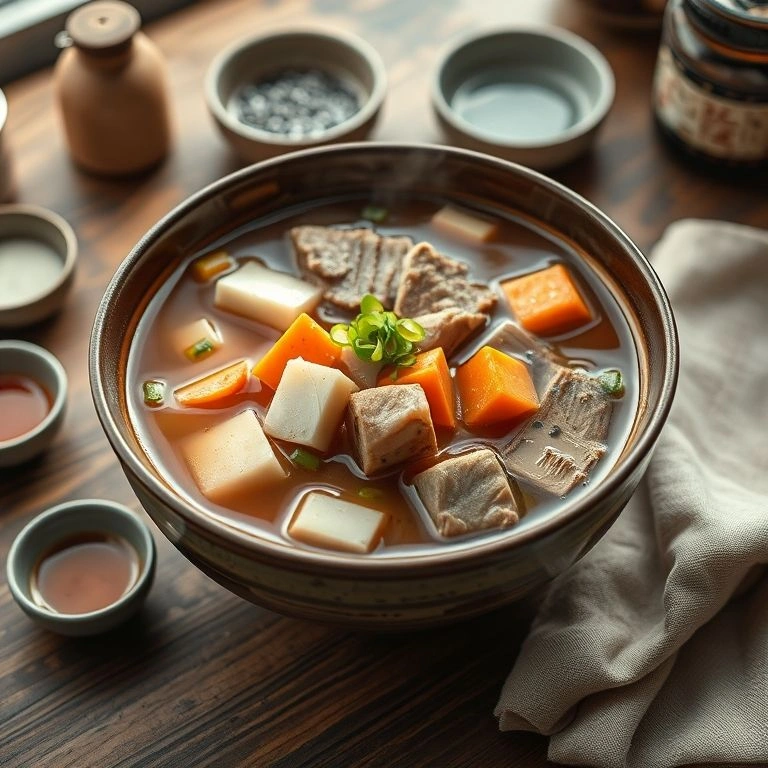
Authentic Tonjiru Recipe – Cozy Japanese Pork Miso Soup
Description
Warm, nourishing, and deeply comforting—tonjiru is Japan’s beloved pork and vegetable miso soup that feels like a cozy hug in a bowl. Packed with tender pork slices, hearty root vegetables, and rich umami broth, this wholesome dish goes beyond the usual miso soup to create a meal that truly satisfies. Perfect for chilly evenings, tonjiru’s flavors deepen beautifully as it simmers, making it even more delicious the next day. In this post, I’ll walk you through an authentic, easy-to-follow tonjiru recipe that brings timeless Japanese comfort straight to your kitchen.
Ingredients:


Instructions
Prepare all vegetables by cutting into similar-sized pieces.
Heat oil in a large pot over medium heat. Add pork and cook until beginning to brown (3-4 minutes).
Add daikon, carrots, and gobo; sauté for 3-4 minutes.
Add dashi stock and bring to a gentle boil. Reduce heat and simmer for 10 minutes.
Add sweet potato and konnyaku. Simmer until all vegetables are tender (10-15 minutes).
Add tofu cubes and simmer for 2 more minutes.
Turn off heat. Dissolve miso paste in a ladle of soup, then return to pot and stir gently.
Adjust seasoning with soy sauce or salt if needed.
Serve garnished with sliced green onions.
Nutrition Facts
Servings 6
- Amount Per Serving
- Calories 185kcal
- % Daily Value *
- Total Fat 8g13%
- Total Carbohydrate 30g10%
- Dietary Fiber 6g24%
- Sugars 14g
- Protein 2g4%
- Vitamin C 25 mg
- Calcium 60 mg
- Iron 1.2 mg
* Percent Daily Values are based on a 2,000 calorie diet. Your daily value may be higher or lower depending on your calorie needs.
Note
- Tonjiru tastes even better the next day.
- Adjust vegetables according to seasonal availability.
- For a lighter version, use leaner pork or chicken.