


Introduction
Have you ever encountered a dish that feels like a warm hug on a cold day? Well, Pichelsteiner Eintopf is exactly that kind of meal! This hearty German stew combines several meats with seasonal vegetables in one pot, creating a comforting meal that’s perfect for family gatherings or a cozy dinner at home.
Despite its impressive flavor profile, Pichelsteiner Eintopf remains surprisingly unknown outside of Germany. However, this traditional one-pot wonder deserves a spot in your recipe collection. Not only is it delicious and satisfying, but also it’s adaptable to whatever ingredients you have on hand.
In this article, I’ll guide you through creating authentic Pichelsteiner Eintopf in your own kitchen, share the fascinating history behind this dish, and offer tips to make it your own. So, let’s dive into the world of German comfort food and discover why this stew has been beloved for generations!
What is Pichelsteiner Eintopf?
First, let’s understand what makes Pichelsteiner Eintopf special. The term “Eintopf” translates to “one pot” in German, indicating that this dish cooks all ingredients together in a single vessel. Specifically, Pichelsteiner Eintopf originated in Eastern Bavaria, near the Bavarian Forest, and has been enjoyed since the early 19th century.
Unlike other German stews that might focus on a single meat, Pichelsteiner Eintopf traditionally includes a mixture of beef, pork, and lamb, though modern variations often adapt based on preference and availability. Additionally, this hearty stew incorporates a variety of vegetables, typically including potatoes, carrots, leeks, and cabbage.
What’s more, the cooking method allows all these ingredients to mingle slowly, creating a rich broth that ties everything together beautifully. Therefore, each spoonful delivers a perfect balance of meat and vegetables with minimal effort from the cook.
The History Behind Pichelsteiner Eintopf
Interestingly, Pichelsteiner Eintopf has a colorful origin story. According to local legend, this stew was first prepared for a festival near Pichelstein, a rock formation in the Bavarian Forest. During this annual celebration, locals would bring different meats and vegetables, combining them in large pots to feed the community.
Over time, this communal dish gained popularity throughout Bavaria and beyond. Eventually, it became a staple in home kitchens, particularly during colder months when a hearty, warming meal was most welcome.
Today, Pichelsteiner Eintopf remains popular in Germany, though each region and family often adds their own special touches to the traditional recipe.
Essential Ingredients for Authentic Pichelsteiner Eintopf
Before we begin cooking, let’s gather all the ingredients you’ll need to make authentic Pichelsteiner Eintopf:
For the Meat Mixture:
- 1/2 pound beef stew meat, cubed
- 1/2 pound pork shoulder, cubed
- 1/2 pound lamb shoulder, cubed (optional – can substitute with more beef or pork)
- 2 tablespoons vegetable oil
- 1 teaspoon salt
- 1/2 teaspoon black pepper
For the Vegetables:
- 1 large onion, diced
- 2 leeks, white and light green parts sliced
- 3 carrots, peeled and chopped
- 2 parsnips, peeled and chopped
- 1 small head of cabbage, roughly chopped
- 4 medium potatoes, peeled and cubed
- 2 cloves garlic, minced
- 1 tablespoon tomato paste
For the Broth and Seasonings:
- 4 cups beef broth
- 1 bay leaf
- 1 teaspoon dried marjoram
- 1 teaspoon caraway seeds
- 2 tablespoons fresh parsley, chopped
- Salt and pepper to taste
Notably, while this list might seem long, the beauty of Pichelsteiner Eintopf lies in its flexibility. Therefore, feel free to adjust the vegetables based on what’s in season or available in your kitchen.
Step-by-Step Cooking Instructions
Now, let’s make this delicious Pichelsteiner Eintopf together:
1. Prepare the Meat
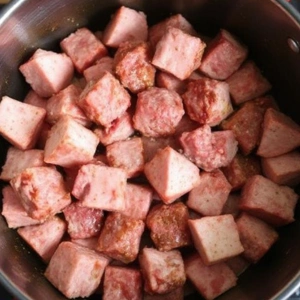
First, pat the meat cubes dry with paper towels and season them with salt and pepper. Then, heat the vegetable oil in a large Dutch oven or heavy-bottomed pot over medium-high heat.
Once the oil is hot, add the meat in batches (don’t overcrowd the pot) and brown on all sides. This step is crucial for developing flavor, so take your time. After browning, remove the meat and set it aside.
2. Build the Flavor Base
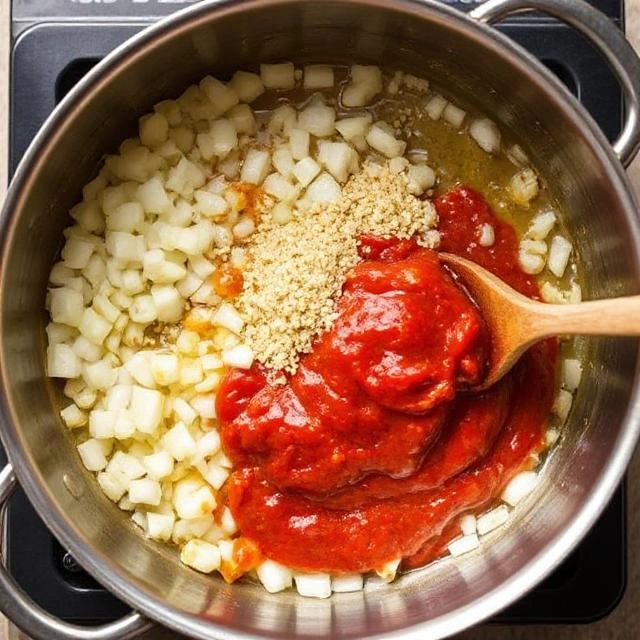
Next, in the same pot, add the diced onions and cook until translucent, about 3-4 minutes. Then add the garlic and cook for another 30 seconds until fragrant.
Subsequently, stir in the tomato paste and cook for 1 minute, allowing it to caramelize slightly. This deepens the flavor of your Pichelsteiner Eintopf considerably.
3. Add Vegetables and Liquid
Now, return the browned meat to the pot and add the leeks, carrots, and parsnips. After that, pour in the beef broth and add the bay leaf, marjoram, and caraway seeds.
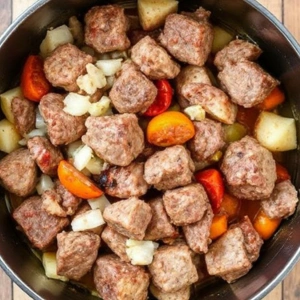
Bring the mixture to a boil, then reduce heat to a simmer. Cover and cook for about 45 minutes, or until the meat begins to become tender.
4. Complete the Stew
After 45 minutes, add the potatoes and cabbage to the pot. These vegetables are added later because they cook more quickly than the root vegetables and meat.
Continue simmering for another 30-40 minutes, or until the potatoes are tender and the meat is falling-apart soft. Occasionally stir the stew gently to prevent sticking.
5. Final Touches
Once everything is tender, taste and adjust the seasonings with additional salt and pepper if needed. Then remove the bay leaf and stir in the fresh chopped parsley.
Allow the Pichelsteiner Eintopf to rest for 10 minutes before serving. This resting time allows the flavors to meld together even more beautifully.
Serving Suggestions
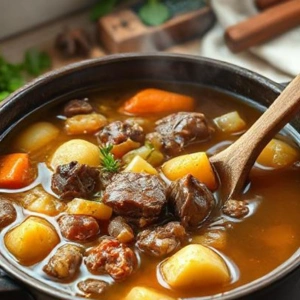
Traditionally, Pichelsteiner Eintopf is served in deep bowls with a sprinkle of fresh herbs on top. For an authentic German meal experience, serve with:
- Crusty rye bread or sourdough for dipping
- A small side salad with a simple vinaigrette
- German pickles (Gewürzgurken)
- A cold German beer like Hefeweizen or Pilsner
If you enjoy this hearty German dish, you might also want to try our Authentic Beef Rouladen Recipe, which features similar comforting flavors in a different preparation style!
Tips for the Perfect Pichelsteiner Eintopf
After making Pichelsteiner Eintopf countless times, I’ve gathered these helpful tips:
1. Don’t Rush the Browning
Perhaps the most important step is properly browning the meat. Despite the temptation to hurry, allowing each piece to develop a rich crust creates the foundation for an exceptional stew.
2. Layer Your Vegetables Strategically
Instead of adding all vegetables at once, stagger them based on cooking time. This way, nothing becomes mushy or undercooked in your Pichelsteiner Eintopf.
3. Make It a Day Ahead
Like many stews, Pichelsteiner Eintopf tastes even better the next day when flavors have had time to develop. If possible, make it a day before serving for the most remarkable flavor.
4. Don’t Skip the Caraway
Though it might seem like a minor ingredient, caraway seeds provide a distinctive flavor that’s characteristic of German cooking. Without them, your stew will miss that authentic touch.
Variations of Pichelsteiner Eintopf
While the traditional recipe is delicious, Pichelsteiner Eintopf adapts well to different preferences and dietary needs:
Vegetarian Version
Simply omit the meat and use vegetable broth instead of beef broth. To maintain heartiness, add more root vegetables and perhaps some mushrooms for umami flavor.
Single-Meat Option
If you prefer not to use multiple meats, you can make Pichelsteiner Eintopf with just beef or pork. However, the traditional mix provides the most complex flavor.
Seasonal Adaptations
Depending on the time of year, incorporate seasonal vegetables. For example, add asparagus in spring or pumpkin in fall for a seasonal twist.
Storage and Reheating Instructions
Fortunately, Pichelsteiner Eintopf stores and reheats beautifully:
- Refrigerate: Store in airtight containers for up to 4 days.
- Freeze: Freeze portions for up to 3 months in freezer-safe containers.
- Reheat: Warm slowly on the stovetop, adding a splash of broth if needed to restore consistency.
Importantly, the flavors will continue to develop during storage, often making day-two Pichelsteiner Eintopf even more delicious than when freshly made.
The Cultural Significance of Pichelsteiner Eintopf
Beyond its delicious taste, Pichelsteiner Eintopf represents important aspects of German culinary philosophy. Particularly, it embodies the concepts of:
Resourcefulness
Historically, this stew allowed cooks to use whatever meats and vegetables were available, preventing food waste and stretching resources.
Community
As mentioned in the origin story, Pichelsteiner Eintopf began as a communal dish where everyone contributed ingredients. Therefore, it symbolizes sharing and coming together.
Practicality
Like many one-pot meals, this stew reflects the practical German approach to cooking – efficient, nourishing, and designed to feed a family with minimal fuss.
Health Benefits of Pichelsteiner Eintopf
Despite being a hearty comfort food, Pichelsteiner Eintopf offers several nutritional benefits:
- Complete Protein: The combination of different meats provides all essential amino acids.
- Vegetable Variety: The diverse vegetables deliver a range of vitamins, minerals, and antioxidants.
- Balanced Meal: Each serving contains protein, complex carbohydrates, and fiber in a satisfying portion.
- Minimal Added Fat: Most of the flavor comes from the ingredients themselves rather than added fats.
Therefore, you can enjoy this traditional stew knowing it provides substantial nutrition alongside its comforting qualities.
Common Questions About Pichelsteiner Eintopf
Frequently, readers ask these questions about making Pichelsteiner Eintopf:
Can I make this in a slow cooker?
Absolutely! Brown the meat and sauté the onions and garlic as directed, then transfer everything to a slow cooker. Cook on low for 7-8 hours or high for 4-5 hours, adding the potatoes and cabbage during the last 1-2 hours.
What if I can’t find lamb?
No problem! While traditional Pichelsteiner Eintopf uses three meats, you can easily make it with just beef and pork, or even a single type of meat if you prefer.
Is there a faster version?
Yes! For a quicker Pichelsteiner Eintopf, use a pressure cooker or Instant Pot. Brown the meat and sauté aromatics using the sauté function, then pressure cook everything except the cabbage for 15 minutes. After quick-releasing the pressure, add the cabbage and cook for an additional 2 minutes.
Can I make this vegetarian?
Certainly! Replace the meat with a mix of mushrooms and increase the other vegetables. Also, substitute vegetable broth for beef broth and consider adding a tablespoon of soy sauce or miso paste for umami depth.
Conclusion
Pichelsteiner Eintopf represents the best of German comfort food – hearty, flavorful, and satisfying without being complicated. By combining multiple meats with seasonal vegetables in one pot, you create a meal that warms both body and soul, especially on chilly days.
Whether you follow the traditional recipe exactly or adapt it based on what’s in your refrigerator, this versatile stew delivers exceptional flavor with minimal fuss. In fact, its adaptability is part of what has made it a beloved dish for generations.
Next time you’re craving something hearty and comforting, skip the usual stews and try this Pichelsteiner Eintopf instead! And if you enjoy German cuisine, don’t forget to check out our Traditional Pfefferpotthast recipe for another traditional favorite!
Have you tried making Pichelsteiner Eintopf or other German stews? What’s your favorite combination of ingredients? Share your experiences in the comments below!
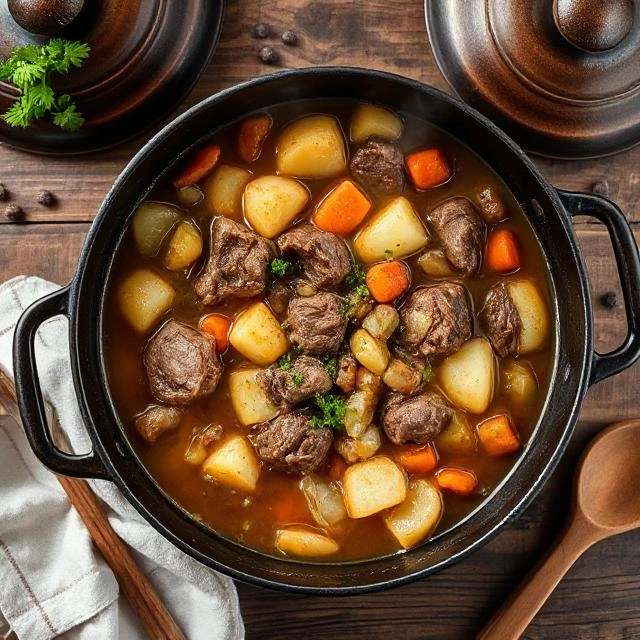
How to Make Classic Pichelsteiner Eintopf at Home
Description
Discover the comforting charm of Pichelsteiner Eintopf, a traditional German one-pot stew that feels like a warm hug on a chilly day. This hearty dish blends tender meats and seasonal vegetables, simmered together to create rich, homey flavors perfect for family gatherings or cozy nights in. Though little known outside Germany, Pichelsteiner Eintopf deserves a place in every kitchen for its simplicity, adaptability, and soul-satisfying taste. Dive into its history, learn how to make it authentically, and experience the timeless joy of German comfort food.
Ingredients:
For the Meat Mixture:



For the Vegetables:
For the Broth and Seasonings:
Instructions
Pat meat dry and season with salt and pepper.
Heat oil in a Dutch oven over medium-high heat. Brown meat in batches and set aside.
In the same pot, sauté onions until translucent (3-4 minutes).
Add garlic and cook for 30 seconds, then stir in tomato paste and cook for 1 minute.
Return browned meat to the pot and add leeks, carrots, and parsnips.
Pour in beef broth and add bay leaf, marjoram, and caraway seeds.
Bring to a boil, then reduce heat to simmer. Cover and cook for 45 minutes.
Add potatoes and cabbage, continue simmering for 30-40 minutes until all vegetables and meat are tender.
Taste and adjust seasonings, remove bay leaf, and stir in fresh parsley.
Let rest for 10 minutes before serving.
Nutrition Facts
Servings 6
- Amount Per Serving
- Calories 420kcal
- % Daily Value *
- Total Fat 18g28%
- Sodium 820mg35%
- Total Carbohydrate 35g12%
- Dietary Fiber 6g24%
- Sugars 8g
- Protein 32g64%
- Vitamin C 40 mg
- Calcium 90 mg
- Iron 3.5 mg
* Percent Daily Values are based on a 2,000 calorie diet. Your daily value may be higher or lower depending on your calorie needs.