


Introduction: The Magic of German Bread Dumplings
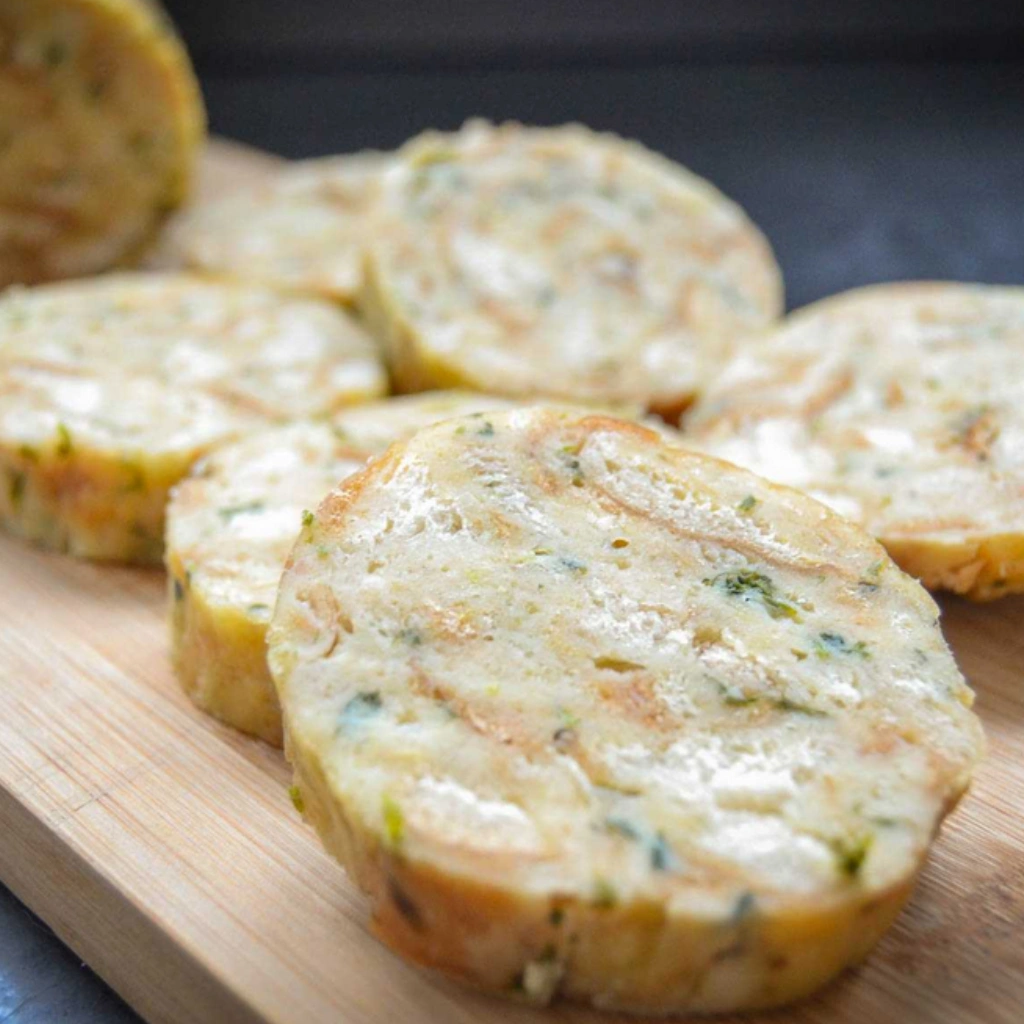
Have you ever encountered a dish that instantly transports you to another country? Serviettenknödel – these magnificent German bread dumplings – certainly accomplish this culinary magic. First of all, these cylindrical dumplings deliver incredible flavor while utilizing simple ingredients. Additionally, they transform stale bread into something extraordinary, making them both sustainable and delicious.
Today, I’m thrilled to share my foolproof method for creating authentic Serviettenknödel in just three straightforward steps. Moreover, this recipe comes directly from my German grandmother’s handwritten cookbook, ensuring you’ll experience the real deal.
What Makes Serviettenknödel Special?
Serviettenknödel, which literally translates to “napkin dumplings,” earned their name from the traditional cooking method. Historically, the bread mixture was rolled into a log shape inside a cloth napkin before simmering. As a result, the dumplings develop their characteristic cylindrical form that slices beautifully when served.
Unlike other dumplings that might fall apart, Serviettenknödel hold together perfectly when cooked properly. Consequently, they make an ideal accompaniment to dishes with rich gravies or sauces. Furthermore, their mild flavor profile complements both meat-based meals and vegetarian options equally well.
The 3 Simple Steps to Perfect Serviettenknödel
Creating authentic Serviettenknödel might seem intimidating at first glance. However, I’ve broken the process down into three manageable steps that even beginners can master. Let’s dive in!
Step 1: Prepare the Bread Mixture
The foundation of excellent Serviettenknödel begins with good bread. For this recipe, you’ll need:
- 1 pound day-old white bread (ideally Kaiser rolls or a crusty loaf)
- 1 cup warm milk
- 3 large eggs
- 1/4 cup finely chopped parsley
- 1 small onion, finely diced
- 2 tablespoons butter
- Salt and freshly ground pepper to taste
- A pinch of nutmeg
Start by cutting your bread into small cubes (about 1/2 inch). Subsequently, place them in a large mixing bowl. Meanwhile, sauté the diced onion in butter until translucent but not browned. Then, pour the warm milk over the bread cubes and let the mixture rest for 15 minutes. After that, add the sautéed onions, eggs, parsley, and seasonings.
The key here lies in the consistency. Therefore, mix everything gently with your hands until well combined, but avoid overmixing which could make your Serviettenknödel dense and heavy.

Step 2: Shape and Wrap
This step transforms your bread mixture into the classic Serviettenknödel shape:
- Lay a clean kitchen towel or cheesecloth flat on your counter
- Slightly dampen the cloth with water
- Place the bread mixture in the center, forming a log shape about 3 inches in diameter
- Roll the cloth around the mixture, creating a tight cylinder
- Secure both ends with kitchen twine
The wrapping technique matters tremendously. In particular, make sure you’ve created a tight but not compressed cylinder. Furthermore, leaving some room for expansion prevents dense, tough dumplings.
Step 3: Simmer to Perfection
The final step requires patience but minimal effort:
- Bring a large pot of lightly salted water to a gentle simmer (never a rolling boil)
- Carefully place your wrapped Serviettenknödel into the water
- Simmer for approximately 25-30 minutes, turning occasionally
- Remove from water and let rest for 5 minutes before unwrapping
- Slice into rounds approximately 1/2 inch thick
During cooking, you might notice the dumpling expanding slightly – this is normal! In fact, this indicates that your Serviettenknödel is cooking properly. After the resting period, you’ll be rewarded with perfectly formed dumplings ready for slicing and serving.

Serving Suggestions: Perfect Pairings
Traditional German cuisine often serves Serviettenknödel alongside hearty meat dishes. For instance, they pair wonderfully with:
- Sauerbraten (German pot roast)
- Roast duck or goose
- Beef goulash
- Wild game dishes
- Mushroom ragout (for a vegetarian option)
For a complete German meal experience, serve your Serviettenknödel with my Rotkohl Recipe – a delicious sweet and sour red cabbage dish that complements the mild flavor of the dumplings perfectly.
Troubleshooting Your Serviettenknödel
Even experienced cooks occasionally encounter challenges. Therefore, let me share some solutions to common Serviettenknödel problems:
- Dumplings falling apart: Your bread mixture was likely too wet. Next time, add a few tablespoons of breadcrumbs to absorb excess moisture.
- Tough texture: You may have compressed the mixture too tightly or cooked at too high a temperature. As a result, try a gentler touch and lower heat.
- Bland flavor: Fresh herbs and proper seasoning make all the difference! Consequently, don’t skimp on the parsley, salt, pepper, and nutmeg.
Modern Variations Worth Trying
While traditional Serviettenknödel remains unbeatable, several modern variations have emerged:
- Herb-Infused: Add a mixture of fresh herbs like thyme, chives, and dill
- Bacon and Onion: Include crispy bacon bits and caramelized onions
- Spinach: Mix in blanched, chopped spinach for color and nutrition
- Cheese-Studded: Small cubes of smoked cheese create pockets of melty goodness
Nevertheless, I recommend mastering the traditional version before experimenting with these variations. Above all, understanding the basic technique ensures success with any adaptation.
Make-Ahead Tips for Entertaining
Serviettenknödel works wonderfully for entertaining because you can prepare it in advance. Without a doubt, this makes your hosting duties much more manageable. To prepare ahead:
- Complete Steps 1 and 2 up to 24 hours in advance
- Store the wrapped, uncooked dumpling in the refrigerator
- Remove from refrigerator 30 minutes before cooking
- Proceed with Step 3 as directed
Furthermore, cooked Serviettenknödel reheats beautifully. Simply slice the leftover dumpling and pan-fry the slices in a little butter until golden and crispy on both sides.
Embracing German Culinary Tradition
Making Serviettenknödel connects us to centuries of German culinary tradition. Throughout history, these dumplings represented resourcefulness and creativity in the kitchen. By transforming stale bread into a delicious side dish, our ancestors created something truly special that continues to grace tables today.
When you master this authentic Serviettenknödel recipe, you’re not just creating a delicious side dish – you’re participating in a rich culinary heritage. Therefore, take pride in preserving this wonderful tradition and sharing it with others!
Don’t forget to try my Rotkohl Recipe as the perfect accompaniment to your homemade Serviettenknödel. Together, they create a meal that honors German cuisine at its finest.
Authentic Serviettenknödel in 3 Simple Steps
Description
Serviettenknödel is the kind of dish that carries you straight to the heart of Germany with just one bite. These traditional cylindrical bread dumplings turn humble, stale bread into a culinary masterpiece—sustainable, flavorful, and deeply comforting. What makes them truly special is their heritage: passed down from my German grandmother’s handwritten cookbook, this authentic method preserves every bit of tradition. Named after the old custom of rolling the dough in a cloth napkin before simmering, Serviettenknödel holds its shape beautifully, slicing perfectly for serving. Their gentle flavor pairs wonderfully with rich gravies, sauces, meat dishes, or vegetarian meals—making them a versatile star on any table. Today, I’m excited to walk you through a foolproof three-step process to create the real Serviettenknödel experience right in your kitchen.
Ingredients:

Instructions
-
Prepare the bread mixture:
-
- Cut bread into 1/2-inch cubes and place in a large bowl
- Sauté onion in butter until translucent
- Pour warm milk over bread cubes and let soak for 15 minutes
- Add sautéed onions, beaten eggs, parsley, salt, pepper, and nutmeg
- Mix gently with hands until well combined
-
-
Shape and wrap:
-
- Dampen a clean kitchen towel or cheesecloth
- Spread the cloth on a flat surface
- Place bread mixture in center and form into a log about 3 inches in diameter
- Roll cloth around mixture, creating a tight cylinder
- Secure both ends with kitchen twine
-
-
Cook to perfection:
-
- Bring a large pot of lightly salted water to a gentle simmer
- Carefully place wrapped dumpling into water
- Simmer for 25-30 minutes, turning occasionally
- Remove from water and let rest 5 minutes before unwrapping
- Slice into 1/2-inch rounds and serve warm
-
Nutrition Facts
Servings 6
- Amount Per Serving
- Calories 230kcal
- % Daily Value *
- Total Fat 9g14%
- Saturated Fat 4g20%
- Cholesterol 105mg35%
- Total Carbohydrate 28g10%
- Dietary Fiber 2g8%
- Sugars 4g
- Protein 9g18%
- Calcium 95 mg
- Iron 2.1 mg
* Percent Daily Values are based on a 2,000 calorie diet. Your daily value may be higher or lower depending on your calorie needs.