

Introduction
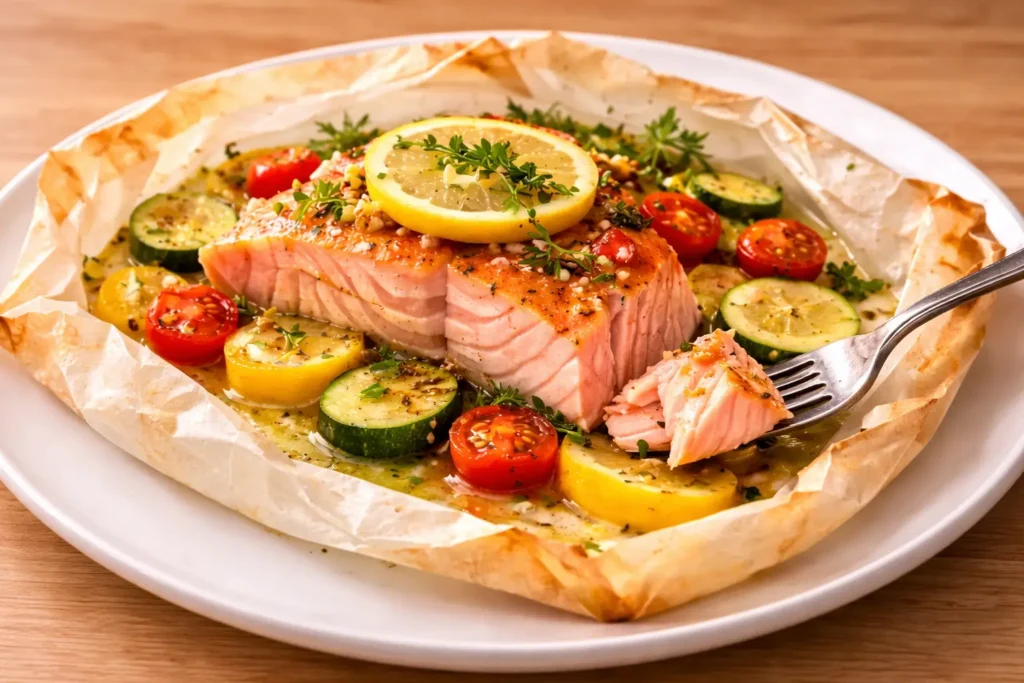
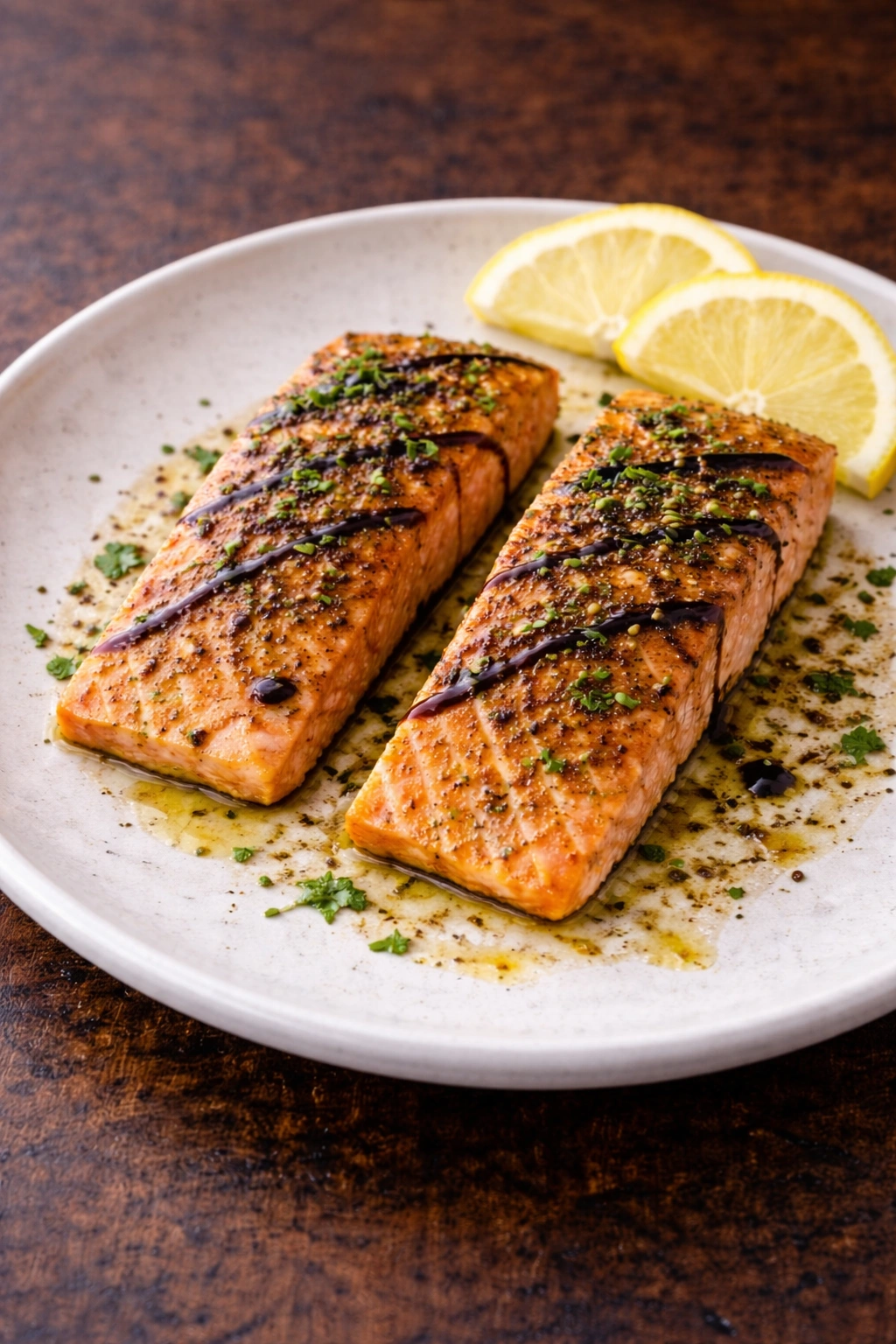
Are you looking for a foolproof way to cook perfect salmon every time? Salmon en papillote might sound fancy, but it’s actually one of the easiest and most delicious methods to prepare this nutritious fish. This French technique, which means “salmon in parchment,” creates a perfectly steamed meal with minimal cleanup. Furthermore, this method locks in moisture and flavors, resulting in a tender, flaky fish that’s impossible to overcook.
In fact, cooking salmon en papillote has become my go-to weeknight dinner solution when I want something healthy yet impressive. Additionally, this method works wonderfully with various seasonings and vegetables, making it incredibly versatile for different taste preferences and dietary needs.
What Makes Salmon en Papillote Special?
Salmon en papillote isn’t just delicious – it’s also an incredibly healthy cooking method. Because the fish steams in its own juices along with any herbs and aromatics you add, there’s no need for excessive oil or butter. The parchment packet seals in all the natural flavors and nutrients, therefore creating a perfectly cooked dish every time.
Moreover, this method:
- Preserves nutrients that might be lost in other cooking methods
- Requires minimal cleanup (the parchment paper is discarded after cooking)
- Results in moist, tender salmon that’s never dry
- Allows for endless flavor combinations
Ingredients for Perfect Salmon en Papillote
To prepare this simple yet elegant salmon en papillote, you’ll need:
- 4 salmon fillets (about 6 oz each)
- 1 lemon, thinly sliced
- 2 tablespoons olive oil
- 4 garlic cloves, minced
- 2 tablespoons fresh dill, chopped
- 2 tablespoons fresh parsley, chopped
- Salt and pepper to taste
- 1 cup cherry tomatoes, halved
- 1 zucchini, thinly sliced
- 1 yellow squash, thinly sliced
- Parchment paper
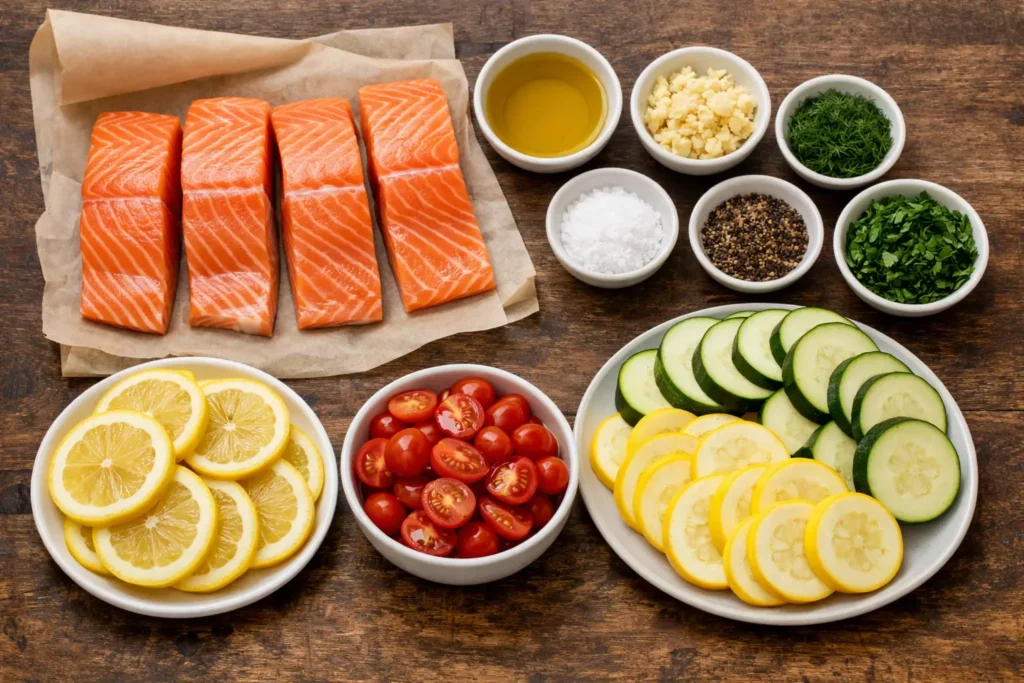
First of all, ensure your salmon is fresh and of good quality. Meanwhile, prepare your vegetables by slicing them thinly so they’ll cook at the same rate as the fish.
Step-by-Step Instructions
To begin with, preparing salmon en papillote is surprisingly simple. Here’s how to create this impressive dish:
1. Preheat your oven to 400°F (200°C).
2. Cut four large pieces of parchment paper, about 12×16 inches each.
3. Fold each piece in half to create a crease, then open flat again.
4. Place one salmon fillet on one side of the crease on each piece of parchment.
5. Season each fillet with salt, pepper, and a drizzle of olive oil.
6. Distribute the minced garlic evenly over each piece of salmon.
7. Arrange lemon slices, cherry tomatoes, zucchini, and yellow squash around and on top of each fillet.
8. Sprinkle the fresh herbs over each portion.
9. Fold the parchment over the salmon and crimp the edges tightly to create a sealed packet.
10. Place the packets on a baking sheet and bake for 12-15 minutes.
The salmon is cooked when it flakes easily with a fork. However, be careful when opening the packets as hot steam will escape.
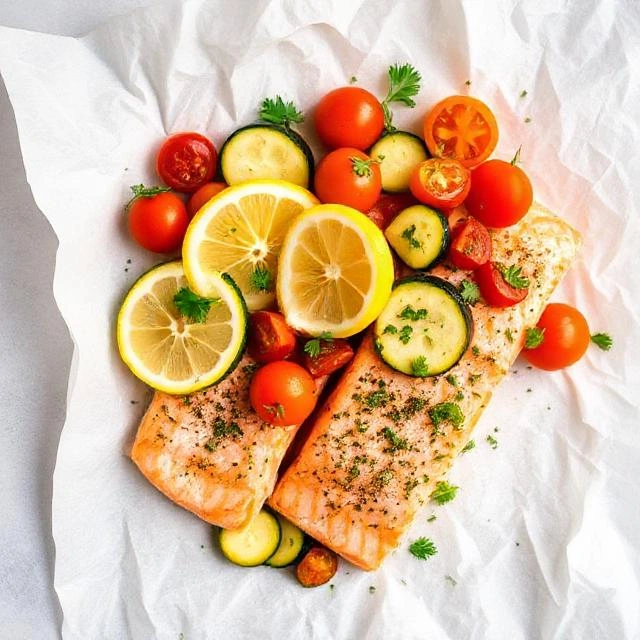
Serving Suggestions for Salmon en Papillote
Above all, one of the most appealing aspects of salmon en papillote is its presentation. For instance, you can serve the salmon directly in its parchment packet, allowing each diner to open their own fragrant envelope at the table.
This elegant dish pairs beautifully with:
- Steamed rice or quinoa
- Roasted potatoes
- A fresh green salad
- Crusty bread to soak up the flavorful juices
If you’re looking for another impressive main course option for special occasions, you might want to try our herb crusted rack of lamb recipe, which uses similar aromatic herbs but creates a completely different flavor profile.
Variations on Classic Salmon en Papillote
Although the classic salmon en papillote recipe is delicious on its own, there are countless ways to customize it:
Mediterranean Salmon en Papillote
Add olives, capers, sun-dried tomatoes, and a sprinkle of feta cheese just before serving.
Asian-Inspired Salmon en Papillote
Use soy sauce, ginger, scallions, and a touch of sesame oil instead of the herbs. Serve with steamed bok choy.
Spicy Salmon en Papillote
Add sliced jalapeños, cumin, and cilantro for a dish with some heat.
Health Benefits of Salmon en Papillote
Not only is salmon en papillote delicious, but it’s also packed with health benefits. Salmon is rich in omega-3 fatty acids, which support heart health and reduce inflammation. In addition, this method of cooking preserves these healthy fats better than high-heat methods like grilling or broiling.
Besides, when you prepare salmon en papillote with an abundance of vegetables, you’re creating a complete, nutrient-dense meal that’s:
- High in protein
- Low in unhealthy fats
- Rich in vitamins and minerals
- Naturally gluten-free
Troubleshooting Your Salmon en Papillote
Despite the simplicity of this cooking method, there are a few common issues you might encounter:
- Undercooked salmon: If your salmon isn’t fully cooked after 15 minutes, reseal the packet and return it to the oven for an additional 2-3 minutes.
- Leaking packets: Ensure you’ve crimped the edges of your parchment paper tightly to create a good seal.
- Overcooked vegetables: Cut harder vegetables like carrots into thinner slices so they cook at the same rate as the fish.
Make-Ahead Tips for Salmon en Papillote
Consequently, if you’re planning a dinner party or want to prep meals ahead of time, salmon en papillote is an excellent choice. You can assemble the packets up to 4 hours before cooking and keep them refrigerated. Just before your guests arrive, pop them in the oven for a stress-free main course.
Why You’ll Love This Salmon en Papillote Recipe
Obviously, the convenience of minimal cleanup is a huge benefit of cooking salmon en papillote. But there’s so much more to love about this method:
- It’s nearly impossible to overcook the salmon
- The presentation impresses dinner guests
- You can customize each packet for different preferences
- It’s a complete meal in one package
Conclusion
Salmon en papillote is the perfect combination of elegant and effortless cooking. In conclusion, whether you’re a novice cook or an experienced chef, this technique delivers consistently delicious results with minimal effort. The parchment packet creates a perfect environment for the salmon to cook gently in its own juices, resulting in a moist, flavorful dish every time.
Finally, once you master this basic salmon en papillote recipe, you’ll find yourself returning to it again and again, experimenting with different seasonings and vegetables. It truly is a foolproof method for creating a healthy, impressive dinner with minimal fuss.
Easy Salmon en Papillote Recipe for a Healthy Dinner
Description
Salmon en papillote is an easy French cooking method that seals salmon with herbs, citrus, and vegetables in parchment, creating tender, flavorful fish with minimal cleanup and perfectly moist results.
Ingredients:


Instructions
Prepare the Oven and Parchment
Set Up for Baking
Preheat your oven to 400°F (200°C). Cut four large sheets of parchment paper, fold each in half, then open them flat on your work surface.
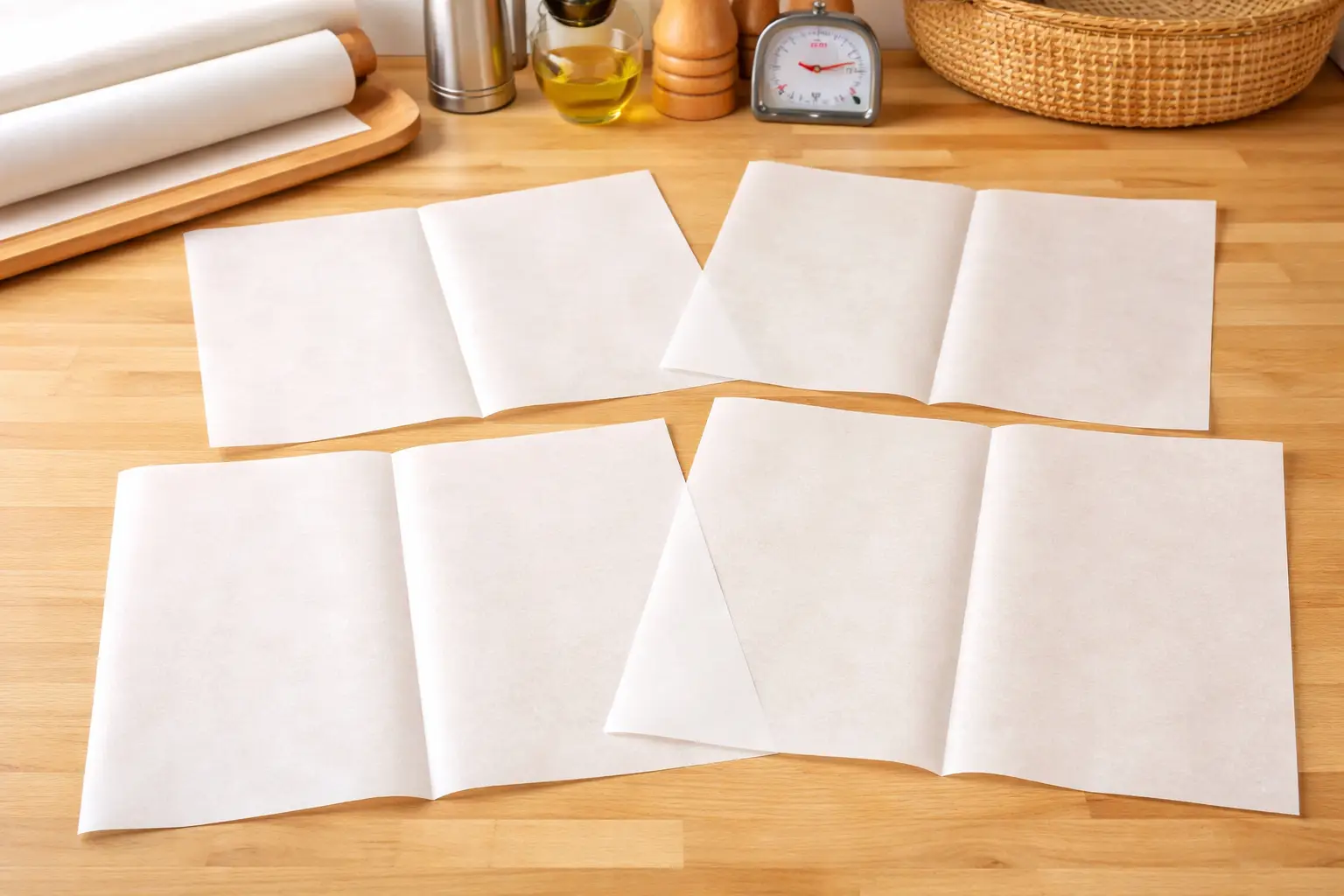 Folding first helps create an easy guide for sealing the packets later.
Arrange the Salmon
Build the Base Layer
Place one salmon fillet on one side of each parchment sheet. Season with salt and pepper, then drizzle lightly with olive oil.
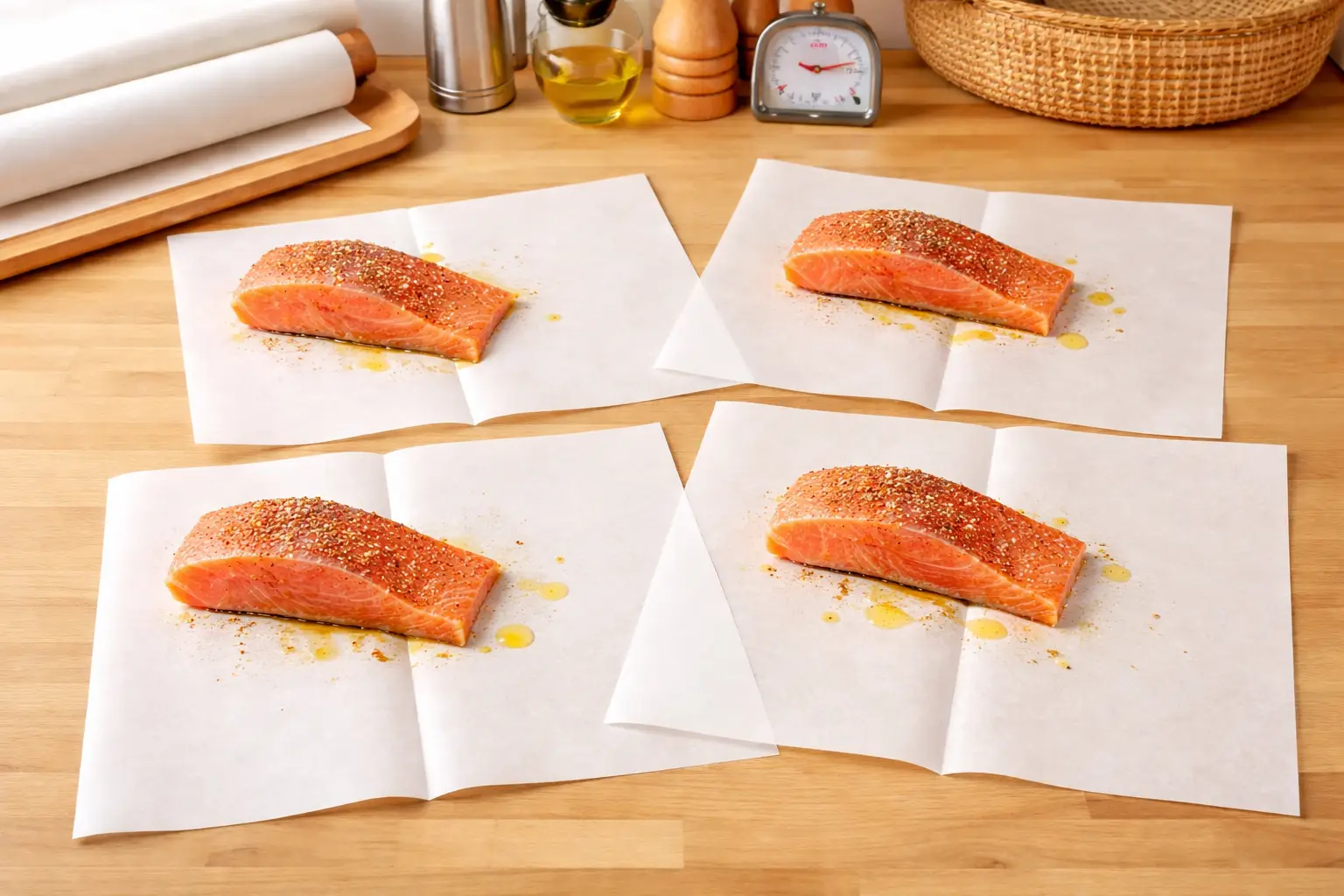 Keep the fillet slightly off the fold line so the packet seals properly.
Add Aromatics and Vegetables
Layer for Flavor
Top each fillet with minced garlic, cherry tomatoes, zucchini, yellow squash, fresh herbs, and lemon slices.
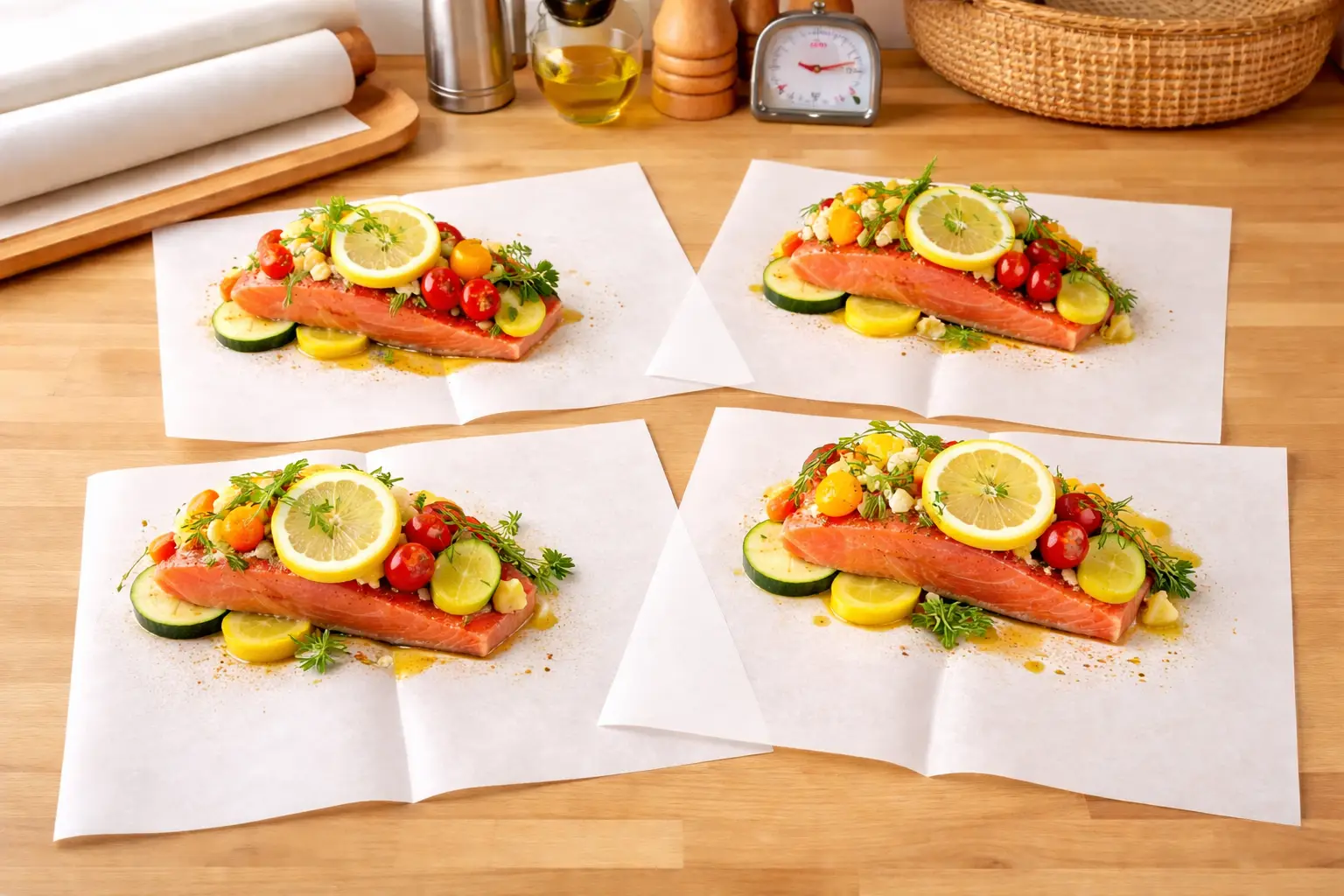 Slice vegetables thinly so they cook at the same speed as the salmon.
Seal the Papillote Packets
Create a Tight Steam Seal
Fold the parchment over the salmon and crimp the edges tightly, forming sealed half-moon packets. Place them on a baking sheet.
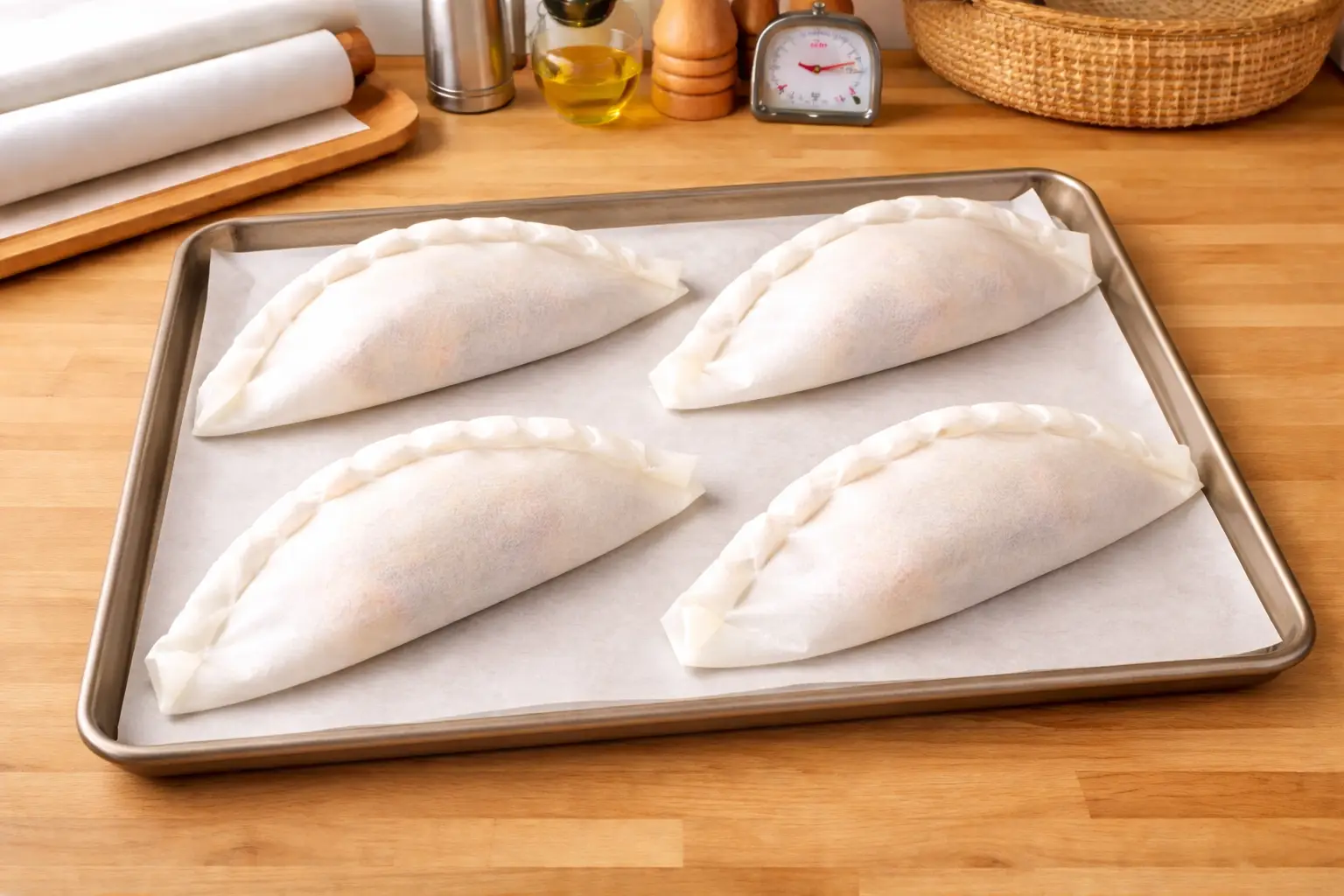 A tight seal traps steam and keeps the fish moist.
Bake Until Tender
Cook the Salmon
Bake for 12–15 minutes, or until the salmon flakes easily with a fork.
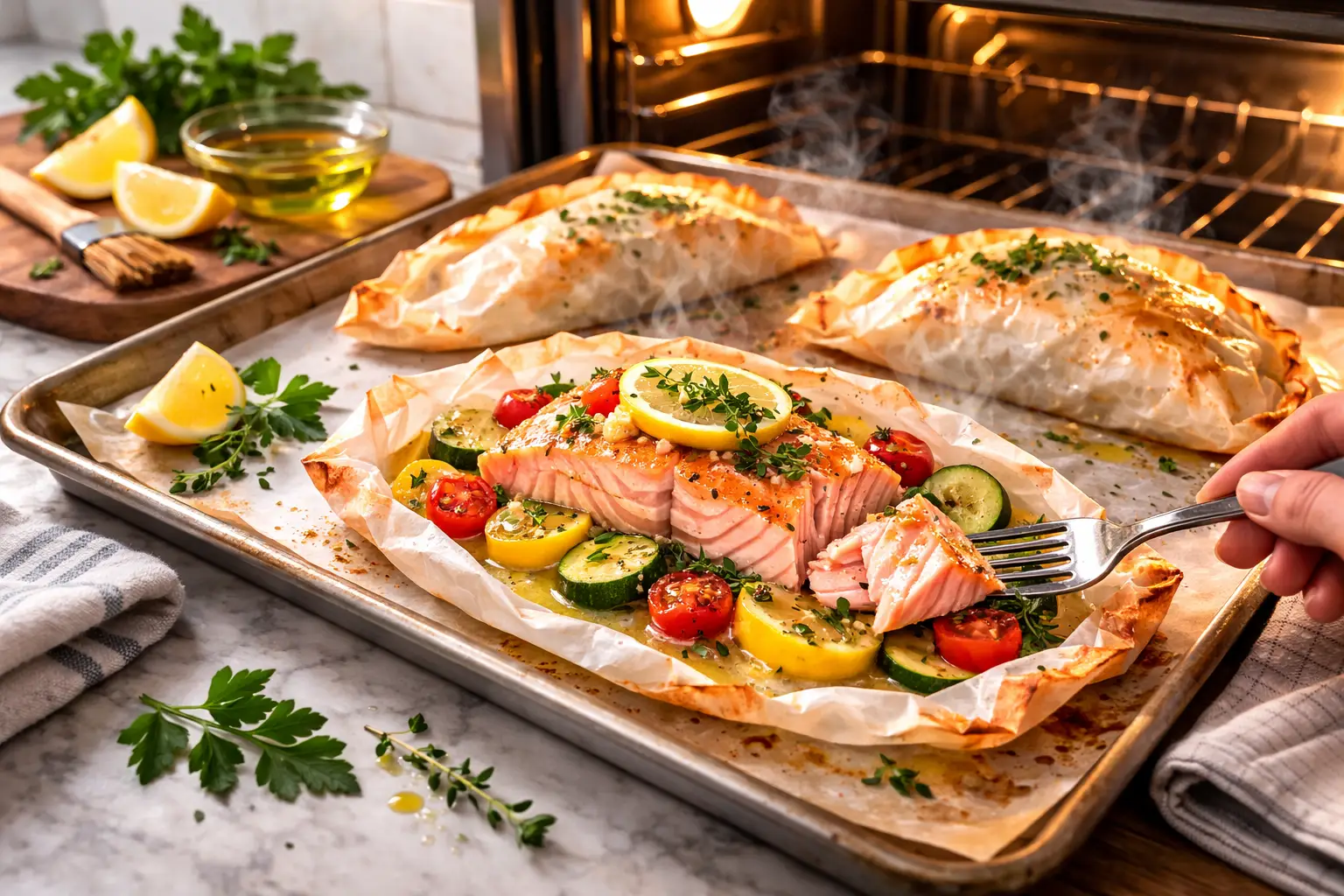 Thicker fillets may need an extra 1–2 minutes.
Serve and Enjoy
Finish at the Table
Serve immediately and let each person open their own parchment packet for a fresh, aromatic presentation.
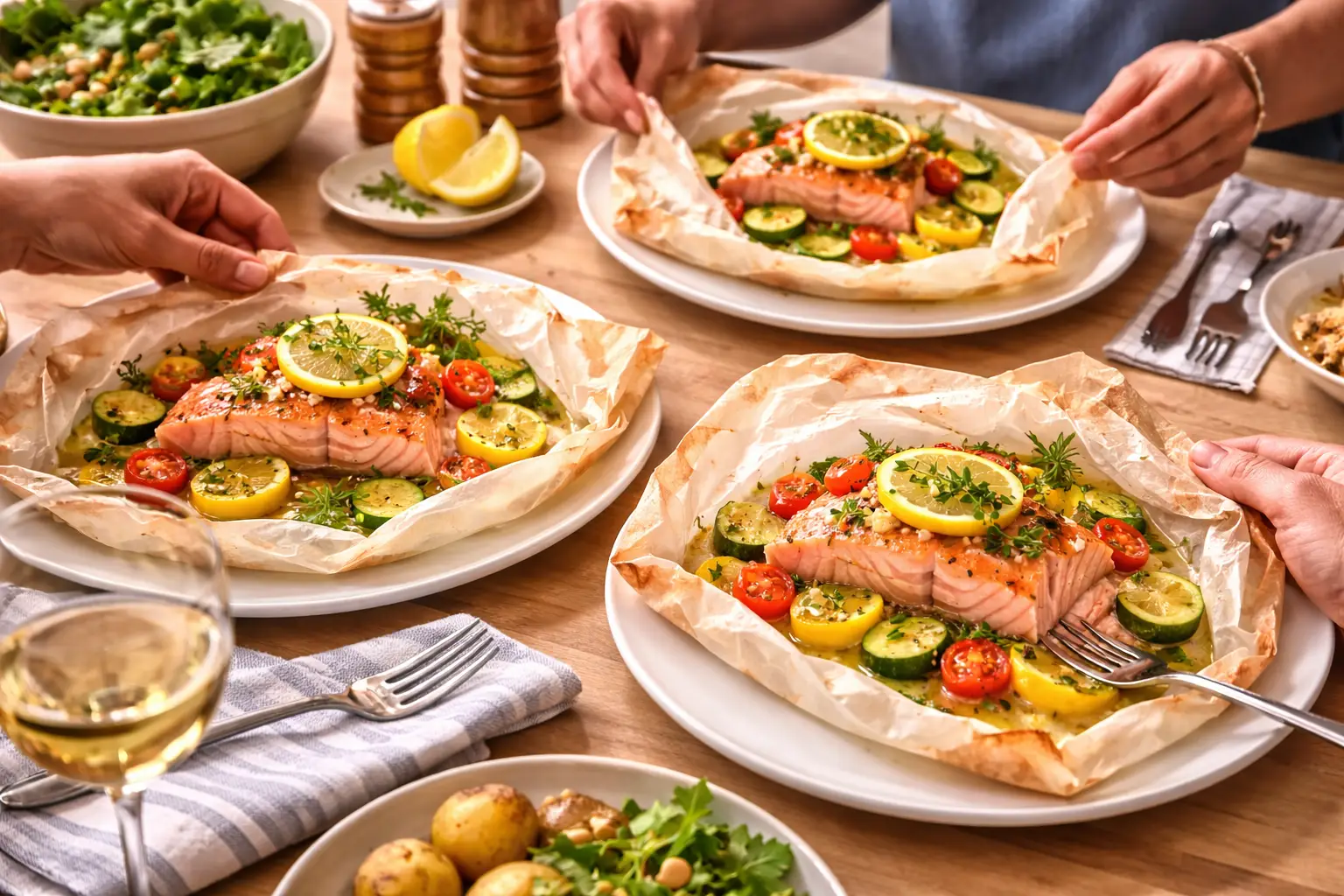 Garnish with extra fresh dill or parsley if desired.

Nutrition Facts
Servings 4
- Amount Per Serving
- Calories 320kcal
- % Daily Value *
- Total Fat 18g28%
- Total Carbohydrate 8g3%
- Dietary Fiber 2g8%
- Sugars 3g
- Protein 34g68%
- Vitamin C 22 mg
- Calcium 40 mg
- Iron 1 mg
* Percent Daily Values are based on a 2,000 calorie diet. Your daily value may be higher or lower depending on your calorie needs.