

Introduction
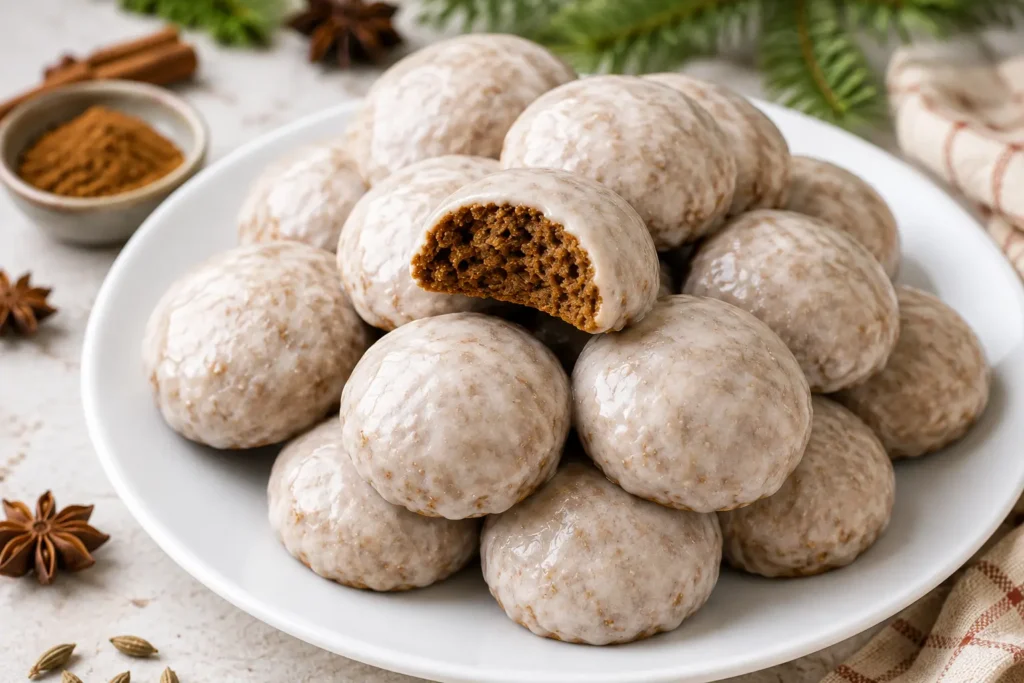
Have you ever bitten into a perfectly spiced cookie that instantly transports you to a European Christmas market? The German Pfeffernusse recipe creates exactly that experience! These small, round spice cookies have delighted generations with their unique blend of warm spices and sweet glaze. Moreover, they’ve become a holiday tradition in many households around the world, not just in Germany.
I first discovered Pfeffernusse when my German neighbor shared her family’s recipe with me years ago. Since then, I’ve tweaked and perfected this Pfeffernusse recipe to create the version I’m sharing with you today. Therefore, you can experience these delightful treats without booking a flight to Germany!
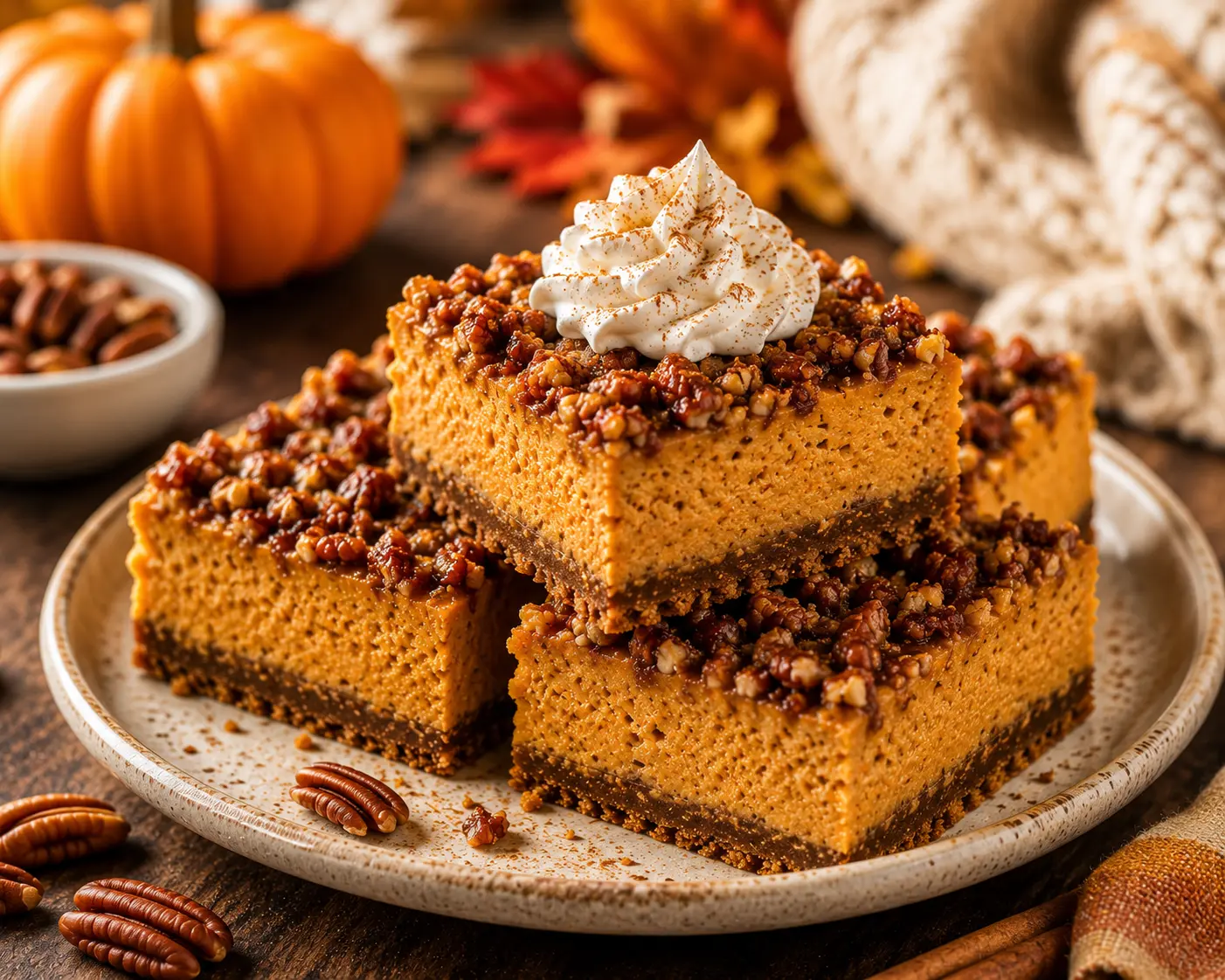
If you enjoy traditional holiday baking, you may also love our Easy Pumpkin Pecan Cheesecake Bars, another festive dessert perfect for Christmas gatherings.
What Are Pfeffernusse Cookies?
Pfeffernusse (pronounced “fef-er-noos-eh”) translates to “pepper nuts” in German. However, don’t let the name fool you! While these cookies do contain a hint of pepper, they’re actually sweet treats featuring a wonderful blend of holiday spices. In addition, their small, round shape resembles nuts, explaining the second part of their name.
Traditionally, Germans serve Pfeffernusse during the Christmas season, particularly around St. Nicholas Day (December 6th). Furthermore, these cookies improve with age, making them perfect for holiday baking that you can prepare well in advance.
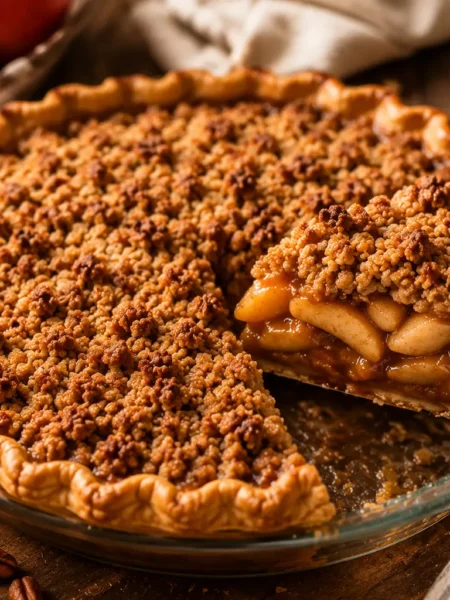
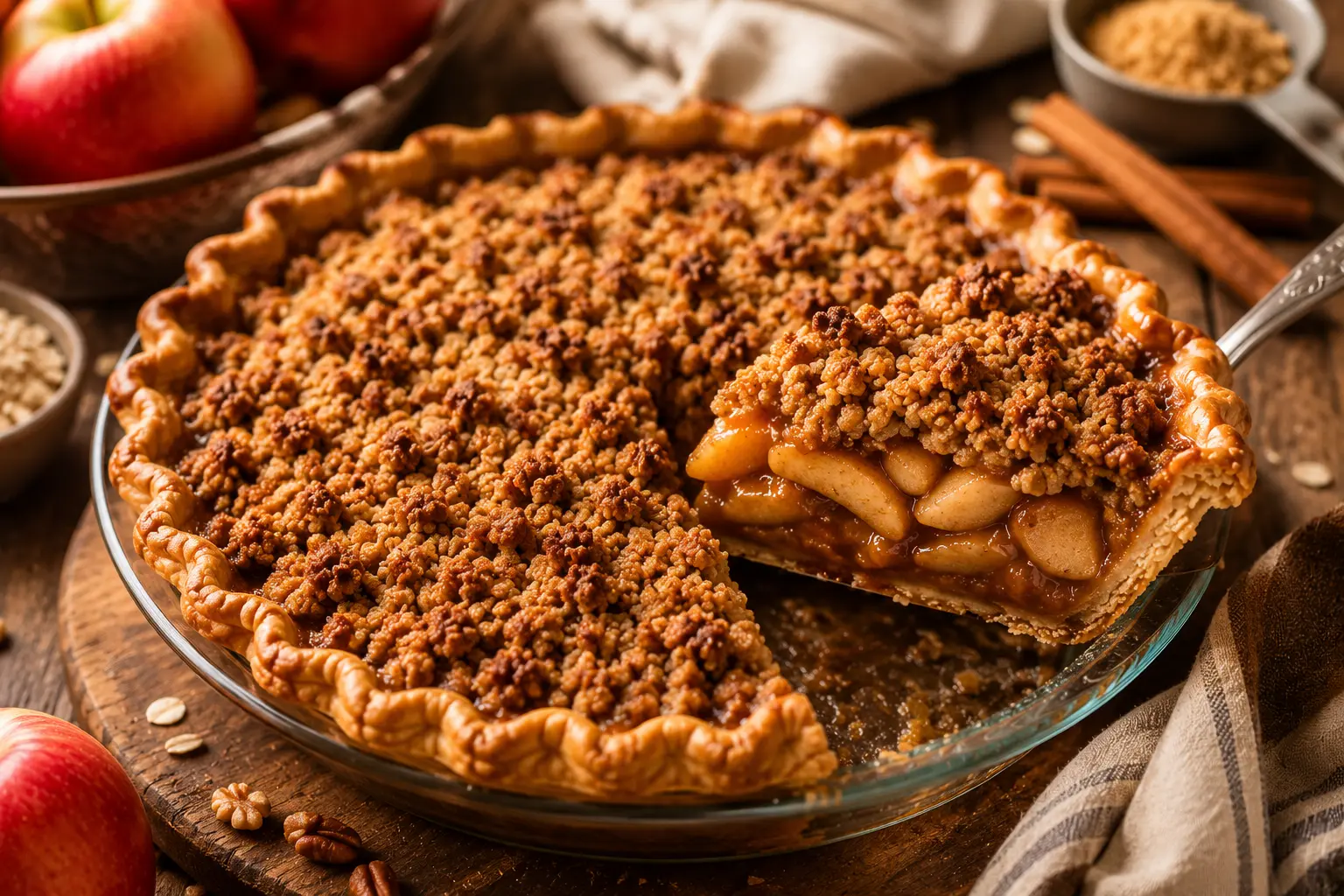
For another classic cold-weather dessert, try this Best Ever Apple Crumble Pie Recipe, perfect for cozy family evenings.
The History Behind Pfeffernusse
First of all, the Pfeffernusse recipe dates back to the 18th century in Northern Europe. Originally, these treats were associated with the Feast of Sinterklaas in the Netherlands, but then they spread throughout Germany and Scandinavia. As a result, different regions developed their own variations of the classic Pfeffernusse recipe.
Interestingly, early versions contained more pepper than modern recipes, as pepper was once considered a luxury spice. Over time, bakers adjusted the Pfeffernusse recipe to feature a more balanced spice profile that appealed to broader tastes.
Ingredients for Classic Pfeffernusse
To begin with, gathering the proper ingredients ensures your Pfeffernusse recipe will yield authentic results. Here’s what you’ll need:
For the Cookies:
- 3/4 cup molasses
- 1/2 cup butter
- 2 large eggs
- 4 cups all-purpose flour
- 3/4 cup brown sugar, packed
- 2 teaspoons ground cinnamon
- 1 1/2 teaspoons baking soda
- 1 teaspoon ground cardamom
- 1 teaspoon ground cloves
- 1 teaspoon ground ginger
- 1 teaspoon ground nutmeg
- 1/2 teaspoon ground allspice
- 1/2 teaspoon freshly ground black pepper
- 1/4 teaspoon salt
- 2 tablespoons anise extract (or 1 tablespoon anise seeds)
For the Glaze:
- 2 cups powdered sugar
- 3-4 tablespoons water or milk
- 1 teaspoon vanilla extract
Step-by-Step German Pfeffernusse Recipe
Now, let’s break down this Pfeffernusse recipe into manageable steps:
Preparing the Dough
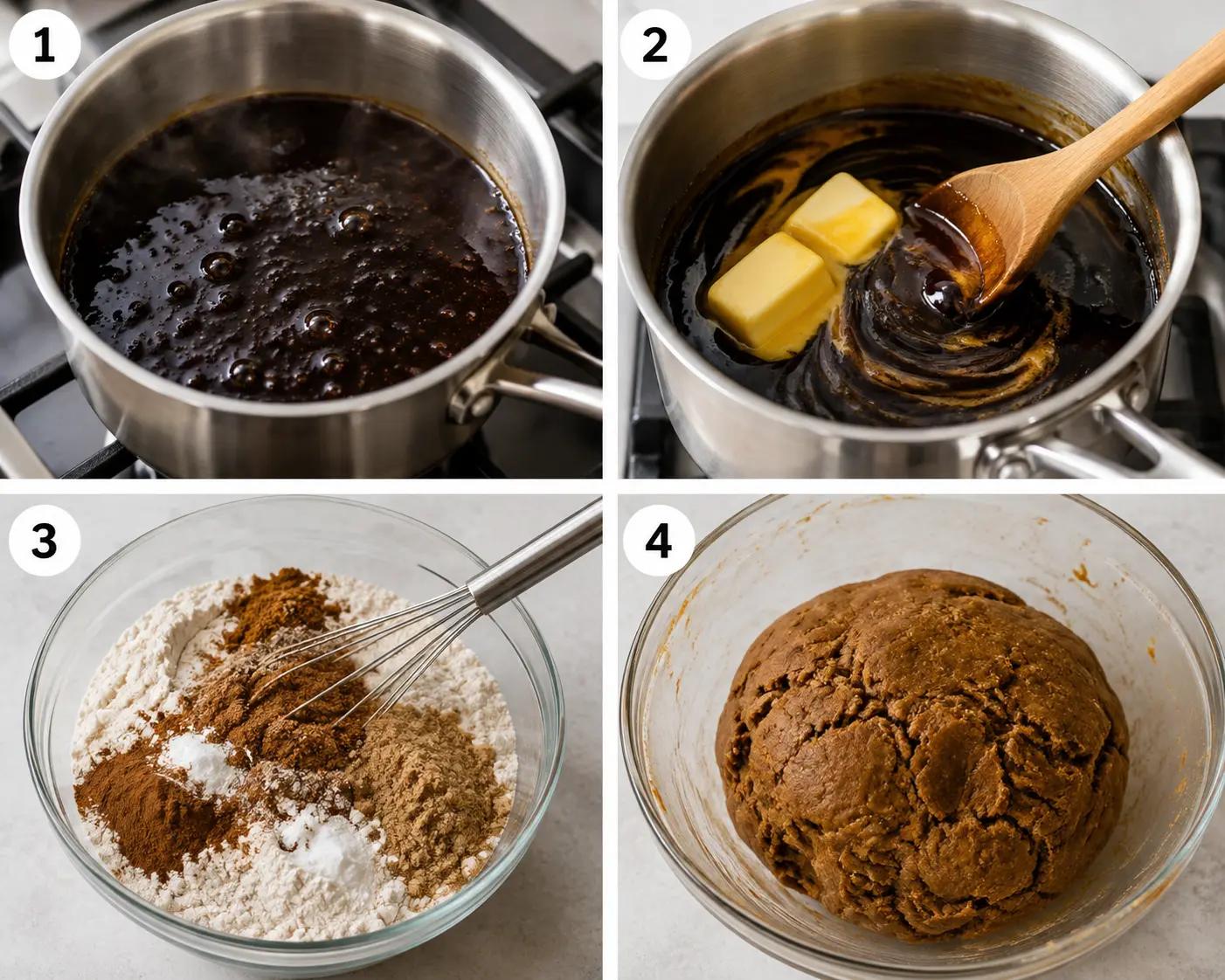
- First, in a small saucepan, heat the molasses until it just begins to simmer, then remove from heat.
- After that, add butter to the hot molasses and stir until completely melted.
- Subsequently, allow this mixture to cool to room temperature.
- Meanwhile, in a large bowl, whisk together flour, brown sugar, all spices, baking soda, and salt.
- When the molasses mixture has cooled, whisk in the eggs and anise extract.
- Then, gradually add the wet ingredients to the dry ingredients, stirring until well combined.
- As a result, you’ll have a stiff dough that might be slightly sticky.
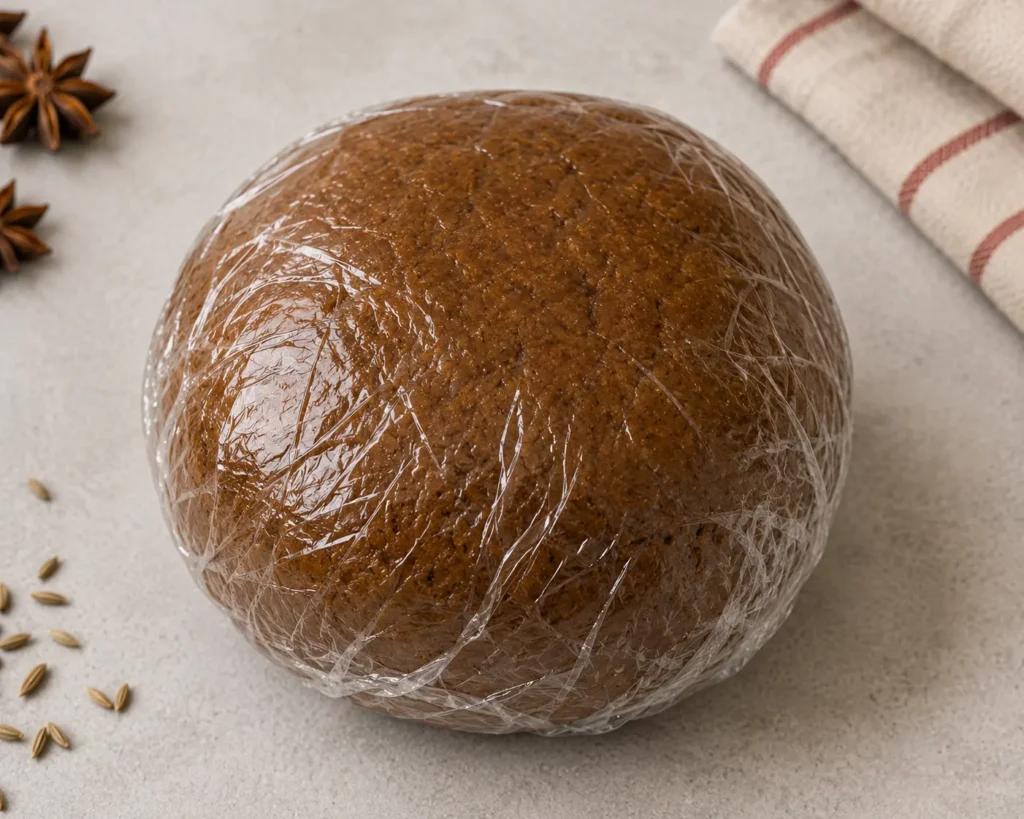
- Finally, cover the dough with plastic wrap and refrigerate for at least 2 hours or overnight.
Shaping and Baking
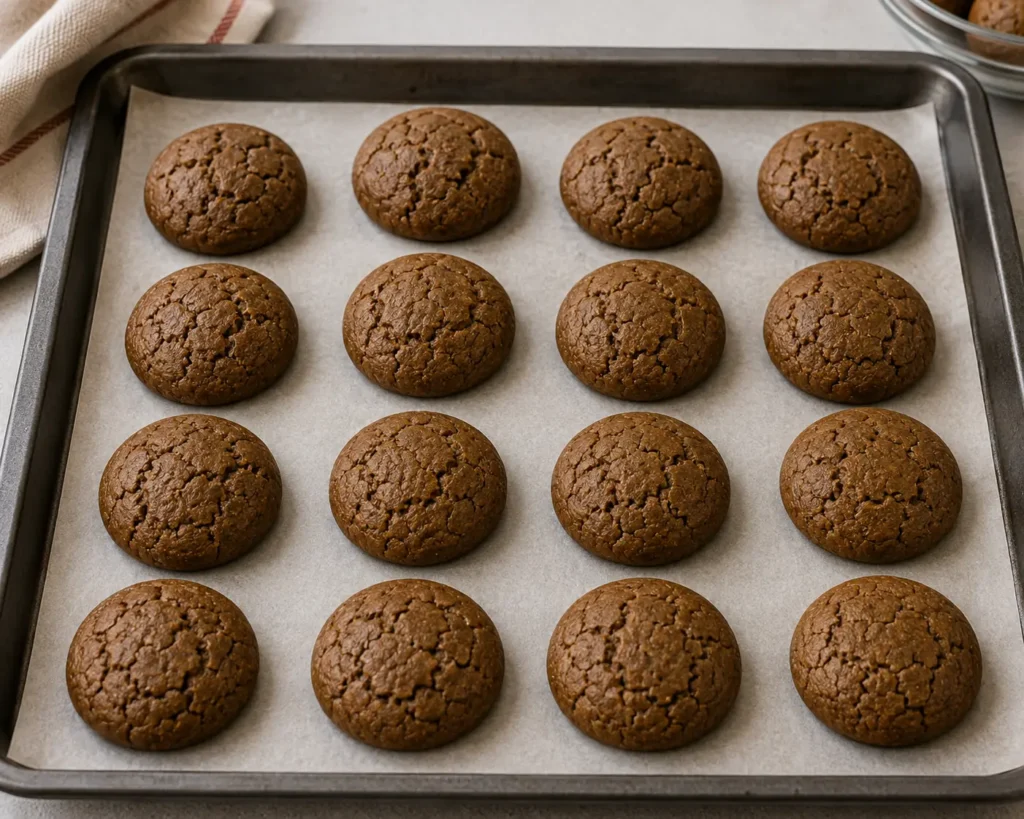
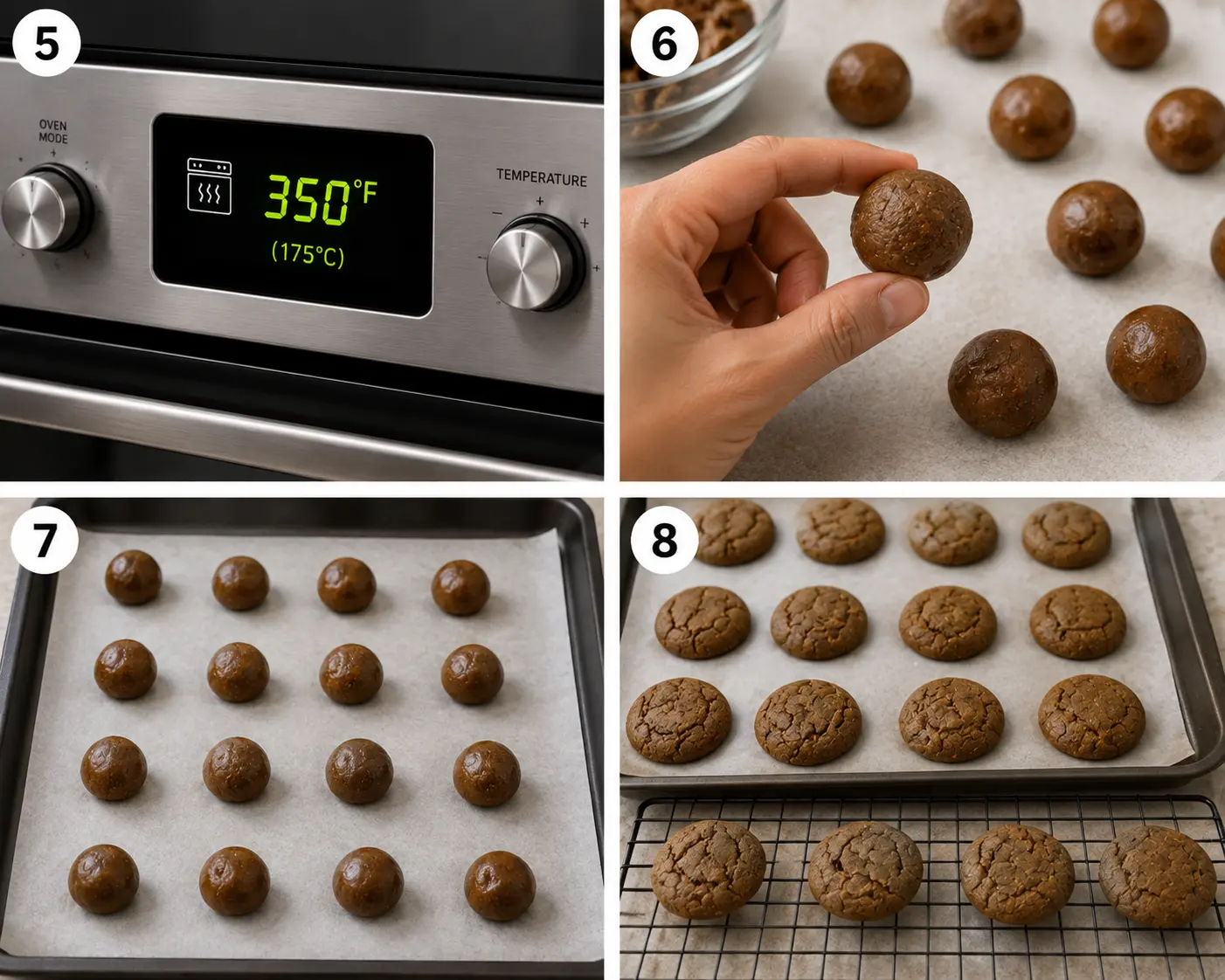
- To begin with, preheat your oven to 350°F (175°C) and line baking sheets with parchment paper.
- Next, remove the chilled dough from the refrigerator.
- Then, using your hands, roll the dough into small balls about 1 inch in diameter.
- Subsequently, place them on the prepared baking sheets, spacing them about 1 inch apart.
- Afterwards, bake for 12-15 minutes until the cookies are firm but not dark.
- Finally, transfer to a wire rack to cool completely before glazing.
Glazing the Pfeffernusse
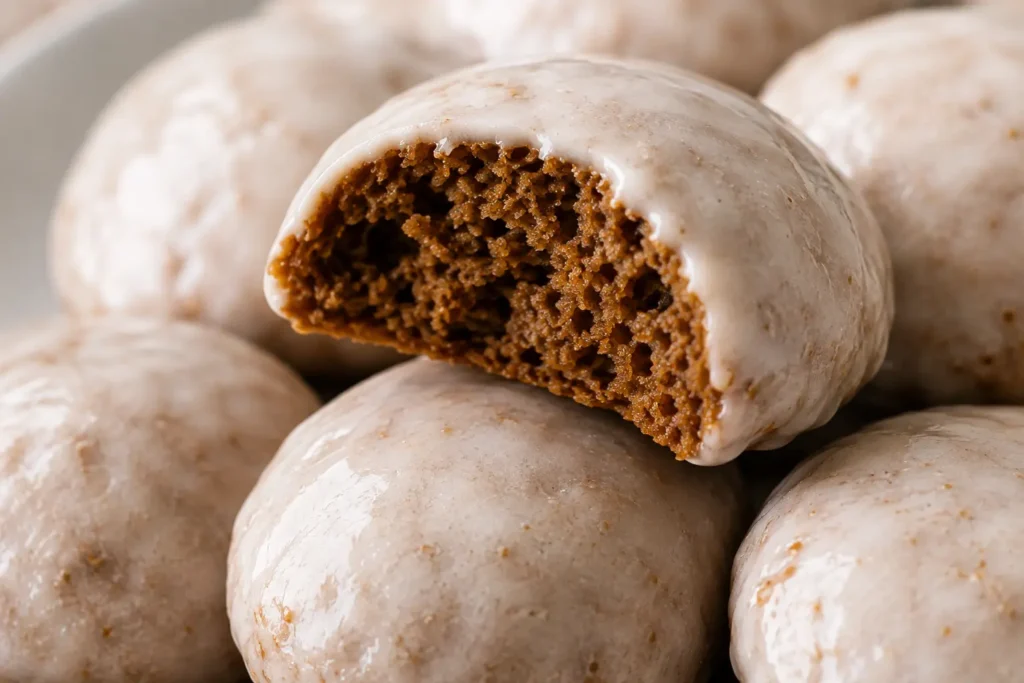
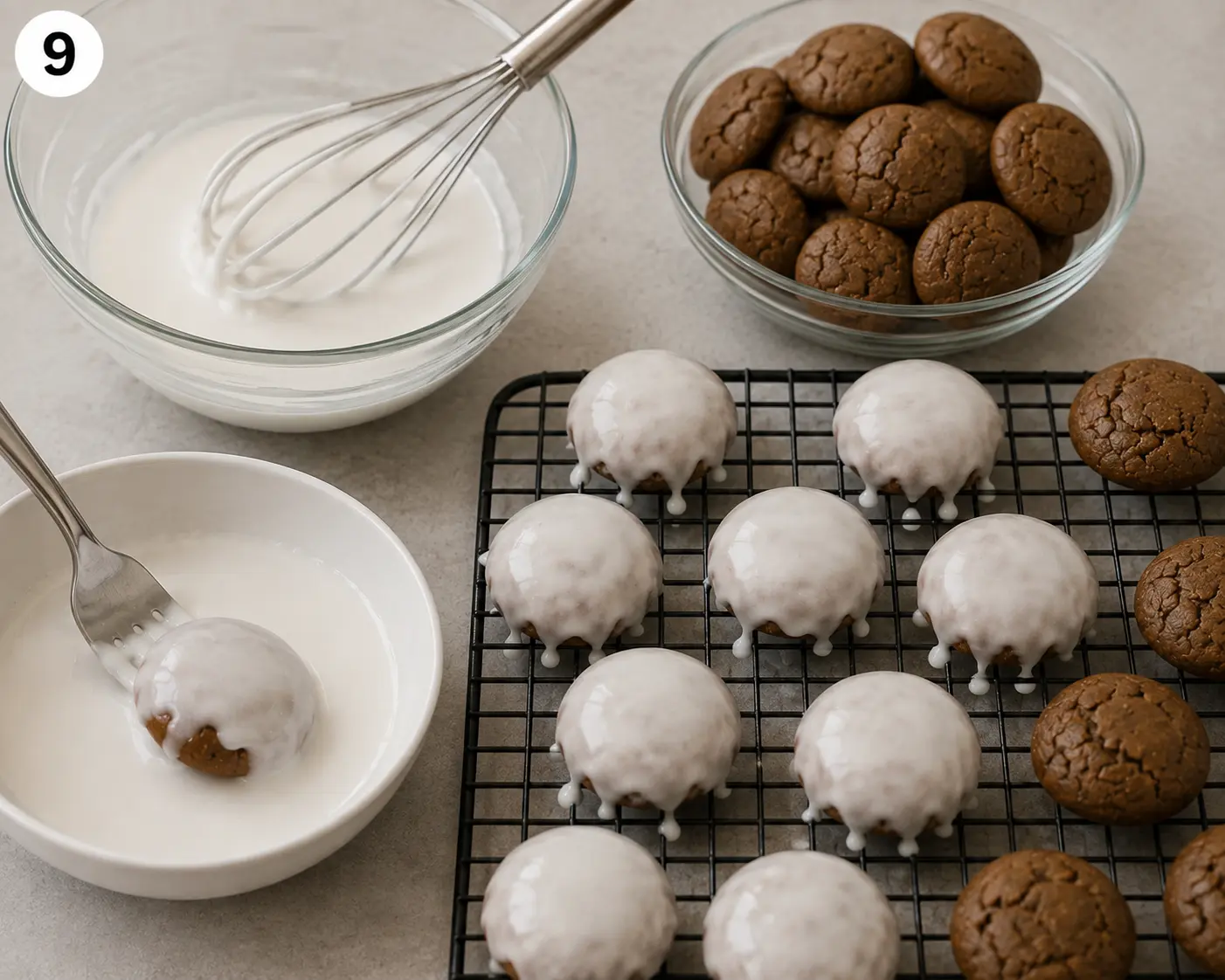
- To make the glaze, whisk together powdered sugar, water or milk, and vanilla until smooth.
- Then, dip the top of each cooled cookie into the glaze, or drizzle the glaze over the cookies.
- After that, place the cookies back on the wire rack to allow the glaze to set.
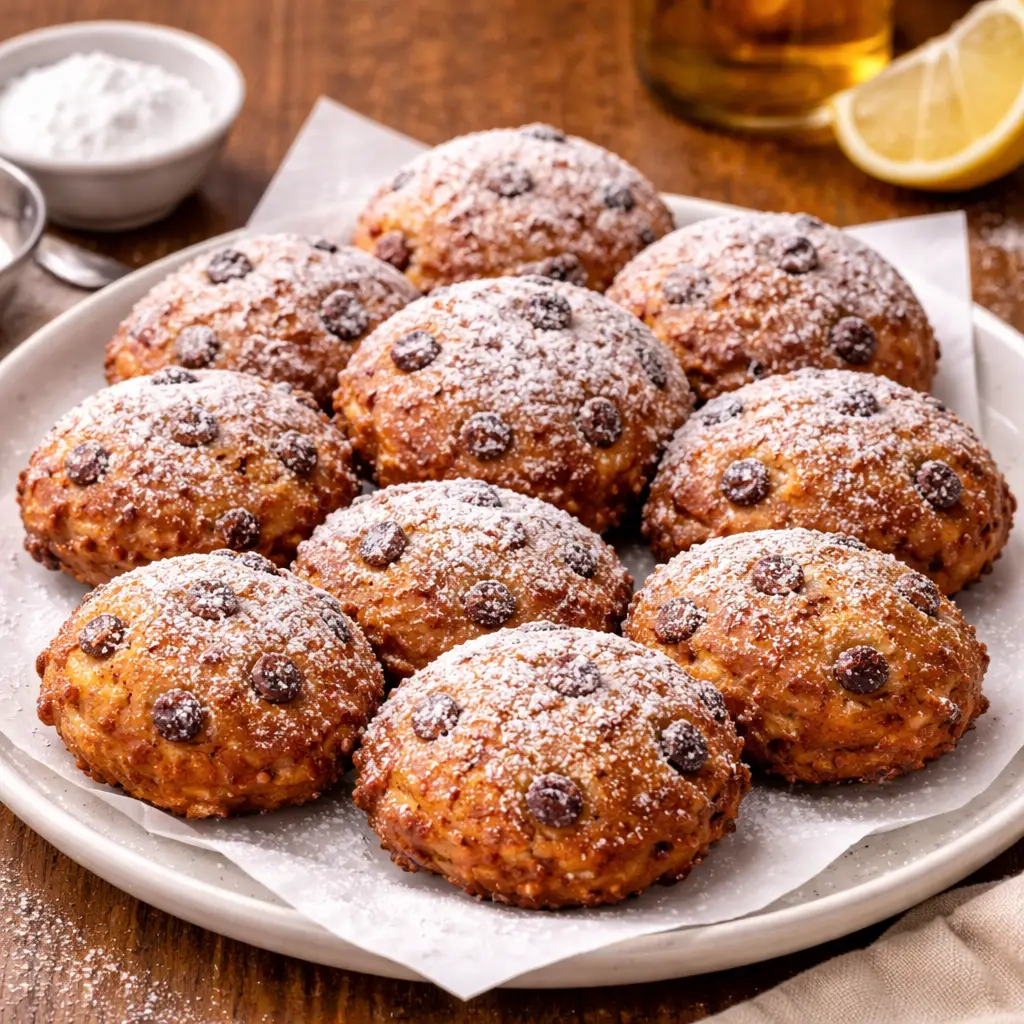
- Consequently, you’ll have beautifully glazed Pfeffernusse cookies ready to enjoy!
Tips for Perfect Pfeffernusse
For one thing, don’t rush the chilling process. Indeed, allowing the dough to rest helps the flavors meld and makes the dough easier to handle. Additionally, if your dough seems too sticky when rolling, dust your hands with a little flour.
Moreover, these cookies actually taste better after they’ve had time to soften. Therefore, store them in an airtight container with a slice of apple or a piece of bread for a few days before serving. As a result, the cookies will absorb moisture and develop that characteristic soft texture authentic Pfeffernusse are known for.
Furthermore, freshly ground spices will give your Pfeffernusse recipe the most vibrant flavor. If possible, consider grinding whole spices just before baking.
Variations on the Classic Pfeffernusse Recipe
While traditional Pfeffernusse are wonderful, you can personalize your Pfeffernusse recipe in several ways:
- For example, roll the glazed cookies in powdered sugar instead of just glazing the tops.
- Alternatively, add finely chopped candied citrus peel to the dough for a bright, zesty note.
- In some regions, bakers add a small amount of white pepper in addition to black pepper.
- Furthermore, you might experiment with different glazes, such as lemon or orange-flavored ones.
If you love experimenting with homemade cookies, don’t miss these Bakery-Style Miso Brown Butter Cookies for another unique baking experience.
Storing and Gifting Pfeffernusse
One advantage of this German Pfeffernusse recipe is that the German Pfeffernusse cookies keep exceptionally well. In fact, they can be stored in an airtight container at room temperature for up to 3 weeks. As mentioned before, they actually improve with age as they soften and the flavors deepen.
Because of this, German Pfeffernusse cookies make excellent holiday gifts. To create a beautiful presentation, place them in a decorative tin or clear gift bag tied with festive ribbon. Additionally, you might include a note explaining their German heritage and traditional place in holiday celebrations.
Why Pfeffernusse Cookies Stand the Test of Time
Despite being centuries old, this authentic Pfeffernusse recipe remains popular today for several good reasons. First of all, the complex spice blend creates a flavor profile that’s both familiar and intriguing. Secondly, their unique texture—initially crisp, then softening to a chewy delight—offers a satisfying eating experience.
Furthermore, the tradition of baking these cookies connects us to generations past. When we create recipes with such deep cultural roots, we participate in preserving heritage and passing down traditions.
Pfeffernusse Around the World
Interestingly, variations of Pfeffernusse exist in multiple countries. For instance, in the Netherlands, they’re called “pepernoten” and are smaller and crunchier. Meanwhile, Danish “pebernødder” are typically made without molasses or glaze.
However, the German Pfeffernusse recipe remains perhaps the most widely recognized version internationally. As a result, these spice cookies have become ambassadors of German baking traditions worldwide.
Perfect Pairings for Pfeffernusse
When serving these flavorful cookies, consider pairing them with complementary beverages. For example, a cup of strong coffee balances the sweetness perfectly. Alternatively, hot chocolate or spiced tea makes a delightful accompaniment.
For adults, a small glass of dessert wine or spiced rum can enhance the complex flavors in this Pfeffernusse recipe. In Germany, you might find them served alongside a warming cup of Glühwein (mulled wine).
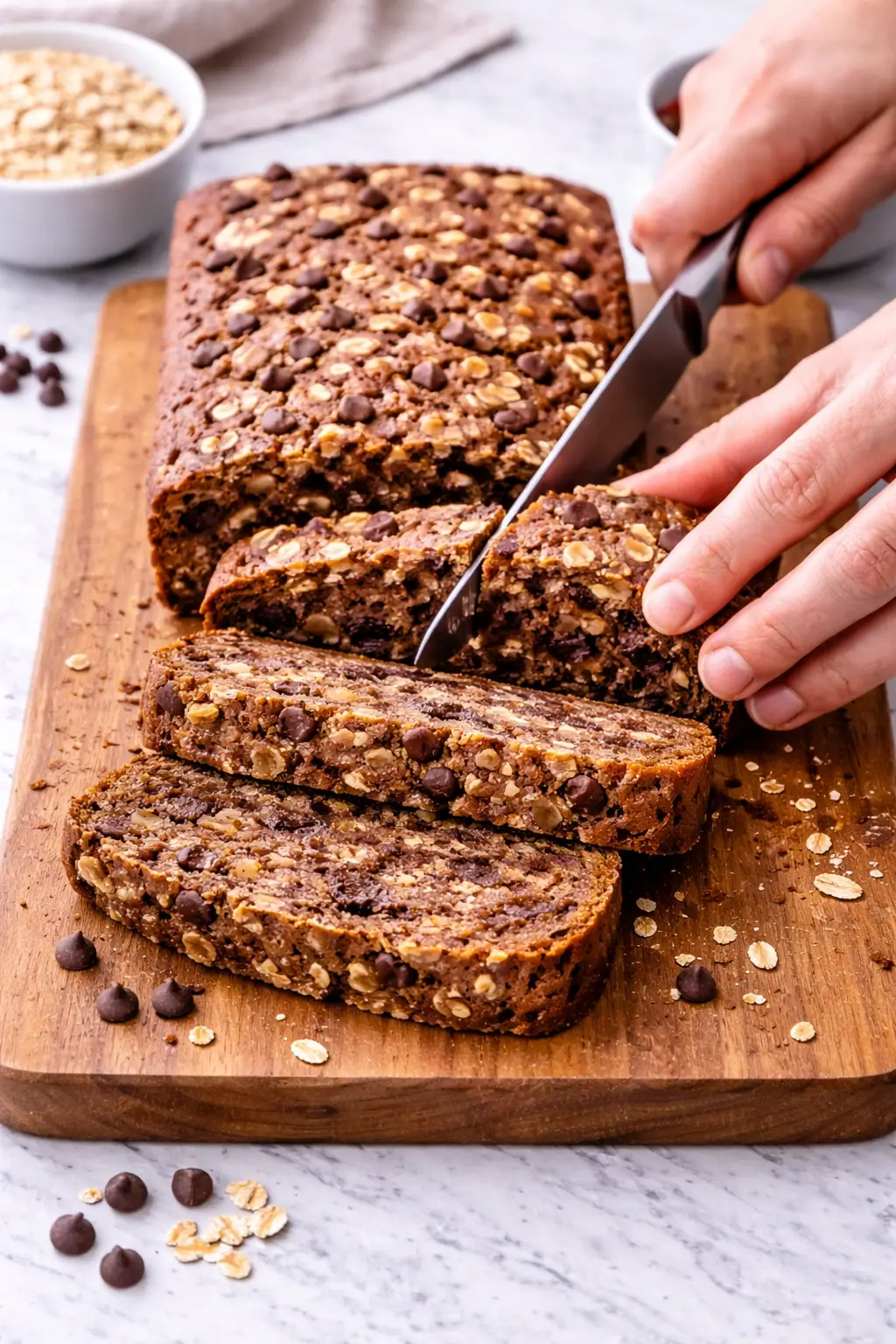
Serve these cookies with hot chocolate, coffee, or tea for a cozy treat. If you’re craving another comforting bake, try our Easy Chocolate Banana Oat Bread Recipe.
Conclusion
This classic German Pfeffernusse recipe offers a delightful way to bring international holiday traditions into your home. With their aromatic spices and sweet glaze, these cookies create an unforgettable taste experience that improves with each passing day.
To sum up, baking Pfeffernusse is more than just creating a delicious treat—it’s participating in a centuries-old tradition that connects us across generations and cultures. Therefore, I encourage you to make this recipe part of your holiday baking tradition!
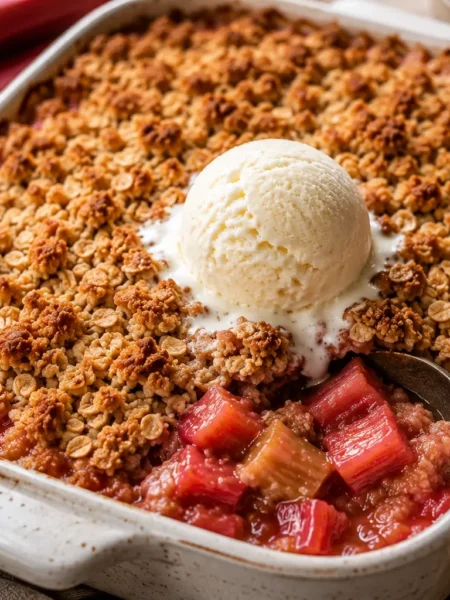
Looking for another cozy homemade dessert? Be sure to try our Old-Fashioned Oatmeal Rhubarb Crisp, a comforting baked treat that’s perfect for sharing with family and friends.
Finally, remember that the best part of baking is sharing. So, whether you keep these spicy delights for your family or gift them to friends, these little “pepper nuts” will surely bring joy to all who taste them.
Classic German Pfeffernusse Recipe You’ll Love
Description
These German Pfeffernusse are warmly spiced holiday cookies with cinnamon, cloves, nutmeg, and pepper, finished with a sweet glaze for an authentic Christmas treat.
Ingredients:



Instructions
🥣 Preparing the Dough
-
🍯 Heat the Molasses & Make the Dough
Heat the molasses until it just begins to simmer, stir in the butter until melted, then cool. Whisk together the dry ingredients, combine with the molasses mixture, eggs, and anise extract, then mix into a stiff dough. Cover and chill for at least 2 hours.
 Chilling the dough makes it easier to shape and helps the cookies keep their round shape while baking.
🔥 Shaping & Baking
-
🍪 Roll & Bake the Cookies
Preheat the oven to 350°F (175°C). Roll the chilled dough into 1-inch balls and place them on a parchment-lined baking sheet about 1 inch apart. Bake for 12–15 minutes, then transfer to a wire rack to cool completely.
 The cookies should be firm but not browned to keep their traditional soft, chewy interior.
🍶 Glazing the Pfeffernusse
-
❄️ Coat the Cookies with Sweet Glaze
Whisk together the powdered sugar, vanilla, and water (or milk) until smooth. Dip or drizzle the glaze over the completely cooled cookies, then let them rest on a wire rack until the glaze hardens.
 Make sure the cookies are completely cool before glazing, otherwise the glaze may melt and slide off.
🍪 Serving
-
🍽️ Set and Serve
Once the glazed 'Pfeffernusse' cookies are completely dry, serve immediately or store in an airtight container.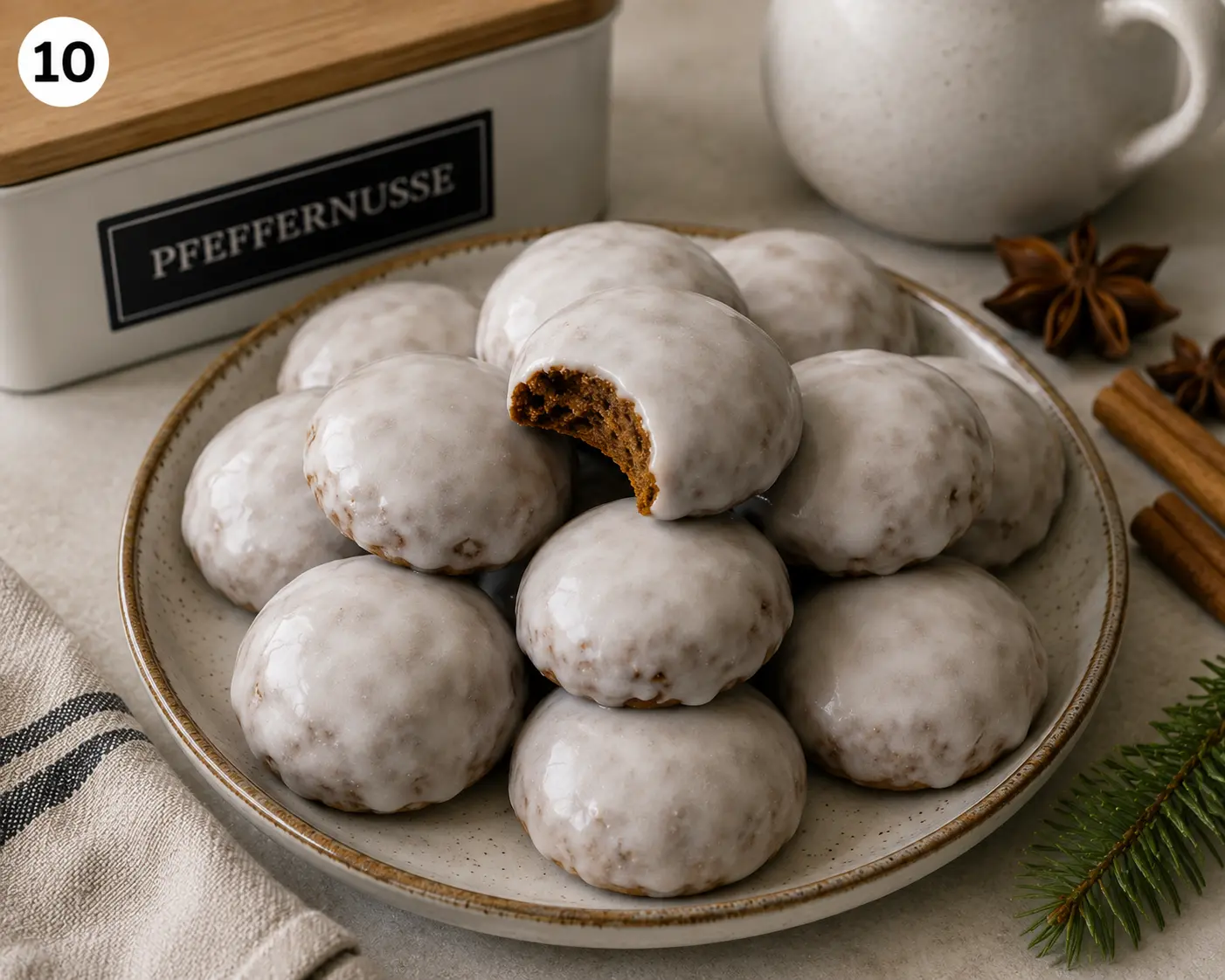 Pfeffernusse often develop an even richer spiced flavor after resting for a day or two.

Nutrition Facts
Servings 48
- Amount Per Serving
- Calories 108kcal
- % Daily Value *
- Total Fat 3.8g6%
- Total Carbohydrate 17.6g6%
- Dietary Fiber 0.6g3%
- Sugars 10.5g
- Protein 1.7g4%
- Calcium 14 mg
- Iron 1.1 mg
* Percent Daily Values are based on a 2,000 calorie diet. Your daily value may be higher or lower depending on your calorie needs.
Note
- Cookies improve with age and will soften over time
- Can be stored for up to 3 weeks in an airtight container
- Add a slice of apple or piece of bread to the container to help cookies soften faster